


Convenings
Learn, connect, and grow with thought leaders and peers at GIH meetings.
Webinars
Interact with leading experts and peers on issues that impact your work most.
Calendar
See all events in one place. Subscribe to the calendar to ensure you don't miss anything!
Annual Events
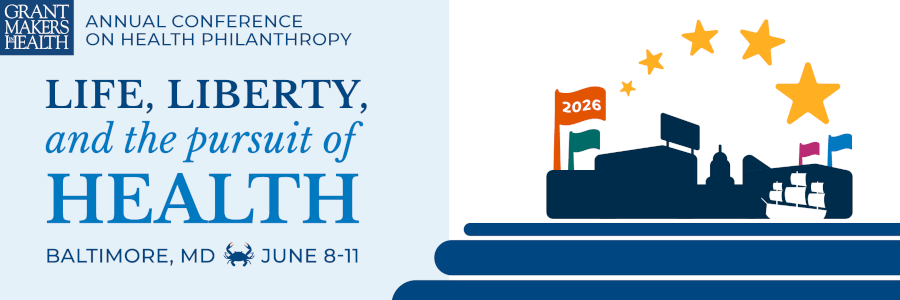
GIH Annual Conference
The GIH Annual Conference is the best place to meet up with the bright minds, seasoned experts, and innovative practitioners working in health philanthropy today.
Rural Health Philanthropy Partnership
Grantmakers In Health (GIH), the Federal Office of Rural Health Policy, the National Rural Health Association, and the Centers for Disease Control and Prevention’s Office of Rural Health co-host an annual convening welcoming foundations, federal entities, and other partners to discuss how our combined efforts might produce better health outcomes for rural communities.
Health Policy Exchange
Policy-engaged funders convene to share information on current issues, access to leading thinkers, and as a venue to make connections with grantmaking peers. We convene to educate, advocate, and collaborate to support the people, places, and things that are important to us.
Upcoming GIH Events
Leveraging Impact Investments to Address Affordable Housing
Foundations are well-positioned to leverage impact investments to address affordable housing shortages by deploying mission-aligned capital that finances the development, preservation, and expansion of affordable homes while generating financial returns that can be reinvested in future community needs. Colby Dailey of Multiplier Advisors will discuss how impact investments can generate both social impact and a financial return for foundations. Janisse Rosario Schoepp from the Health Foundation of South Florida and Sarah Lyman from Alliance Healthcare Foundation will discuss how their foundations are strategically deploying investments to increase access to affordable housing and opportunities for homeownership.
From National Data to Local Action: Improving Youth Mental Health
Improving youth mental health starts with strong data, but not just clinical measures. Understanding how young people are feeling means capturing what matters most to them: belonging, agency, support, and resilience.
Join this webinar to explore how Surgo Health’s nationally recognized Youth Mental Health Tracker is generating new, equity-focused insights into youth well-being and how Interact for Health −in partnership with the coalition Hopeful Empowered Youth (HEY!) and local funders −adapted that research to center local voices across the Cincinnati region.
Speakers will discuss how this collaboration is filling critical data gaps by going beyond traditional mental health indicators to measure holistic well-being across diverse populations, including Black, Hispanic, LGBTQ+, and economically disadvantaged youth. Attendees will hear directly from HEY! coalition youth leaders who were involved at every stage of the data process to ensure concepts, language, and priorities reflect real youth experiences. Hey! coalition leaders will also share how results will be used to shape mental health efforts in their community.
Supporting Community-Based Organizations in Social Health Care
Community-based organizations (CBOs) are increasingly recognized as essential partners in addressing the social drivers of health, including food access, housing stability, maternal health, and behavioral health. When Medicaid and Medicare provide coverage for social health services, CBOs may have new opportunities to participate in health care delivery systems. However, in order to be successful, these organizations may need additional support to navigate challenges related to credentialing, billing, compliance, and administrative capacity. This webinar will explore sustainable financing strategies for social health services, common challenges facing CBOs, and the ways in which the current policy environment will impact such Medicaid waivers. Speakers will discuss how philanthropy can help seed and strengthen the needed infrastructure through capacity building, technical assistance, and strategic investments.
CEO Working Group Webinar
Grantmakers In Health is pleased to convene the CEO Working Group to discuss challenges in our work and opportunities for collaboration as we move forward to achieve our health missions. These calls are open to GIH Funding Partner CEOs, Presidents, Executive Directors, or the highest-ranking health staff at multi-issue foundations. During these candid, confidential conversations, philanthropic leaders share information, swap strategies, raise concerns, and ask for one another’s advice. Reach out to Ann Rodgers to learn more.
2026 Rural Health Philanthropy Partnership Meeting
Grantmakers In Health (GIH), the Federal Office of Rural Health Policy, the National Rural Health Association, and the Centers for Disease Control and Prevention’s Office of Rural Health are excited to announce the 2026 Rural Health Philanthropy Partnership Meeting: September 23 – 25, 2026 at the Marriott Bethesda Downtown at Marriot HQ. Registration link, meeting agenda, and information about lodging will be shared at a later date. For general questions about the Rural Health Philanthropy Partnership (RHPP) Meeting, please contact us at ruralhealthphil@hrsa.gov. If you are interested in being on the planning committee for the RHPP meeting, please email Alexa Ofori at aofori@hrsa.gov by Friday, March 20.
CEO Working Group Webinar
Grantmakers In Health is pleased to convene the CEO Working Group to discuss challenges in our work and opportunities for collaboration as we move forward to achieve our health missions. These calls are open to GIH Funding Partner CEOs, Presidents, Executive Directors, or the highest-ranking health staff at multi-issue foundations. During these candid, confidential conversations, philanthropic leaders share information, swap strategies, raise concerns, and ask for one another’s advice. Reach out to Ann Rodgers to learn more.
Roundtable Discussion for Health Funders’ Policy Staff
A growing number of health funders employ staff whose responsibilities focus exclusively or predominantly on public policy engagement. Do you lead your organization’s policy or government affairs work? During our roundtable discussion we connected with peers, explored pressing issues, and shared experiences to engage communities in setting funders’ policy priorities. Between calls, members interact with one another in GIH’s online learning community for policy staff.
CEO Working Group Webinar
Grantmakers In Health is pleased to convene the CEO Working Group to discuss challenges in our work and opportunities for collaboration as we move forward to achieve our health missions. These calls are open to GIH Funding Partner CEOs, Presidents, Executive Directors, or the highest-ranking health staff at multi-issue foundations. During these candid, confidential conversations, philanthropic leaders share information, swap strategies, raise concerns, and ask for one another’s advice. Reach out to Ann Rodgers to learn more.
Past Events
Funding Partner staff and trustees may access resources from past events including video recordings, slides, agendas, and supplemental materials provided to participants.