Rural Health Transformation Program: Opportunities for Philanthropy
This GIH issue brief is a high-level analysis of major themes as identified from initiatives and strategies in state applications, reflecting the primary foci of each state’s Rural Health Transformation (RHT) program. Based on this analysis, we offer several recommendations for grantmaker investment and action in support of RHT initiatives and, ultimately, improving the health and well-being of rural communities.
Understanding Vaccine Access in a Shifting Landscape
This Grantmakers In Health (GIH) Issue Focus provides an overview of the current vaccine policy landscape and describes how health funders can respond to threats to vaccine access.
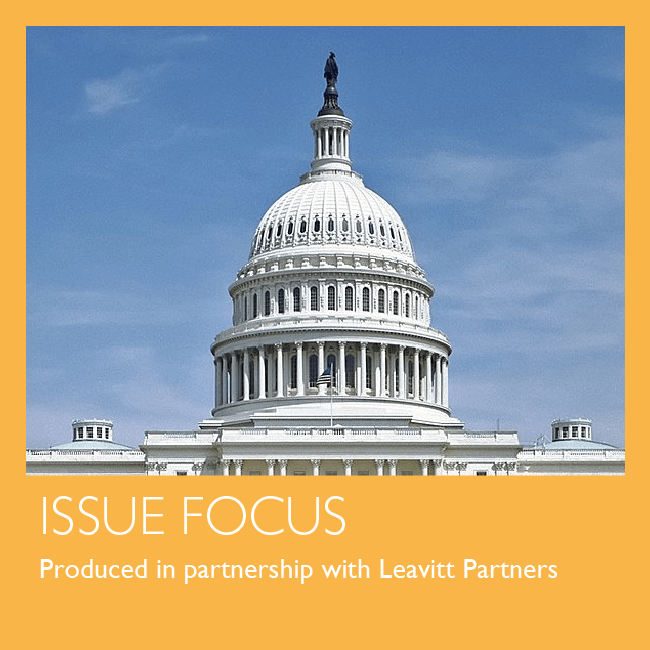
Overview of Potential Medicaid Changes in 2025 Budget Reconciliation Bill
Budget reconciliation is a legislative tool that can be used by the majority party in Congress to advance their agenda with only a simple majority in the Senate. With slim Republican majorities in both the House and Senate, reconciliation provides an opportunity to pass key components of President Trump’s agenda, such as defense and border security funding, tax cuts, and spending cuts, without Democrat votes.
Advancing Health and Creating Lasting Impact: MacKenzie Scott’s Grants to Health Foundations
In 2019, MacKenzie Scott announced that she was stepping into the world of philanthropy to give away her multi-billion-dollar fortune “until the safe is empty”. She has kept her word—to date, she has given away $16.5 billion. Her initial process for choosing which organizations would receive grants was shrouded in mystery. From 2019 to 2023, Scott used a process she termed “quiet research” to identify possible grantee organizations. The lucky organizations received a call from Scott’s consultants, who let them know they were receiving a grant for immediate use however they would like to spend it. In the Fall of 2022, Grantmakers In Health (GIH) became one of those grantee organizations, along with more than 20 health foundations. Two additional GIH Funding Partner organizations received gifts in 2020 and 2021, respectively.
Public Health Approaches to Firearm Violence Prevention
Firearm injuries are a serious public health problem, killing more than 47,000 Americans each year and becoming the leading cause of death for children and teens in the United States in 2020. Given the impact and complexity of this health crisis, Grantmakers in Health (GIH) hosted a first-ever preconference session focused on firearm violence in advance of the June 2023 GIH Annual Conference on Health Philanthropy. Session speakers briefed partners on the causes of gun violence and provided an opportunity for health funders to learn more about potential solutions through a public health lens. This Issue Brief provides highlights of the meeting’s proceedings and previews GIH’s plans to convene a funder learning collaborative on firearm violence prevention to continue the peer learning and sharing that began at the preconference session.
Civic Engagement Is a Social Determinant of Health
What is the civic health of the communities you serve? Are community members equitably engaged in democratic processes and civic life? How might increased levels of civic engagement influence the distribution of public sector resources, population health outcomes, and health inequities? Is it possible to imagine transformative changes in community health absent a meaningful shift in community power and civic participation?
Public Private Partnerships to Strengthen the Public Health Infrastructure
How strong is your organization’s relationship with local health departments in the communities you serve? Do you view governmental public health as an essential partner? How can you best increase and improve support for state and local public health departments? What types of investments are most likely to yield transformative change? As the future of public health hangs in the balance, philanthropic organizations must renew their commitment to governmental public health agencies and reimagine strategies for strengthening these partnerships.
Climate Change, Health, and Equity: Action Steps for Health Philanthropy
Climate change is one of the biggest health and equity issues of our time. The scale of climate change can be daunting, and some may think of the issue as the sole responsibility of federal, state, local, and tribal governments—however, philanthropy has an essential role to play.

Funder Strategies to Support Oral Health Care Access and Equity
Stark inequities in oral health care access and outcomes reflect the United States’ deepest societal divides and overarching social justice concerns. Health philanthropy is among the sectors aspiring to accelerate change and drive upstream solutions in a period of increasing vulnerability for communities heavily impacted by the downstream effects of oral health disparities.
COVID-19: Foundations Help Rural Communities Respond and Recover
The COVID-19 pandemic has exposed and exacerbated existing disparities in vulnerable rural communities, which place the 46 million Americans in rural geographies in a particularly precarious situation. In the spring of 2020, Grantmakers In Health reached out to several funders engaged in this work to better understand their perspectives on rural response and recovery and to share those examples with the broader field to assist funders as they determine future needs and strategies in rural areas.