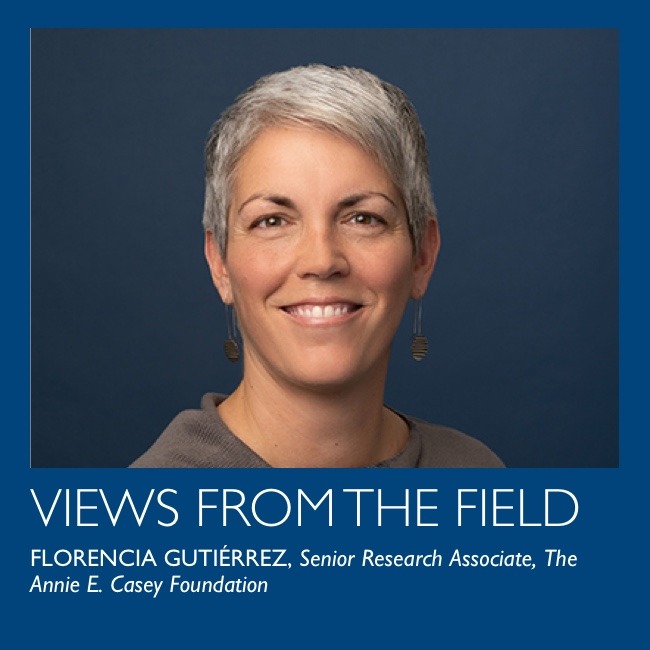
Beyond the Rankings: What Four Decades of KIDS COUNT Have Taught Me About Why Data Matter
For more than three decades, through the Annie E. Casey Foundation’s KIDS COUNT® project, decisionmakers and communities have had access to reliable national, state, and local data to improve outcomes for all children, young people, and families in this country. KIDS COUNT comprises the foundation’s national KIDS COUNT publications—the annual KIDS COUNT Data Book and periodic reports such as Race for Results; the KIDS COUNT Data Center, a resource for year-round national, state, and local data; and the KIDS COUNT Network of state-based partner organizations that help policymakers, advocates, journalists, and community leaders understand and use data to make informed decisions.
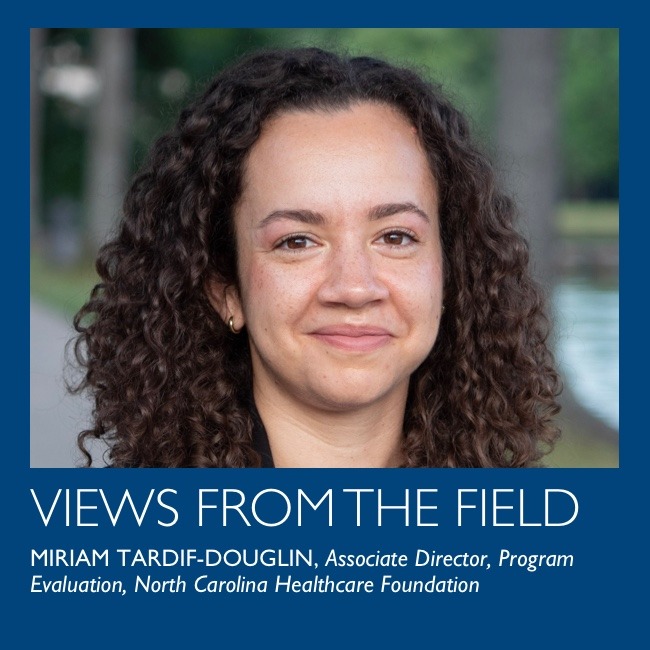
Opioid Use Disorder in Pregnancy: Countering Bias and Promoting Care
Most pregnancy-related deaths in North Carolina are preventable. Yet mental health conditions, including overdose and suicide, remain the leading cause of pregnancy-related death. For health care leaders, that reality demands a closer look at how we identify, treat, and support pregnant and postpartum patients with opioid use disorder.
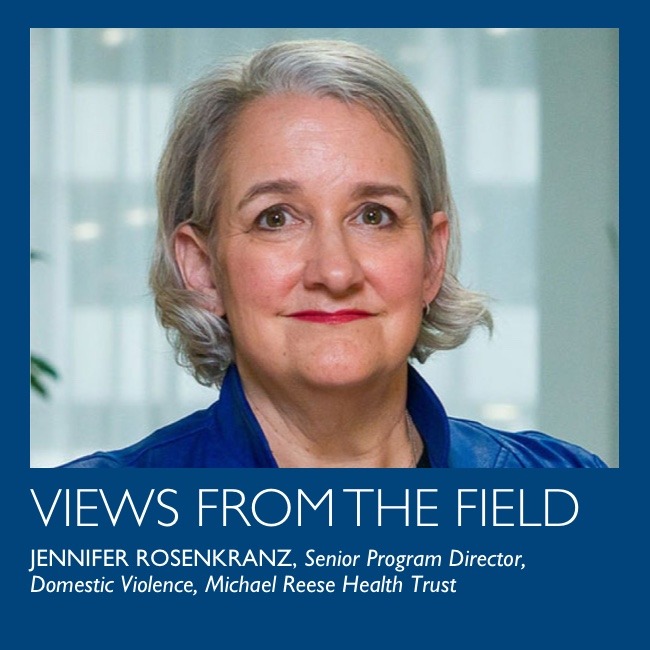
Preventing Domestic Violence by Reaching People Who Cause Harm
The research involved a landscape scan of Cook County, Illinois’ policies, funding, and services for people who cause harm with a goal of engaging the stakeholders and providers doing this work as well as survivors and those who receive services to identify barriers, challenges, and strengths of domestic violence prevention programs. The research examined Partner Abuse Intervention Programs (PAIP) in particular, a standard intervention for people who cause harm that is overseen by the Illinois Department of Human Services.
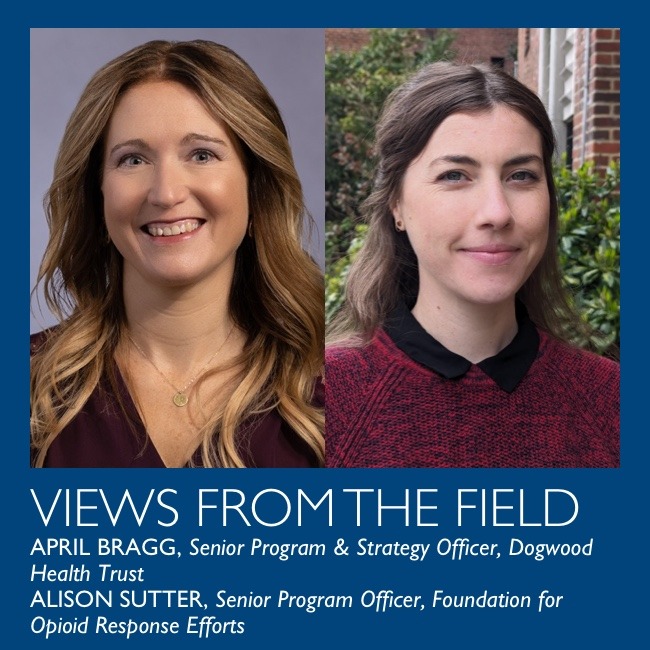
Post-Overdose Response Teams: A Community-Based Approach to Public Safety
Recent changes in the federal policy landscape have created new questions for communities working to address substance use disorder (SUD), mental health needs, and housing instability. In this evolving environment, philanthropy, in collaboration with community-based organizations and local governments, has an important role to play in supporting evidence-based responses to overdose and mental health emergencies that improve access to care, strengthen community wellbeing, and uplift public health while avoiding unnecessary criminal legal outcomes.
GIH Health Policy Update Newsletter
The Latest
An Exclusive Resource for Funding Partners
The Health Policy Update is a newsletter produced in collaboration with Leavitt Partners and Trust for America’s Health. Drawing on GIH’s policy priorities outlined in our policy agenda and our strategic objective of increasing our policy and advocacy presence, the Health Policy Update provides GIH Funding Partners with a range of federal health policy news.
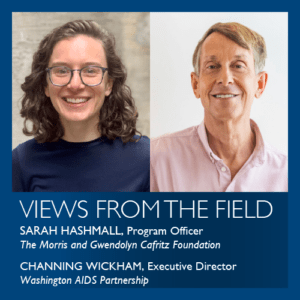
Lessons from the Washington AIDS Partnership: How to Take Big Risks and Move Quickly to Drive Change
The Washington AIDS Partnership, a collaboration of grantmaking organizations with a mission of ending the HIV epidemic in the Greater Washington region, was founded in 1988 with the support of the Ford Foundation and 20 DC-area foundations. The organization’s charge was to make grants to the community as quickly as possible. At that time, Washington, DC had the fifth-highest HIV rate in the country, and the epidemic was out of control. As the city has made great progress reaching goals set in the DC Ends HIV Plan, the Washington AIDS Partnership determined in 2023 that its role in the fight to end the local epidemic was coming to an end. The organization will officially conclude its work in the first quarter of 2024.

Leading Boldly, Building Trust: Lessons from a Community-Driven Strategic Planning Process
The Horizon Foundation of Howard County, Maryland believes that everyone in our community deserves to live abundant and healthy lives. But there are barriers standing in the way of some of our residents—particularly people of color—from achieving that vision. We know that for too long, inequitable laws, policies, and practices have held back many of our neighbors. The Foundation recently completed a 14-month long strategic planning process to figure out how to address these systemic barriers in a way that centers the voices of our community members who are most impacted. We realized that our work—what we focus on, who we engage with, and how we make decisions—needed to fundamentally change.
CareQuest Institute for Oral Health: March 2024
CareQuest Institute for Oral Health released a new report titled The Hour of Need: Productivity Time Lost Due to Urgent Oral Health Needs, which found that adults 18 and older in the US lose more than 243 million work or school hours annually due to oral health problems.
Milbank Memorial Fund: March 2024
The Milbank Memorial Fund released The Health of US Primary Care: 2024 Scorecard Report — No One Can See You Now, which measures the health of primary care by accessibility, investments and financing, workforce, and research. The report includes state-by-state data and policy recommendations.
Bob Woodruff Foundation: March 2024
The Bob Woodruff Foundation released a new report, The Got Your 6 Network: Quantifying and Addressing Veterans’ Needs in 2023, with results from a survey of 130 veteran-serving organizations on the needs of service members, veterans, and their families and caregivers.