
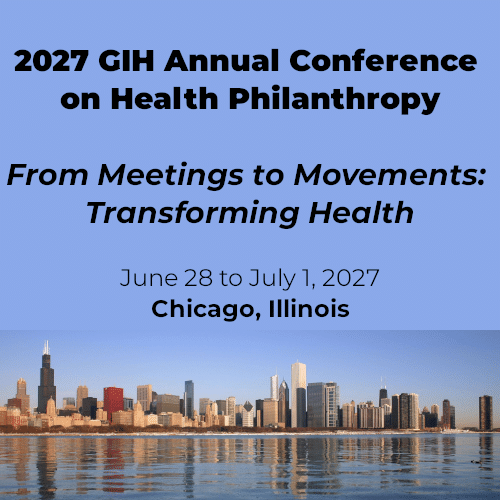
Submit a Session Proposal for the 2027 GIH Annual Conference on Health Philanthropy
We invite you to submit a session proposal for the 2027 Grantmakers In Health (GIH) Annual Conference on Health Philanthropy, From Meetings to Movements: Transforming Health, which will be held in person in Chicago, Illinois, from June 28 to July 1, 2027. From Meetings to Movements: Transforming Health Forty-five years ago, a small group of…
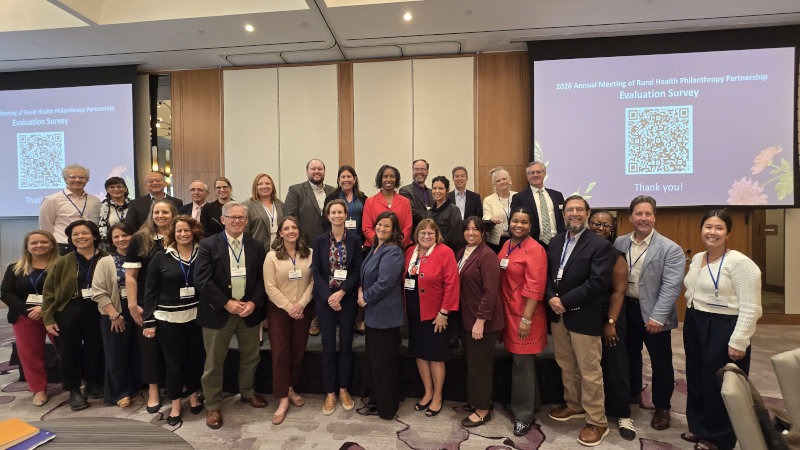
Make Connections to Create a Movement for Rural Health
On Thursday, September 24, the Annual Meeting of the Rural Health Philanthropy Partnership kicked off in downtown Bethesda, MD. Selected highlights from the convening’s first day setting the stage for a full day of sessions and networking opportunities centered on how collaboration can build on progress already underway in rural and tribal communities, including rural health transformation efforts.

NJ SNIP: Supporting Behavioral Health Access Through Trust-based Grantmaking
Amid shifting federal health care funding, grants that enable health care safety net entities to respond to the changing landscape can unlock immense value. This form of grantmaking puts daily program-related decisions in the hands of people doing the work, allowing organizations to develop and sustain staff positions, workflows, and programs that reflect their priorities.

Leaning Into Radical Collaboration Will Advance Your Focused Mission
At this year’s GIH annual conference, I found myself surrounded by hundreds of philanthropic leaders deeply committed to improving the health and well-being of their communities. Again and again, I met funders whose work was grounded in a particular place, population, or issue. These funders know their communities intimately. They understand local history, relationships, and the needs of their communities. Their focus is one of their greatest strengths.
GIH Health Policy Update Newsletter
An Exclusive Resource for Funding Partners
The Health Policy Update is a newsletter produced in collaboration with Leavitt Partners and Trust for America’s Health. Drawing on GIH’s policy priorities outlined in our policy agenda and our strategic objective of increasing our policy and advocacy presence, the Health Policy Update provides GIH Funding Partners with a range of federal health policy news.
Raising the Next Generation: A Survey of Parents and Caregivers
Raising the Next Generation: A Survey of Parents and Caregivers is a new, in-depth research study funded by the Robert Wood Johnson Foundation that examines what it is like to raise children in America today. Interviews were conducted with an intentional focus on parents and caregivers of different racial and ethnic backgrounds, to learn about the aspirations they have for their children, the challenges they face, and the factors that help them thrive.
Why We Cannot Return to Normal: A Prelude to GIH’s Annual Conference
If we are truly committed to a better world, life should not return to normal for any of us. It is against this backdrop that we will come together for GIH’s Annual Conference on Health Philanthropy from June 8-11.
Investing in the Power of Young People: 20 Years of Philanthropic Support for Youth Organizing
Funders’ Collaborative on Youth Organizing (FCYO) has released its 2020 Funder Scan which evaluates the critical role philanthropy has played in shoring up a youth organizing field poised to meet the multiple challenges of this moment. This report is part of FCYO’s 2020 National Youth Organizing Field Scan, a series of four reports that together offer an in-depth look into a field that has grown in significant ways over the last two decades.

What Will Our Philanthropic Racial Equity Legacy Be?
I have worked in philanthropy for over a decade—and believe we are at a pivotal time in our field’s history when taking action for equity is our only option in our quest for a just future.

The Illusion of Inclusive Workspaces and the Psychological Safety of BIPOC Colleagues
When thinking about equity and justice, funders should ask themselves if we are operating from an authentically inclusive space—or under the illusion of inclusion.

Say What You Want – Putting Racial Equity Front and Center in COVID-19 Funding
It is undeniable that violence, threats of violence, and discrimination contribute to toxic stress and social isolation on a community level—and these factors are connected to negative health outcomes.