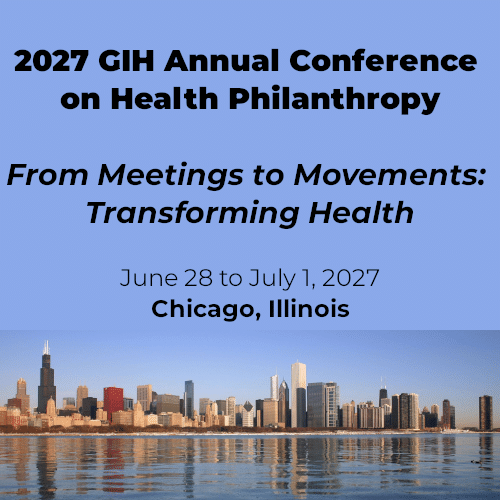
Submit a Session Proposal for the 2027 GIH Annual Conference on Health Philanthropy
We invite you to submit a session proposal for the 2027 Grantmakers In Health (GIH) Annual Conference on Health Philanthropy, From Meetings to Movements: Transforming Health, which will be held in person in Chicago, Illinois, from June 28 to July 1, 2027. From Meetings to Movements: Transforming Health Forty-five years ago, a small group of…
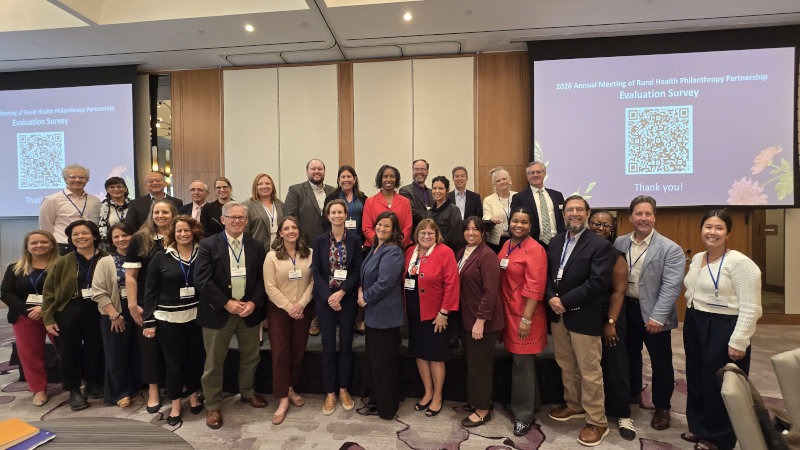
Make Connections to Create a Movement for Rural Health
On Thursday, September 24, the Annual Meeting of the Rural Health Philanthropy Partnership kicked off in downtown Bethesda, MD. Selected highlights from the convening’s first day setting the stage for a full day of sessions and networking opportunities centered on how collaboration can build on progress already underway in rural and tribal communities, including rural health transformation efforts.

NJ SNIP: Supporting Behavioral Health Access Through Trust-based Grantmaking
Amid shifting federal health care funding, grants that enable health care safety net entities to respond to the changing landscape can unlock immense value. This form of grantmaking puts daily program-related decisions in the hands of people doing the work, allowing organizations to develop and sustain staff positions, workflows, and programs that reflect their priorities.
Leaning Into Radical Collaboration Will Advance Your Focused Mission
At this year’s GIH annual conference, I found myself surrounded by hundreds of philanthropic leaders deeply committed to improving the health and well-being of their communities. Again and again, I met funders whose work was grounded in a particular place, population, or issue. These funders know their communities intimately. They understand local history, relationships, and the needs of their communities. Their focus is one of their greatest strengths.
GIH Health Policy Update Newsletter
An Exclusive Resource for Funding Partners
The Health Policy Update is a newsletter produced in collaboration with Leavitt Partners and Trust for America’s Health. Drawing on GIH’s policy priorities outlined in our policy agenda and our strategic objective of increasing our policy and advocacy presence, the Health Policy Update provides GIH Funding Partners with a range of federal health policy news.
Mistrust Is the Biggest Health Crisis Facing the United States Today
Events over the last year put a spotlight on the significant health, economic, and social disparities in our country. In the few days that have elapsed in 2021, that spotlight has focused in on the division our country faces, fueled by mistrust.
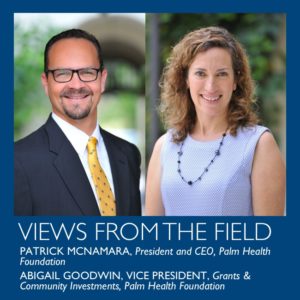
Transforming Communities Through the Social Determinants of Health
Six years ago, Palm Health Foundation made a risky decision. Dissatisfied with the short-term gains of traditional responsive grantmaking, we launched the Healthier Together initiative in an effort to forge a deeper connection to community through the social determinants of health.
Bringing “Invisible” Communities Out from the Shadows: A Community-Centered Approach
COVID-19 has not been an equal opportunity pandemic. It has impacted Latinx, Black, and Indigenous communities; immigrants, older adults, and the uninsured more profoundly than the general population. At the start of the public health crisis and several weeks after, the impact on these communities remained invisible with devastating health consequences.
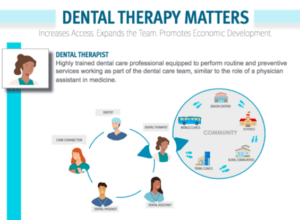
Dental Therapy Toolkit
W.K. Kellogg Foundation has released a new toolkit for advocates and partners that spotlights the work of dental therapists and emphasizes how they promote economic development through job creation and business growth, expand the dental care team, and increase access to care for communities across the United States. The toolkit contains helpful fact sheets; an updated timeline; useful one-pagers on why dental therapy matters; messages that frame how dental therapists are cost-effective providers that are making a lasting difference in communities; and a suite of spotlights that feature several practicing, community dental therapists and elevate how they are reaching underserved communities, providing cost-effective care and increasing access through innovation.
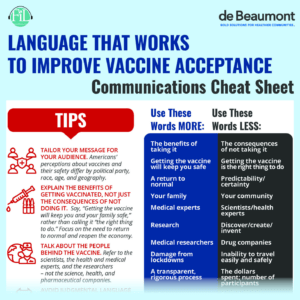
The Language of Vaccine Acceptance
The de Beaumont Foundation has released the findings of a new nationwide poll conducted Dec. 21-22 by the Foundation and pollster Frank Luntz in partnership with the American Public Health Association, the National Collaborative for Health Equity, and Resolve to Save Lives, an Initiative of Vital Strategies.