Submit a Session Proposal for the 2027 GIH Annual Conference on Health Philanthropy
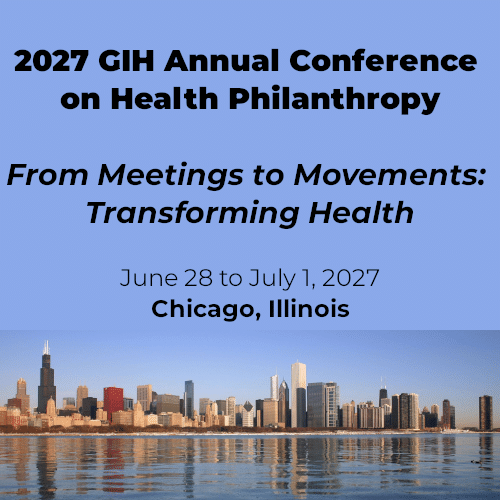
We invite you to submit a session proposal for the 2027 Grantmakers In Health (GIH) Annual Conference on Health Philanthropy, From Meetings to Movements: Transforming Health, which will be held in person in Chicago, Illinois, from June 28 to July 1, 2027. From Meetings to Movements: Transforming Health Forty-five years ago, a small group of…
Make Connections to Create a Movement for Rural Health
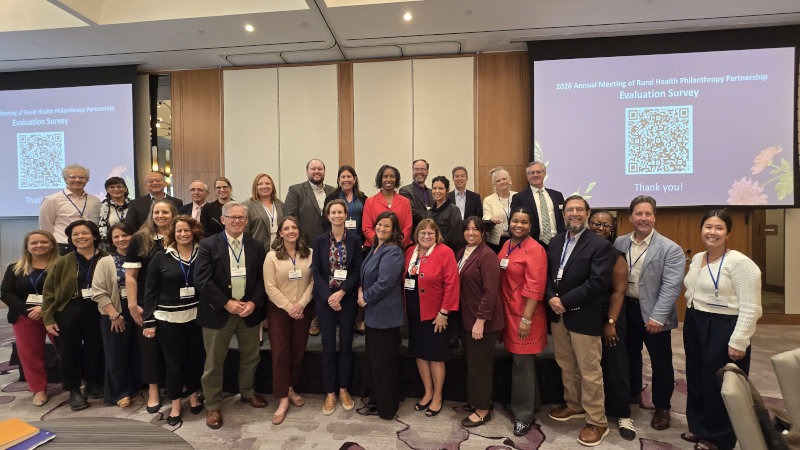
On Thursday, September 24, the Annual Meeting of the Rural Health Philanthropy Partnership kicked off in downtown Bethesda, MD. Selected highlights from the convening’s first day setting the stage for a full day of sessions and networking opportunities centered on how collaboration can build on progress already underway in rural and tribal communities, including rural health transformation efforts.

NJ SNIP: Supporting Behavioral Health Access Through Trust-based Grantmaking
Amid shifting federal health care funding, grants that enable health care safety net entities to respond to the changing landscape can unlock immense value. This form of grantmaking puts daily program-related decisions in the hands of people doing the work, allowing organizations to develop and sustain staff positions, workflows, and programs that reflect their priorities.

Leaning Into Radical Collaboration Will Advance Your Focused Mission
At this year’s GIH annual conference, I found myself surrounded by hundreds of philanthropic leaders deeply committed to improving the health and well-being of their communities. Again and again, I met funders whose work was grounded in a particular place, population, or issue. These funders know their communities intimately. They understand local history, relationships, and the needs of their communities. Their focus is one of their greatest strengths.
GIH Health Policy Update Newsletter
An Exclusive Resource for Funding Partners
The Health Policy Update is a newsletter produced in collaboration with Leavitt Partners and Trust for America’s Health. Drawing on GIH’s policy priorities outlined in our policy agenda and our strategic objective of increasing our policy and advocacy presence, the Health Policy Update provides GIH Funding Partners with a range of federal health policy news.
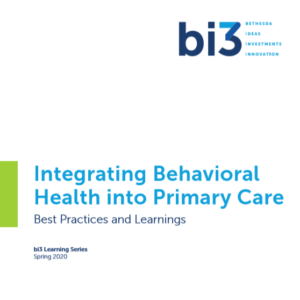
Integrating Behavioral Health into Primary Care Best Practices and Learnings
A new resource from GIH Funding Partner, bi3, shares best practices and lessons learned from their integrating behavioral health into primary care grant initiative.

Reopening Is an Opportunity to Rethink and Rebuild
As we reopen our communities and think about long-term recovery plans, we should also consider how to redesign our systems to achieve better health for everyone. Philanthropy has a vital role to play in this process.


RRF Foundation for Aging RFP: May 2020
RRF Foundation for Aging is accepting proposal applications for its next grant cycle. The deadline is August 3, 2020.
Patient-Centered Outcomes Research Institute (PCORI) RFP: May 2020
PCORI is accepting applications for up to $30 million in funding to support innovative, high-impact, COVID-19-related studies that strengthen the understanding of different approaches to mitigate the impact of COVID-19 on individuals, communities, healthcare providers, and healthcare systems; and provide evidence to inform clinical and public health responses, decision making, and planning.
California Health Care Foundation RFP: May 2020
California Health Care Foundation (CHCF) is requesting proposals for its program, Investing in Entrepreneurial Diversity for California’s Safety Net.