
Health-Related Executive Orders and Presidential Memoranda
This Grantmakers In Health policy resource summarizes health-related executive orders and presidential memoranda issued since 2015, highlighting implications for health funders. It tracks directives on behavioral health, Medicaid, prescription drugs, federal grantmaking, DEI, gender-affirming care, child welfare, vaccines, and related litigation affecting implementation.
August 2026 Executive Order on Childhood Vaccines: Overview, Implications, and Stakeholder Reactions
This Grantmakers In Health policy resource provides an overview of the August 2026 executive order on childhood vaccines, including the restructuring of the federal immunization schedule, the directive to split the MMR vaccine, implications for insurance coverage, family costs, and state exemption laws, and reactions from stakeholders.
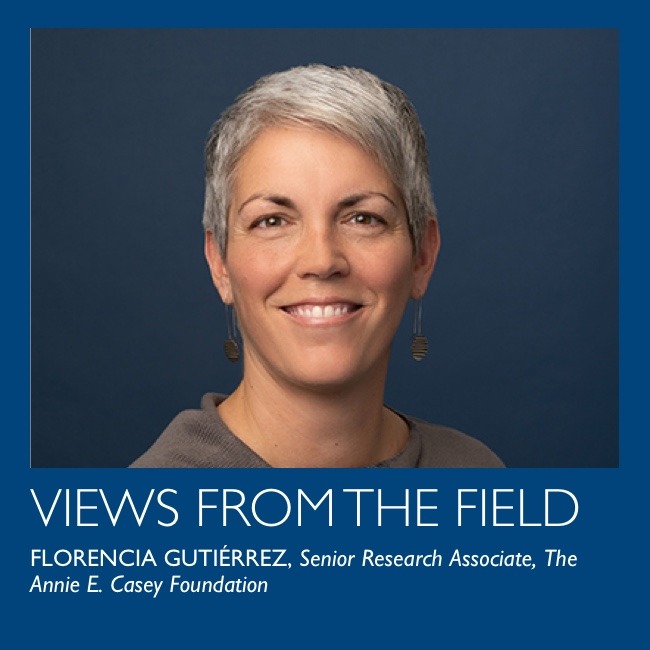
Beyond the Rankings: What Four Decades of KIDS COUNT Have Taught Me About Why Data Matter
For more than three decades, through the Annie E. Casey Foundation’s KIDS COUNT® project, decisionmakers and communities have had access to reliable national, state, and local data to improve outcomes for all children, young people, and families in this country. KIDS COUNT comprises the foundation’s national KIDS COUNT publications—the annual KIDS COUNT Data Book and periodic reports such as Race for Results; the KIDS COUNT Data Center, a resource for year-round national, state, and local data; and the KIDS COUNT Network of state-based partner organizations that help policymakers, advocates, journalists, and community leaders understand and use data to make informed decisions.
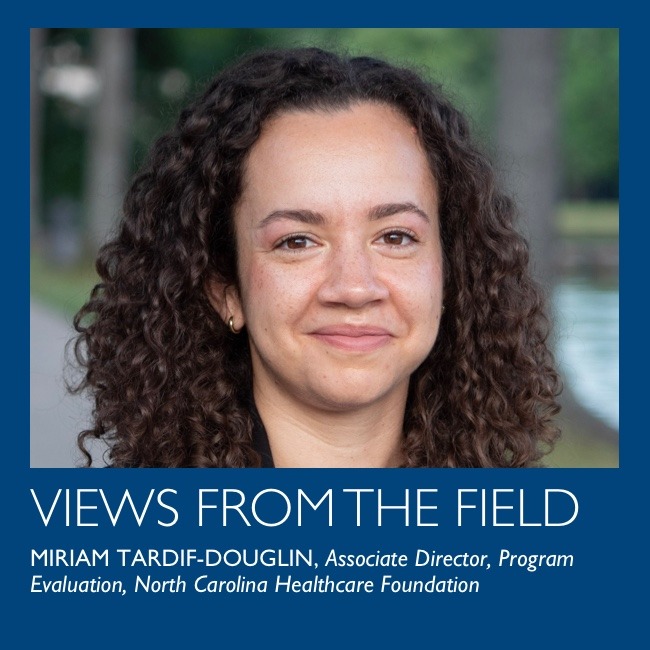
Opioid Use Disorder in Pregnancy: Countering Bias and Promoting Care
Most pregnancy-related deaths in North Carolina are preventable. Yet mental health conditions, including overdose and suicide, remain the leading cause of pregnancy-related death. For health care leaders, that reality demands a closer look at how we identify, treat, and support pregnant and postpartum patients with opioid use disorder.
GIH Health Policy Update Newsletter
An Exclusive Resource for Funding Partners
The Health Policy Update is a newsletter produced in collaboration with Leavitt Partners and Trust for America’s Health. Drawing on GIH’s policy priorities outlined in our policy agenda and our strategic objective of increasing our policy and advocacy presence, the Health Policy Update provides GIH Funding Partners with a range of federal health policy news.
Philanthropy @ Work – Grants and Programs – September 2025
The latest on grants and programs from the field.

The Final Reconciliation Package: Implementation of Key Provisions
On July 4, 2025, H.R. 1, the One Big Beautiful Bill Act, was signed into law. The implementation dates for key health care provisions in the law vary, with some taking effect immediately upon passage and others being implemented over several years. This resource details key dates for the implementation of the law’s most significant health care provisions.

Beyond the Exam Room: Impacting Health Outcomes Through Civic Engagement
August marks Civic Health Month, a time to showcase the link between voting and health and celebrate efforts that ensure every voter can support their community’s health at the ballot box. At the same time, the United States is grappling with a health care system ranked 37th globally despite consuming 17 percent of the country’s GDP. With 26 million Americans uninsured and 43 million underinsured, the gap in access to care continues to widen. This crisis will deepen as critical ACA subsidies expire at the end of 2025, potentially leaving 3.8 million more Americans without coverage, in addition to new federal cuts to Medicaid and changes to how coverage is accessed through the health insurance marketplace, which could result in as many as 20 million Americans losing their health insurance.

Protecting Ballot Measures to Protect Democracy
Access to abortion care in Ohio. The chance to support city candidates with democracy vouchers in Seattle. Promoting judicial ethics in Colorado. An $11 an hour minimum wage in Arkansas. What do these policy changes have in common? They were all enacted through the ballot initiative process, and they all support healthy, thriving communities, both in process and in outcome. But multiple states are seeing efforts to curtail the ballot measure process, limiting the voices of voters.

Pottstown Regional Community Foundation: August 2025
The Pottstown Regional Community Foundation (PRCF) will launch its 2025 Fall Grant Round. For this final grant round of the calendar year, the foundation prioritizes organizations that demonstrate clear alignment with PRCF’s Results Framework and have not yet received an award this calendar year. Competitive requests will be supported by goals stated in community and regional plans and address needs communicated in foundation or other research studies.