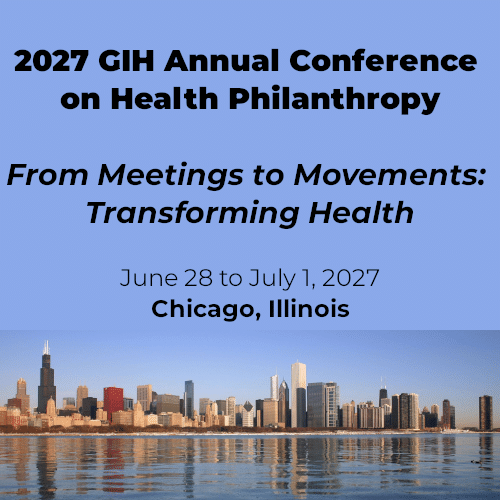
Submit a Session Proposal for the 2027 GIH Annual Conference on Health Philanthropy
We invite you to submit a session proposal for the 2027 Grantmakers In Health (GIH) Annual Conference on Health Philanthropy, From Meetings to Movements: Transforming Health, which will be held in person in Chicago, Illinois, from June 28 to July 1, 2027. From Meetings to Movements: Transforming Health Forty-five years ago, a small group of…
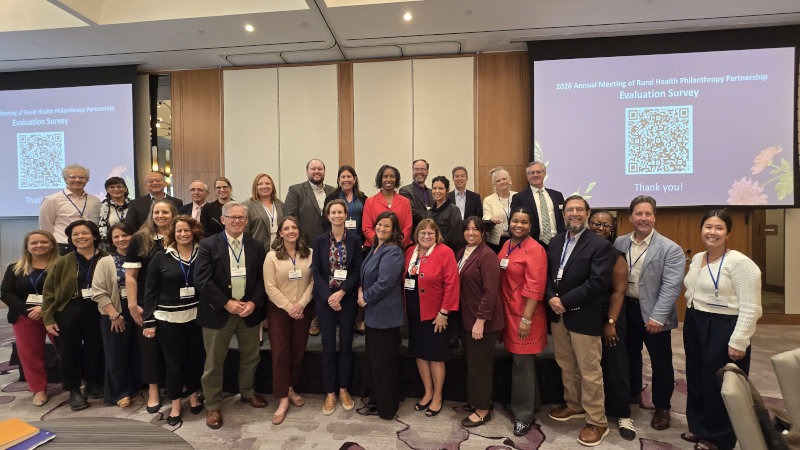
Make Connections to Create a Movement for Rural Health
On Thursday, September 24, the Annual Meeting of the Rural Health Philanthropy Partnership kicked off in downtown Bethesda, MD. Selected highlights from the convening’s first day setting the stage for a full day of sessions and networking opportunities centered on how collaboration can build on progress already underway in rural and tribal communities, including rural health transformation efforts.

NJ SNIP: Supporting Behavioral Health Access Through Trust-based Grantmaking
Amid shifting federal health care funding, grants that enable health care safety net entities to respond to the changing landscape can unlock immense value. This form of grantmaking puts daily program-related decisions in the hands of people doing the work, allowing organizations to develop and sustain staff positions, workflows, and programs that reflect their priorities.

Leaning Into Radical Collaboration Will Advance Your Focused Mission
At this year’s GIH annual conference, I found myself surrounded by hundreds of philanthropic leaders deeply committed to improving the health and well-being of their communities. Again and again, I met funders whose work was grounded in a particular place, population, or issue. These funders know their communities intimately. They understand local history, relationships, and the needs of their communities. Their focus is one of their greatest strengths.
GIH Health Policy Update Newsletter
An Exclusive Resource for Funding Partners
The Health Policy Update is a newsletter produced in collaboration with Leavitt Partners and Trust for America’s Health. Drawing on GIH’s policy priorities outlined in our policy agenda and our strategic objective of increasing our policy and advocacy presence, the Health Policy Update provides GIH Funding Partners with a range of federal health policy news.
Designing the Public Health System for a Healthier U.S.
Philanthropic organizations and others involved in supporting public health have begun to focus on ways to improve an ailing system so that it protects the people it serves. This View from the Field spotlights the national Turning Point initiative.
Creating a Healthier Future for Children: Precaution Is Prevention
With chronic childhood diseases and an array of learning and developmental disabilities on the rise, a burgeoning body of science is illuminating links between environmental exposures and children’s health. Health funders interested in childhood development and lifelong health are increasingly moving upstream to support precautionary action as a critical prevention strategy.
Advancing the Use of Health Data
With a few actions, grantmakers can boost the use of health data in their communities. This article draws upon the work of The Health Foundation of Greater Cincinnati and describes how it is using data and creating new data resources for its grantees and others in its service area – Cincinnati, Ohio and 20 surrounding counties in Ohio, Kentucky, and Indiana.
Addressing the Mental Health Needs of Immigrants and Refugees
Resettling in a new country brings a unique set of mental health challenges for immigrants and refugees. Most immigrant parents who arrive in new communities are faced with immediate challenges to their survival – securing a job, finding a place to live, buying food, and enrolling their children in school.
Grantmakers Partner to Improve Children’s Development
The rallying cry “Think nationally, act locally” has proven to be remarkably successful for Healthy Steps for Young Children. Spearheaded by The Commonwealth Fund and launched at 24 sites around the country, Healthy Steps’ success is due in no small part to the commitment and organizational and financial support provided by a partnership of national, community, and new health foundations.
Using Strategic Philanthropy to Advance State Health Care Reform: Maine’s New Dirigo Health Plan
Learn about development of Maine’s innovative Dirigo Health Plan, an ambitious, comprehensive health care reform initiative. Dirigo Health will offer a health insurance product to individuals, the self-employed, and small businesses; expand eligibility in Maine’s Medicaid program; and improve quality and contain costs.