Submit a Session Proposal for the 2027 GIH Annual Conference on Health Philanthropy
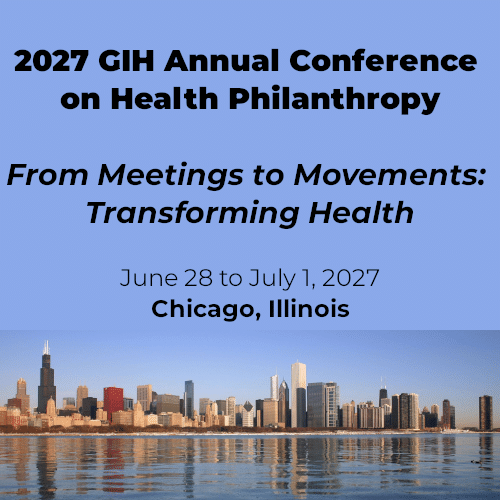
We invite you to submit a session proposal for the 2027 Grantmakers In Health (GIH) Annual Conference on Health Philanthropy, From Meetings to Movements: Transforming Health, which will be held in person in Chicago, Illinois, from June 28 to July 1, 2027. From Meetings to Movements: Transforming Health Forty-five years ago, a small group of…
Make Connections to Create a Movement for Rural Health
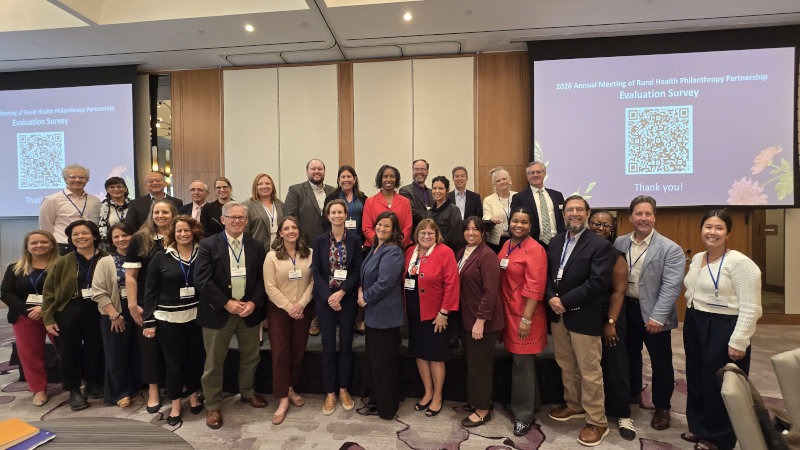
On Thursday, September 24, the Annual Meeting of the Rural Health Philanthropy Partnership kicked off in downtown Bethesda, MD. Selected highlights from the convening’s first day setting the stage for a full day of sessions and networking opportunities centered on how collaboration can build on progress already underway in rural and tribal communities, including rural health transformation efforts.

NJ SNIP: Supporting Behavioral Health Access Through Trust-based Grantmaking
Amid shifting federal health care funding, grants that enable health care safety net entities to respond to the changing landscape can unlock immense value. This form of grantmaking puts daily program-related decisions in the hands of people doing the work, allowing organizations to develop and sustain staff positions, workflows, and programs that reflect their priorities.

Leaning Into Radical Collaboration Will Advance Your Focused Mission
At this year’s GIH annual conference, I found myself surrounded by hundreds of philanthropic leaders deeply committed to improving the health and well-being of their communities. Again and again, I met funders whose work was grounded in a particular place, population, or issue. These funders know their communities intimately. They understand local history, relationships, and the needs of their communities. Their focus is one of their greatest strengths.
GIH Health Policy Update Newsletter
An Exclusive Resource for Funding Partners
The Health Policy Update is a newsletter produced in collaboration with Leavitt Partners and Trust for America’s Health. Drawing on GIH’s policy priorities outlined in our policy agenda and our strategic objective of increasing our policy and advocacy presence, the Health Policy Update provides GIH Funding Partners with a range of federal health policy news.
Grantmakers In Health’s Partnership with Grantmakers In Aging Highlighted in Inside Philanthropy Interview
Grantmakers In Health’s ongoing partnership with Grantmaking In Aging (GIA) advocating for the renewal of the Older Americans Act (OAA) was featured in a July 19, 2024 Inside Philanthropy interview with GIA CEO Lindsay A. Goldman. In her comments, Goldman discussed the partnership’s accomplishments and why the OAA is important to funders: “We launched an…
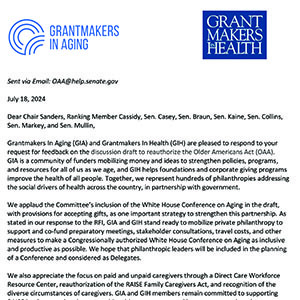
Grantmakers in Health and Grantmakers In Aging Release Feedback on Draft Legislation to Reauthorize the Older Americans Act
On July 18, 2024, Grantmakers In Health (GIH) and Grantmakers In Aging (GIA) responded to a request for feedback from the Senate Committee on Health, Education, Labor and Pensions (HELP) on the discussion draft to reauthorize the Older Americans Act (OAA). In their letter to the committee, GIH and GIA applauded the inclusion of the…
2024 Terrance Keenan Institute Fellows Named
GIH is delighted to announce the 2024 Terrance Keenan Institute for Emerging Leaders in Health Philanthropy class of fellows.
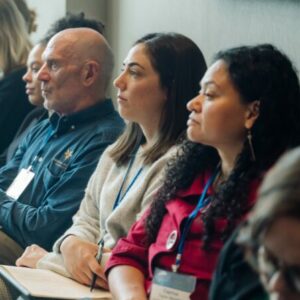
Help Shape Next Year’s Grantmakers In Health Annual Conference
Grantmakers In Health (GIH) is seeking volunteers to serve on our 2025 Annual Conference Proposal Review Committee. Committee member feedback is a critical way for GIH to ensure that the annual conference agenda includes high quality, engaging sessions that reflect the interests of the health philanthropy field.
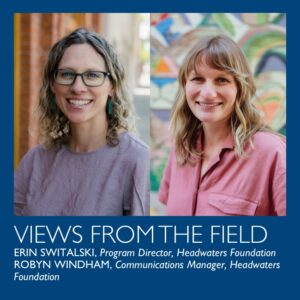
Building Stronger Early Childhood Systems: Reflections from Western Montana
What happened when a regional health foundation team embarked on a road trip and drank 600 cups of coffee with their neighbors? They discovered that Western Montanans were tired of band-aid solutions and frustrated with interventions that always seemed to arrive too late. People wanted to focus on prevention to address problems at their roots. They hoped to see more collaboration between organizations and across sectors and emphasized that solutions should be locally born and cultivated, focusing especially on kids in their earliest years.

The Crucial Role of Philanthropy in Nurturing Equitable Local Journalism
In an era marked by profound societal divisions, the role of local media in fostering democratic health stands as a cornerstone of informed civic engagement. From critical issues like health care and housing to economic opportunity and climate impacts, local journalism is the bedrock upon which communities build their understanding and response. Yet, the field faces challenges beyond the well-documented financial crisis facing local newsrooms, encompassing deep-rooted inequities in newsroom composition and the narratives they convey.