
Getting in Formation: Working Together to Build Healthy Communities
From breakout sessions to quick takes and wellness activities to two inspiring plenary sessions, every corner during day two of the Grantmakers In Health (GIH) Annual Conference on Health Philanthropy, Life, Liberty, and the Pursuit of Health was filled with conversation and connection. The day’s agenda focused on how funders can find and use their voices to stand up in this moment of change, including doubling down on their values; taking bigger, bolder risks alongside grantees; and seeking partnerships spanning the private and public sectors.

Life, Liberty, and the Pursuit of Health in Action
Life, Liberty, and the Pursuit of Health is more than this year’s Annual Conference on Health Philanthropy theme; it is the foundation for every planned session, unexpected learning moment, and conversation in Baltimore from June 8-11. The pre-conference kicked off with a range of discussions centered on the theme, including the state of Medicaid after H.R. 1, the connection between democracy and better health outcomes, and collaborations in public health funding.
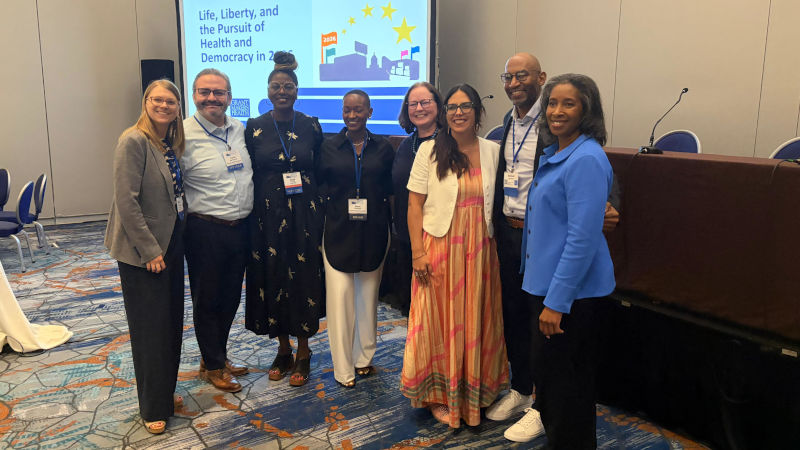
Health Philanthropy Working at the Intersections Between Critical Issues
Life, Liberty, and the Pursuit of Health is more than this year’s Annual Conference on Health Philanthropy theme; it is the foundation for every planned session, unexpected learning moment, and conversation in Baltimore from June 8-11. The pre-conference kicked off with a range of discussions centered on the theme, including the state of Medicaid after H.R. 1, the connection between democracy and better health outcomes, and collaborations in public health funding.
GIH Health Policy Update Newsletter
The Latest
An Exclusive Resource for Funding Partners
The Health Policy Update is a newsletter produced in collaboration with Leavitt Partners and Trust for America’s Health. Drawing on GIH’s policy priorities outlined in our policy agenda and our strategic objective of increasing our policy and advocacy presence, the Health Policy Update provides GIH Funding Partners with a range of federal health policy news.

SASH: Health Equity Begins at Home
A decade ago, primary care practices and housing non-profits in Vermont partnered to reduce chronic conditions among older adults and younger adults with a disability in collaboration with the state’s Blueprint for Health. Today, as an extender of the Blueprint, Support and Services at Home (SASH), which supports healthy aging in place, is helping to advance health equity in the state.

The Gun Violence Epidemic: Lessons From Newark, New Jersey
The Newark, New Jersey community has made remarkable progress improving community safety and reducing gun violence. This past June, a seminal report, The Future of Public Safety: Exploring the Power and Possibility of Newark’s Reimagined Public Safety Ecosystem, was released by Equal Justice USA, the City of Newark, and the Newark Community Street Team. Researchers utilized community participatory research to assess Newark’s impactful approaches to improving public safety.

What Can Be Done About Disparities in Birth Outcomes? Follow The BIPOC Leaders
There has long been a movement of Black, Indigenous, and People of Color (BIPOC) birth and reproductive justice leaders addressing the impact of racism and oppression on pregnant and birthing people and their families. Their work has galvanized funders and policymakers to focus their efforts on ending the inequities in birth outcomes, opening up a national conversation about advancing community driven solutions to our country’s perinatal health crisis as well as creating opportunity for change within philanthropy.
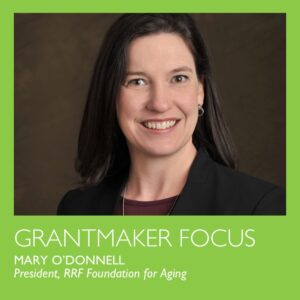
RRF Foundation for Aging
“U.S. Census Bureau projections foresee the number of people age 65 and older rising dramatically in the next decade. With an aging population, there is a growing need to provide training and self-care relief, sustainable systems, and better resources for the nation’s 53 million unpaid family caregivers currently serving a vital role in our long-term care health system.