Submit a Session Proposal for the 2027 GIH Annual Conference on Health Philanthropy
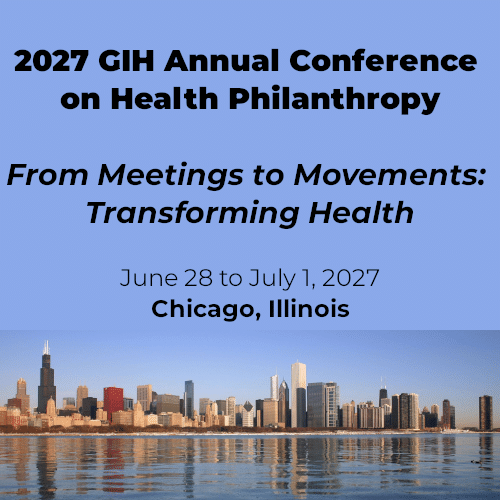
We invite you to submit a session proposal for the 2027 Grantmakers In Health (GIH) Annual Conference on Health Philanthropy, From Meetings to Movements: Transforming Health, which will be held in person in Chicago, Illinois, from June 28 to July 1, 2027. From Meetings to Movements: Transforming Health Forty-five years ago, a small group of…
Make Connections to Create a Movement for Rural Health
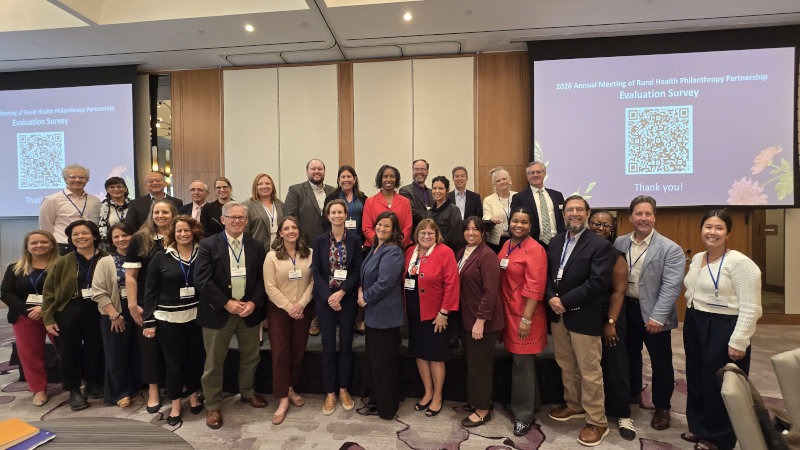
On Thursday, September 24, the Annual Meeting of the Rural Health Philanthropy Partnership kicked off in downtown Bethesda, MD. Selected highlights from the convening’s first day setting the stage for a full day of sessions and networking opportunities centered on how collaboration can build on progress already underway in rural and tribal communities, including rural health transformation efforts.

NJ SNIP: Supporting Behavioral Health Access Through Trust-based Grantmaking
Amid shifting federal health care funding, grants that enable health care safety net entities to respond to the changing landscape can unlock immense value. This form of grantmaking puts daily program-related decisions in the hands of people doing the work, allowing organizations to develop and sustain staff positions, workflows, and programs that reflect their priorities.
Leaning Into Radical Collaboration Will Advance Your Focused Mission
At this year’s GIH annual conference, I found myself surrounded by hundreds of philanthropic leaders deeply committed to improving the health and well-being of their communities. Again and again, I met funders whose work was grounded in a particular place, population, or issue. These funders know their communities intimately. They understand local history, relationships, and the needs of their communities. Their focus is one of their greatest strengths.
GIH Health Policy Update Newsletter
An Exclusive Resource for Funding Partners
The Health Policy Update is a newsletter produced in collaboration with Leavitt Partners and Trust for America’s Health. Drawing on GIH’s policy priorities outlined in our policy agenda and our strategic objective of increasing our policy and advocacy presence, the Health Policy Update provides GIH Funding Partners with a range of federal health policy news.
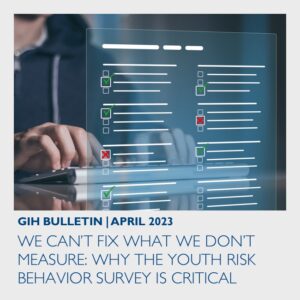
We Can’t Fix What We Don’t Measure: Why the Youth Risk Behavior Survey is Critical
In 2021, 1 in 6 high school students was electronically bullied or bullied at school. That same year, 22 percent of high school students, and 45 percent of students who identified as LGBTQ+, seriously considered attempting suicide. We know this information because of the Youth Risk Behavior Survey, which along with other state and local surveys, comprises the Youth Risk Behavior Surveillance System.
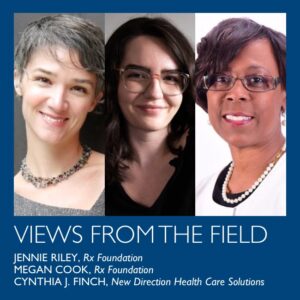
Exploring the Impact of Vaccine Equity Grants in Rural Communities of Color
The Rx Foundation launched a rapid response Vaccine Equity grant program in March 2021 as it became clear that communities had unequal access to newly available COVID-19 vaccines. The goal was to fund organizations that were positioned to improve access to vaccines for groups marginalized by or unable to access existing systems and to do outreach and have conversations with people about their vaccine concerns and questions.
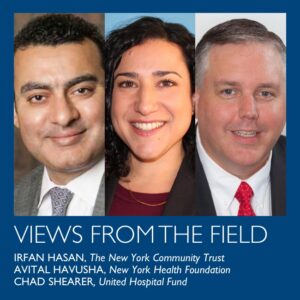
New York State Foundations Working Together to Preserve Health Insurance Coverage for Millions of New Yorkers
In March 2020, the United States declared a public health emergency and enacted historic COVID-19 relief legislation. It increased Medicaid funding to states contingent on several conditions, including a “continuous enrollment” requirement that prohibited states from terminating Medicaid enrollees’ coverage until after the public health emergency had ended. How well this worked is a rare silver lining of the pandemic: an estimated 20.2 million people gained coverage since March 2020, and the uninsured rate dropped across the country.


Yield Giving: April 2023
Yield Giving announced a $250 million open call to fund impactful organizations focused on working with people and in places experiencing the greatest need in the United States: communities, individuals, and families with access to the fewest foundational resources and opportunities.