
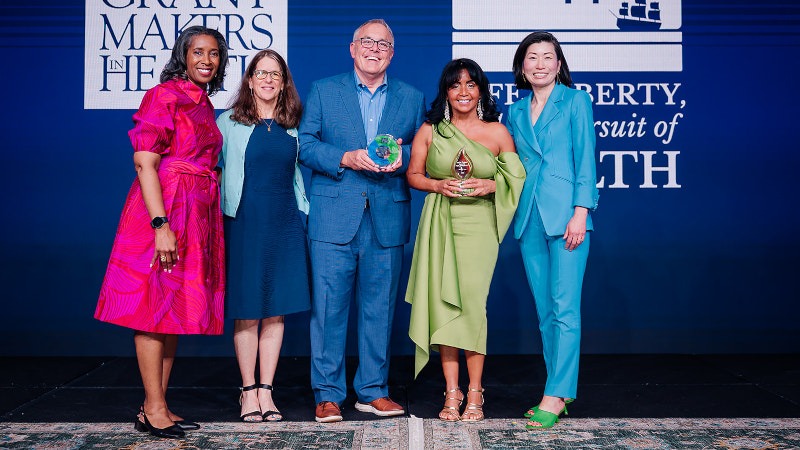
Getting in Formation: Working Together to Build Healthy Communities
From breakout sessions to quick takes and wellness activities to two inspiring plenary sessions, every corner during day two of the Grantmakers In Health (GIH) Annual Conference on Health Philanthropy, Life, Liberty, and the Pursuit of Health was filled with conversation and connection. The day’s agenda focused on how funders can find and use their voices to stand up in this moment of change, including doubling down on their values; taking bigger, bolder risks alongside grantees; and seeking partnerships spanning the private and public sectors.
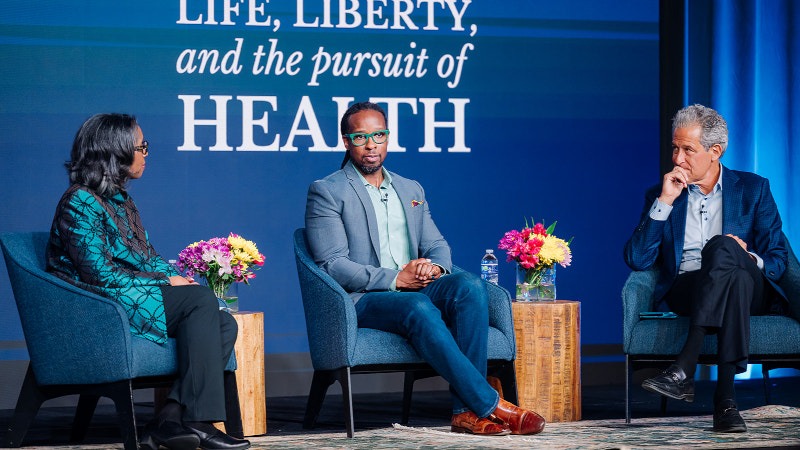
Life, Liberty, and the Pursuit of Health in Action
Life, Liberty, and the Pursuit of Health is more than this year’s Annual Conference on Health Philanthropy theme; it is the foundation for every planned session, unexpected learning moment, and conversation in Baltimore from June 8-11. The pre-conference kicked off with a range of discussions centered on the theme, including the state of Medicaid after H.R. 1, the connection between democracy and better health outcomes, and collaborations in public health funding.
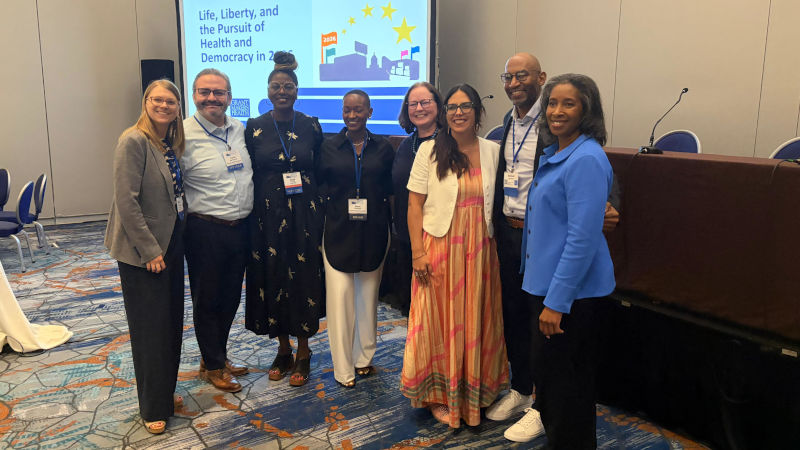
Health Philanthropy Working at the Intersections Between Critical Issues
Life, Liberty, and the Pursuit of Health is more than this year’s Annual Conference on Health Philanthropy theme; it is the foundation for every planned session, unexpected learning moment, and conversation in Baltimore from June 8-11. The pre-conference kicked off with a range of discussions centered on the theme, including the state of Medicaid after H.R. 1, the connection between democracy and better health outcomes, and collaborations in public health funding.
GIH Health Policy Update Newsletter
The Latest
An Exclusive Resource for Funding Partners
The Health Policy Update is a newsletter produced in collaboration with Leavitt Partners and Trust for America’s Health. Drawing on GIH’s policy priorities outlined in our policy agenda and our strategic objective of increasing our policy and advocacy presence, the Health Policy Update provides GIH Funding Partners with a range of federal health policy news.


Foundation for a Healthy High Point: November 2022
The rate of teen pregnancy in Greater High Point decreased between 2010 and 2020, the rates of pre-term births, low birth-weight babies, and infant mortality increased slightly and remained above the state average, according to the “Healthy Beginnings in Greater High Point” study.
Episcopal Health Foundation: November 2022
Key findings from a new statewide survey on social determinants of health say that medical care alone isn’t enough for a person to live a healthy life, so the state should invest more resources to address non-medical factors like unemployment, neighborhood conditions, and housing.
Blue Cross Blue Shield of Massachusetts Foundation: November 2022
A new report, “Creating a Robust, Diverse, and Resilient Behavioral Health Workforce in Massachusetts” describes challenges that have put the behavioral health workforce in crisis and outlines seven recommendations.
Philanthropy @ Work – Grants and Programs – November 2022
The latest on grants and programs from the field.
Cara V. James Interviewed on Rural Matters Podcast: Fostering Healthier Rural Communities
Cara V. James was interviewed by Michael Levin-Epstein on the November 15, 2022 episode of the Rural Matters podcast about GIH’s work to support rural populations, combatting racial and socioeconomic disparities in rural health, philanthropy’s role in closing workforce gaps in rural communities, and more.