
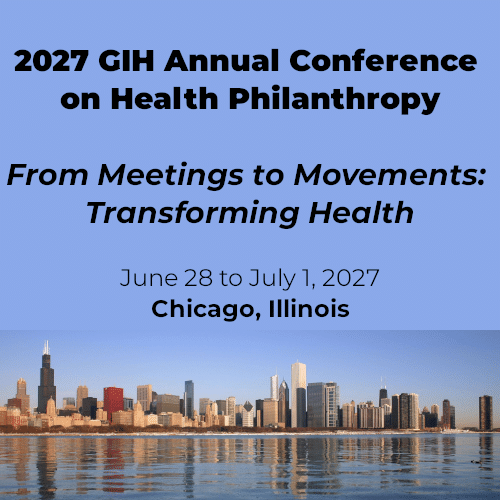
Submit a Session Proposal for the 2027 GIH Annual Conference on Health Philanthropy
We invite you to submit a session proposal for the 2027 Grantmakers In Health (GIH) Annual Conference on Health Philanthropy, From Meetings to Movements: Transforming Health, which will be held in person in Chicago, Illinois, from June 28 to July 1, 2027. From Meetings to Movements: Transforming Health Forty-five years ago, a small group of…
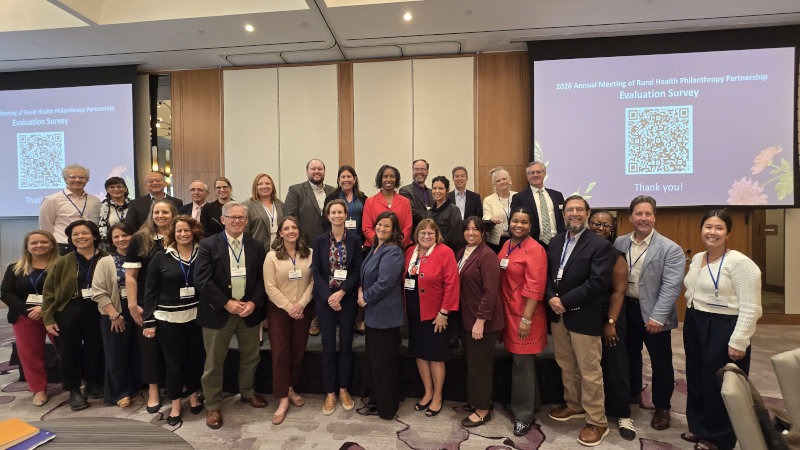
Make Connections to Create a Movement for Rural Health
On Thursday, September 24, the Annual Meeting of the Rural Health Philanthropy Partnership kicked off in downtown Bethesda, MD. Selected highlights from the convening’s first day setting the stage for a full day of sessions and networking opportunities centered on how collaboration can build on progress already underway in rural and tribal communities, including rural health transformation efforts.

NJ SNIP: Supporting Behavioral Health Access Through Trust-based Grantmaking
Amid shifting federal health care funding, grants that enable health care safety net entities to respond to the changing landscape can unlock immense value. This form of grantmaking puts daily program-related decisions in the hands of people doing the work, allowing organizations to develop and sustain staff positions, workflows, and programs that reflect their priorities.

Leaning Into Radical Collaboration Will Advance Your Focused Mission
At this year’s GIH annual conference, I found myself surrounded by hundreds of philanthropic leaders deeply committed to improving the health and well-being of their communities. Again and again, I met funders whose work was grounded in a particular place, population, or issue. These funders know their communities intimately. They understand local history, relationships, and the needs of their communities. Their focus is one of their greatest strengths.
GIH Health Policy Update Newsletter
An Exclusive Resource for Funding Partners
The Health Policy Update is a newsletter produced in collaboration with Leavitt Partners and Trust for America’s Health. Drawing on GIH’s policy priorities outlined in our policy agenda and our strategic objective of increasing our policy and advocacy presence, the Health Policy Update provides GIH Funding Partners with a range of federal health policy news.
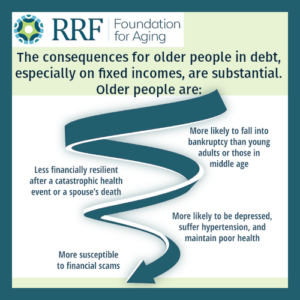
RRF Foundation for Aging Releases Call to Action to Address Older Adult Debt Burden
In a new Call to Action, RRF Foundation for Aging illuminates a problem hidden for too long – older adult debt – and calls on advocates, researchers, service providers, funders and others to get involved with addressing this urgent issue.
Committing to the Long Game of Advancing Better Health Through Public Policy
As people across the country prepare to vote in state and local elections, those of us working in health philanthropy should take a moment to reflect on what we can do to support policies to advance better health outcomes.

Promoting Diversity, Equity, and Inclusion in the Health Care Workforce
The Josiah Macy Jr. Foundation is the only national foundation solely dedicated to improving the public’s health by advancing change in the education of health professionals. The Foundation’s current focus is the clinical learning environment where the health care workforce both acquires skills and delivers care.

The Gilead Foundation: Advancing Health Equity Through Education Equity in the U.S.
While the COVID pandemic and most recent racial reckoning galvanized the traditional health philanthropy community, many corporate funders made their first foray into supporting racial and social justice efforts as well as health equity. Corporate social responsibility efforts were, and continue to be, scrutinized as merely cosmetic public relations efforts with no real long-term, institutional commitments to driving meaningful change in Black and Brown communities that have long been historically, intentionally marginalized.
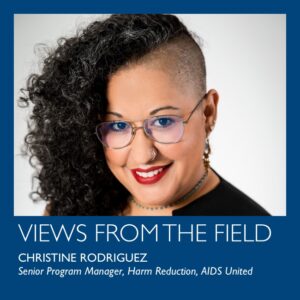
Health Philanthropy’s Equity Blind Spot: Syringe Services Programs
Syringe services programs (SSPs) have existed, mostly under the radar, in the United States since the early days of the response to the HIV epidemic. Illegal then, and still illegal in many jurisdictions across the country today, sterile syringe access is a bedrock of harm reduction.
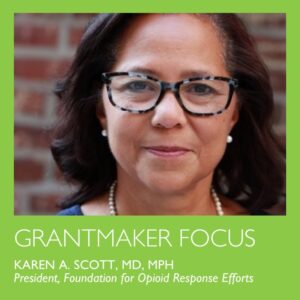
Foundation for Opioid Response Efforts
The opioid crisis is a wide-ranging public health crisis that will require many different approaches and disciplines to effect real change. It will require bringing together and highlighting the intersections of physical and mental health, social determinants of health, and long-standing policies including those on criminal justice and access to treatment. To that end, many health funders can find a role to play that contributes to reducing mortality and increasing well-being, even if they do not consider themselves opioid use disorder funders.