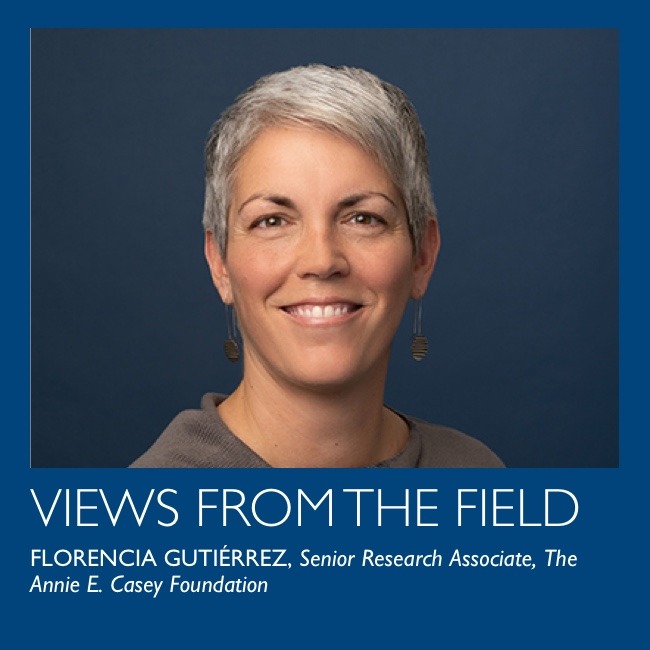
Beyond the Rankings: What Four Decades of KIDS COUNT Have Taught Me About Why Data Matter
For more than three decades, through the Annie E. Casey Foundation’s KIDS COUNT® project, decisionmakers and communities have had access to reliable national, state, and local data to improve outcomes for all children, young people, and families in this country. KIDS COUNT comprises the foundation’s national KIDS COUNT publications—the annual KIDS COUNT Data Book and periodic reports such as Race for Results; the KIDS COUNT Data Center, a resource for year-round national, state, and local data; and the KIDS COUNT Network of state-based partner organizations that help policymakers, advocates, journalists, and community leaders understand and use data to make informed decisions.
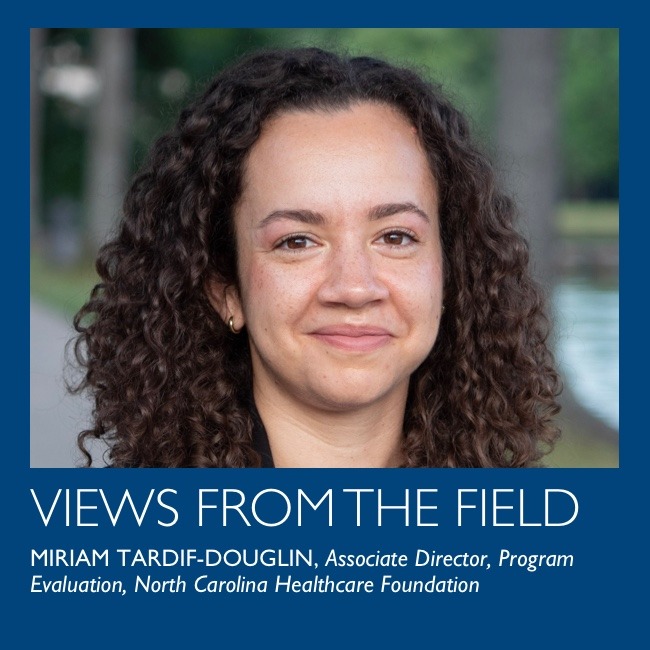
Opioid Use Disorder in Pregnancy: Countering Bias and Promoting Care
Most pregnancy-related deaths in North Carolina are preventable. Yet mental health conditions, including overdose and suicide, remain the leading cause of pregnancy-related death. For health care leaders, that reality demands a closer look at how we identify, treat, and support pregnant and postpartum patients with opioid use disorder.
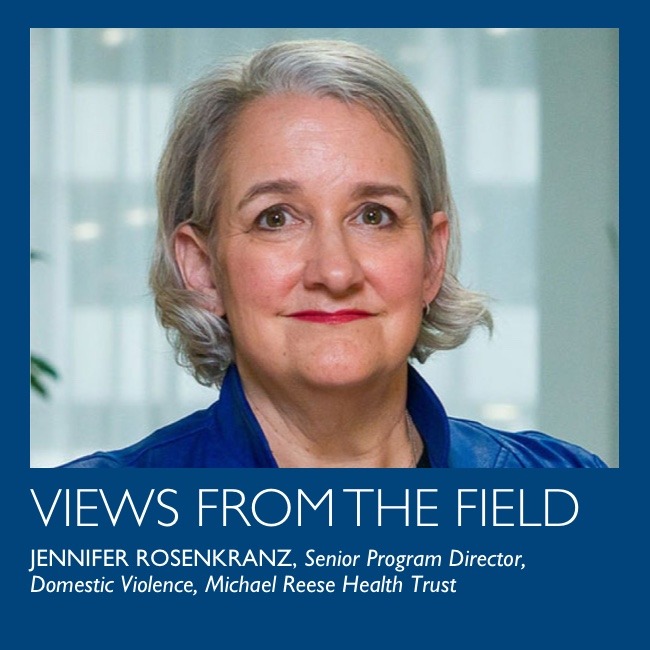
Preventing Domestic Violence by Reaching People Who Cause Harm
The research involved a landscape scan of Cook County, Illinois’ policies, funding, and services for people who cause harm with a goal of engaging the stakeholders and providers doing this work as well as survivors and those who receive services to identify barriers, challenges, and strengths of domestic violence prevention programs. The research examined Partner Abuse Intervention Programs (PAIP) in particular, a standard intervention for people who cause harm that is overseen by the Illinois Department of Human Services.
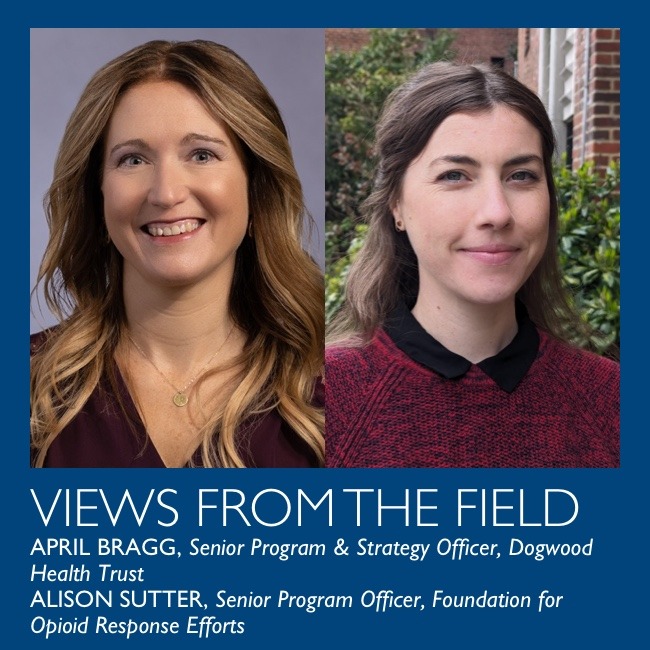
Post-Overdose Response Teams: A Community-Based Approach to Public Safety
Recent changes in the federal policy landscape have created new questions for communities working to address substance use disorder (SUD), mental health needs, and housing instability. In this evolving environment, philanthropy, in collaboration with community-based organizations and local governments, has an important role to play in supporting evidence-based responses to overdose and mental health emergencies that improve access to care, strengthen community wellbeing, and uplift public health while avoiding unnecessary criminal legal outcomes.
GIH Health Policy Update Newsletter
The Latest
An Exclusive Resource for Funding Partners
The Health Policy Update is a newsletter produced in collaboration with Leavitt Partners and Trust for America’s Health. Drawing on GIH’s policy priorities outlined in our policy agenda and our strategic objective of increasing our policy and advocacy presence, the Health Policy Update provides GIH Funding Partners with a range of federal health policy news.
bi3 Article: Trust-Based Philanthropy is Grounded in Mutual Accountability and Learning
A new article shows how applying a trust-based philanthropy lens helps funders capture the full impact of grants, describes how bi3 evaluates initiatives, and how building funder-grantee relationships grounded in power-sharing, transparency, and mutual accountability helps achieve greater impact.

2022 Call for GIH Board Nominations
Grantmakers In Health (GIH), an educational organization serving staff, executives, and trustees of foundations and corporate giving programs working in the health field, is seeking nominations for its board of directors for terms beginning in March 2023.
2022 Terrance Keenan Institute Fellows Named
GIH is delighted to announce the 2022 Terrance Keenan Institute for Emerging Leaders in Health Philanthropy class of fellows.
Reconnecting and Recommitting to a Future Focused on Better Health for All through Better Philanthropy
Much has changed since Grantmakers In Health (GIH) last convened in 2019. Over the past three years, more than 1 million Americans have lost their lives due to COVID-19. Large cracks are apparent in our public health infrastructure, health care systems, and safety net programs. In addition, pervasive inequities across all facets of society have increased. The country is divided, and this division continues to hamper our ability to address one of the greatest health challenges our modern world has ever faced.

Reflecting on the Intersections Initiative
For organizations like the St. Joseph Community Partnership Fund (the Fund) and Prevention Institute (PI), GIH conferences have served as a critical space to bring together advocates across sectors and spark new ideas to address complex health issues. Inspired by a PI-led session on upstream prevention and health equity at GIH’s March 2016 annual conference, the Fund noted the promising landscape for a grantmaking initiative that could focus on root causes of poor health and dismantling systems of inequity, and a partnership was born.

Will We Hear the Voices of the LGBTQ Community?
Across the United States we are seeing a coordinated campaign to restrict lesbian, gay, bisexual, transgender, and queer (LGBTQ) rights and limit access to affirming, lifesaving health care. According to the Equality Federation, nearly 400 anti-LGBTQ bills were introduced across the country in 2021, and over 240 bills have already been filed in 2022. These policies directly impact the health and safety of members of the LGBTQ community. Recent data from The Trevor Project show that 66 percent of LGBTQ youth, including 85 percent of transgender and/or nonbinary youth, report that recent debates around state laws to restrict the rights of transgender people have negatively affected their mental health.