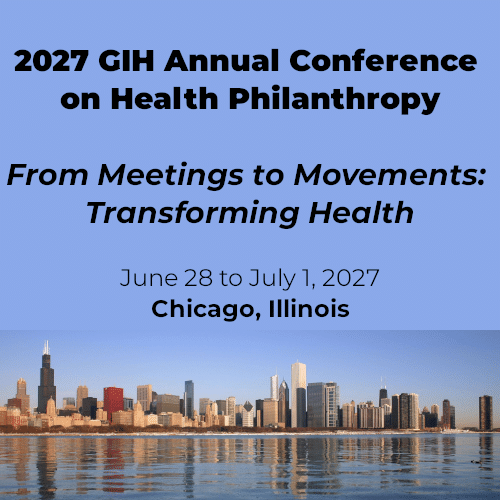
Submit a Session Proposal for the 2027 GIH Annual Conference on Health Philanthropy
We invite you to submit a session proposal for the 2027 Grantmakers In Health (GIH) Annual Conference on Health Philanthropy, From Meetings to Movements: Transforming Health, which will be held in person in Chicago, Illinois, from June 28 to July 1, 2027. From Meetings to Movements: Transforming Health Forty-five years ago, a small group of…
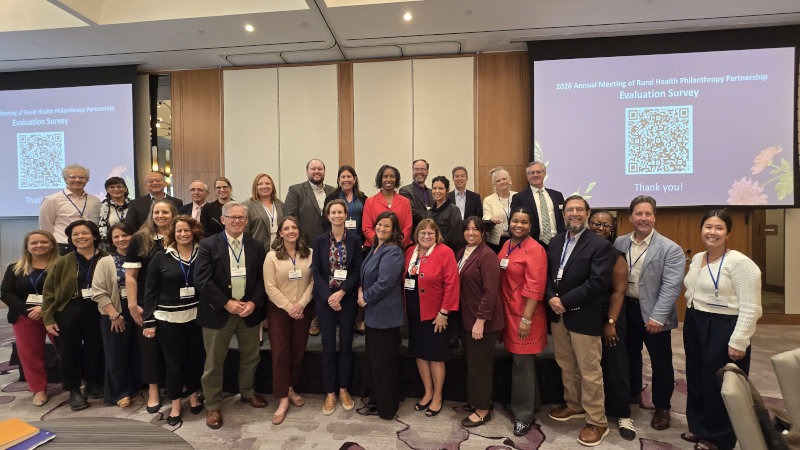
Make Connections to Create a Movement for Rural Health
On Thursday, September 24, the Annual Meeting of the Rural Health Philanthropy Partnership kicked off in downtown Bethesda, MD. Selected highlights from the convening’s first day setting the stage for a full day of sessions and networking opportunities centered on how collaboration can build on progress already underway in rural and tribal communities, including rural health transformation efforts.

NJ SNIP: Supporting Behavioral Health Access Through Trust-based Grantmaking
Amid shifting federal health care funding, grants that enable health care safety net entities to respond to the changing landscape can unlock immense value. This form of grantmaking puts daily program-related decisions in the hands of people doing the work, allowing organizations to develop and sustain staff positions, workflows, and programs that reflect their priorities.

Leaning Into Radical Collaboration Will Advance Your Focused Mission
At this year’s GIH annual conference, I found myself surrounded by hundreds of philanthropic leaders deeply committed to improving the health and well-being of their communities. Again and again, I met funders whose work was grounded in a particular place, population, or issue. These funders know their communities intimately. They understand local history, relationships, and the needs of their communities. Their focus is one of their greatest strengths.
GIH Health Policy Update Newsletter
An Exclusive Resource for Funding Partners
The Health Policy Update is a newsletter produced in collaboration with Leavitt Partners and Trust for America’s Health. Drawing on GIH’s policy priorities outlined in our policy agenda and our strategic objective of increasing our policy and advocacy presence, the Health Policy Update provides GIH Funding Partners with a range of federal health policy news.
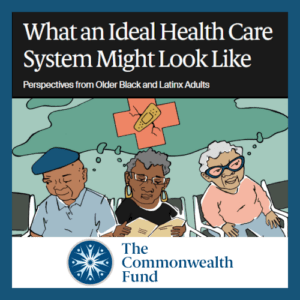
What an Ideal Health Care System Might Look Like: Perspectives from Older Black and Latinx Adults
A new research publication from The Commonwealth Fund, “What an Ideal Health Care System Might Look Like: Perspectives from Older Black and Latinx Adults,” examines what health care should do to better respect people’s identities, health needs, and preferences.
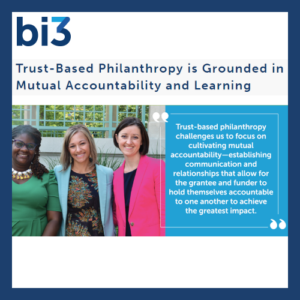
bi3 Article: Trust-Based Philanthropy is Grounded in Mutual Accountability and Learning
A new article shows how applying a trust-based philanthropy lens helps funders capture the full impact of grants, describes how bi3 evaluates initiatives, and how building funder-grantee relationships grounded in power-sharing, transparency, and mutual accountability helps achieve greater impact.

2022 Call for GIH Board Nominations
Grantmakers In Health (GIH), an educational organization serving staff, executives, and trustees of foundations and corporate giving programs working in the health field, is seeking nominations for its board of directors for terms beginning in March 2023.
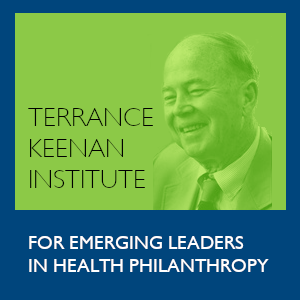
2022 Terrance Keenan Institute Fellows Named
GIH is delighted to announce the 2022 Terrance Keenan Institute for Emerging Leaders in Health Philanthropy class of fellows.
Reconnecting and Recommitting to a Future Focused on Better Health for All through Better Philanthropy
Much has changed since Grantmakers In Health (GIH) last convened in 2019. Over the past three years, more than 1 million Americans have lost their lives due to COVID-19. Large cracks are apparent in our public health infrastructure, health care systems, and safety net programs. In addition, pervasive inequities across all facets of society have increased. The country is divided, and this division continues to hamper our ability to address one of the greatest health challenges our modern world has ever faced.

Reflecting on the Intersections Initiative
For organizations like the St. Joseph Community Partnership Fund (the Fund) and Prevention Institute (PI), GIH conferences have served as a critical space to bring together advocates across sectors and spark new ideas to address complex health issues. Inspired by a PI-led session on upstream prevention and health equity at GIH’s March 2016 annual conference, the Fund noted the promising landscape for a grantmaking initiative that could focus on root causes of poor health and dismantling systems of inequity, and a partnership was born.