Submit a Session Proposal for the 2027 GIH Annual Conference on Health Philanthropy
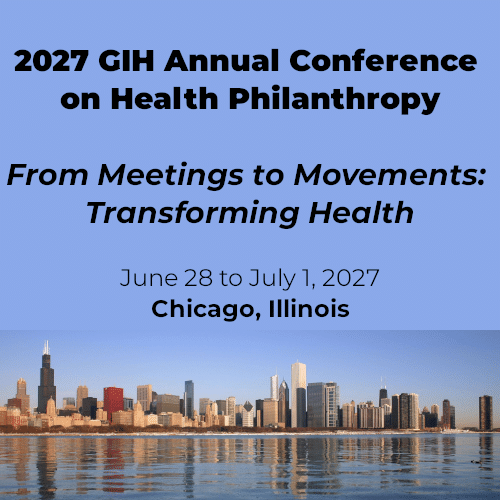
We invite you to submit a session proposal for the 2027 Grantmakers In Health (GIH) Annual Conference on Health Philanthropy, From Meetings to Movements: Transforming Health, which will be held in person in Chicago, Illinois, from June 28 to July 1, 2027. From Meetings to Movements: Transforming Health Forty-five years ago, a small group of…
Make Connections to Create a Movement for Rural Health
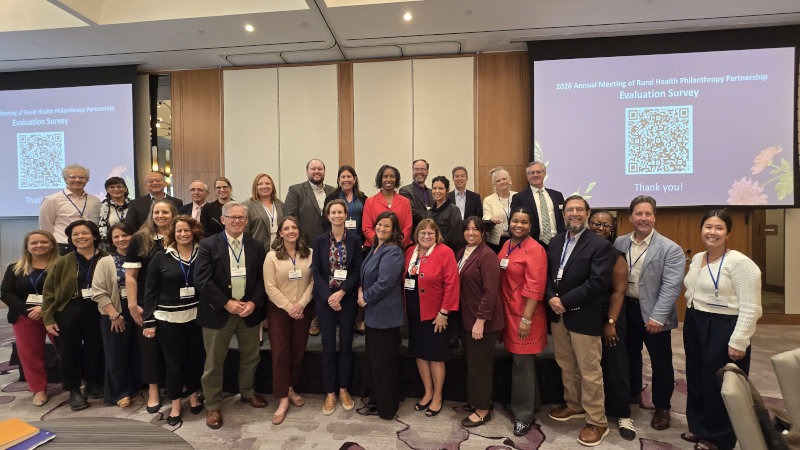
On Thursday, September 24, the Annual Meeting of the Rural Health Philanthropy Partnership kicked off in downtown Bethesda, MD. Selected highlights from the convening’s first day setting the stage for a full day of sessions and networking opportunities centered on how collaboration can build on progress already underway in rural and tribal communities, including rural health transformation efforts.

NJ SNIP: Supporting Behavioral Health Access Through Trust-based Grantmaking
Amid shifting federal health care funding, grants that enable health care safety net entities to respond to the changing landscape can unlock immense value. This form of grantmaking puts daily program-related decisions in the hands of people doing the work, allowing organizations to develop and sustain staff positions, workflows, and programs that reflect their priorities.

Leaning Into Radical Collaboration Will Advance Your Focused Mission
At this year’s GIH annual conference, I found myself surrounded by hundreds of philanthropic leaders deeply committed to improving the health and well-being of their communities. Again and again, I met funders whose work was grounded in a particular place, population, or issue. These funders know their communities intimately. They understand local history, relationships, and the needs of their communities. Their focus is one of their greatest strengths.
GIH Health Policy Update Newsletter
An Exclusive Resource for Funding Partners
The Health Policy Update is a newsletter produced in collaboration with Leavitt Partners and Trust for America’s Health. Drawing on GIH’s policy priorities outlined in our policy agenda and our strategic objective of increasing our policy and advocacy presence, the Health Policy Update provides GIH Funding Partners with a range of federal health policy news.
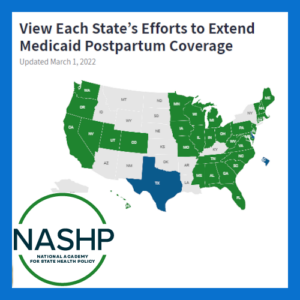
View Each State’s Efforts to Extend Medicaid Postpartum Coverage
The National Academy of State Health Policy has recently updated its tracking of states’ efforts to extend Medicaid postpartum coverage. Extending services for new mothers is a key step toward improving health outcomes and health equity for children and their family members. About 34 states and the District of Columbia have taken steps toward extending at least some coverage beyond current limits.

Perinatal Safe Zone: Supporting Women-led Birth Equity Work
We believe that creating a Perinatal Safe Zone will require multisector mobilization at the regional level. A mobilization at this level will require participation from hospitals, legislators, and state agencies, while centering Black and Brown led organizations and leaders working to achieve stable and affordable quality housing; welcoming, flexible, and equitable workspaces, with paid parental leave and universal child care services; a just food system; safe and walkable neighborhoods; a caring and supportive network of community members; and access to holistic and culturally congruent wellness practices.

Less Criminalization = Better Health + More Justice
Last year, New York State passed the most sweeping parole reform measure in the country. The Less Is More Community Supervision Revocation Reform Act has far-reaching implications for the health and liberty of tens of thousands of people every year, by making critical changes in how the state handles noncriminal violations of parole conditions.


Health Foundation of Central Massachusetts: March 2022
The Activation Fund supports discrete, one-year projects in Central Massachusetts that demonstrate creative and innovative approaches to addressing community health concerns and that move an organization to its next level of capacity and effectiveness, which can be sustained beyond the term of the grant.
Blue Cross Blue Shield of Massachusetts Foundation: March 2022
A limited number of non-renewable one-year grants of up to $50,000 will support nonprofits seeking to positively impact health or health care access for Massachusetts residents who have been economically, socially, ethnically, or racially marginalized.