
Contribute to the Philanthropic Growth and Impact Fund
Explore Philanthropic Growth and Impact Topics





Latest Resources

A Compass of Indispensable Leadership Attributes to Guide Health Philanthropy
Trends in leadership are changing—just take the Terrance Keenan Institute as an example. When the program started in 2010, it focused on general leadership tactics with topics that ranged from leveraging resources and building partnerships to board dynamics. Since then, the Institute’s curriculum has moved towards a recognition that leaders possess individual strengths that can be embraced to make our organizations and the broader field of health philanthropy more effective.

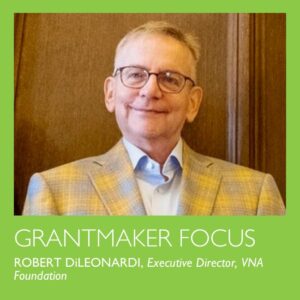
VNA Foundation
“There is never a shortage of needs in the communities we serve, but the health-related issues during the past few years have challenged our team to think creatively, expansively, and collaboratively. We believe private philanthropy should take risks and implement strategies to meet immediate health needs more efficiently and effectively. Being part of a community like GIH—which allows for the sharing of ideas, successes, and lessons learned—has been invaluable.”
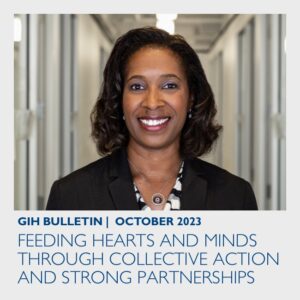
Feeding Hearts and Minds through Collective Action and Strong Partnerships
Grantmakers In Health began 2023 by announcing an ambitious set of health policy priorities supporting four key goals—to advance health equity and social justice, to expand health care access and improve quality of care, to improve population health, and to promote community engagement and empowerment.
Reports and Publications

GIH Bulletin: March 2026
Grantmakers In Health’s Maya Schane spoke with Stephanie Teleki of The California Health Care Foundation, Laila Bell of The Skillman Foundation, and Jaime Vazquez of The Pew Charitable Trusts about their recently published article in The Foundation Review, “When Shift Happens: Navigating Toward a Framework for Responsible Philanthropic Exits.”
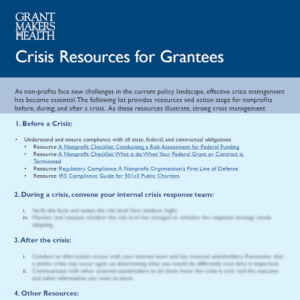
Crisis Resources for Grantees
As non-profits face new challenges in the current policy landscape, effective crisis management has become essential. This Grantmakers In Health toolkit provides resources and action steps for grantee nonprofits before, during, and after a crisis.
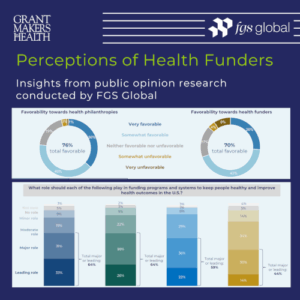
Survey Findings: Perceptions of Health Funders
In July and August 2025, Grantmakers In Health (GIH) conducted research to help health funders better understand how they are viewed by the public. The research included an online survey of engaged voters nationwide and an online focus group with Washington, DC, policy professionals.
An overview of the survey and online focus group findings is now available to all GIH Funding Partners. In addition, this overview was presented on Thursday, November 20, 2025, at the 2025 GIH Health Policy Exchange in Arlington, VA.

Trustee Resources
Explore this page to browse resources, publications, and events related to foundation trustees.