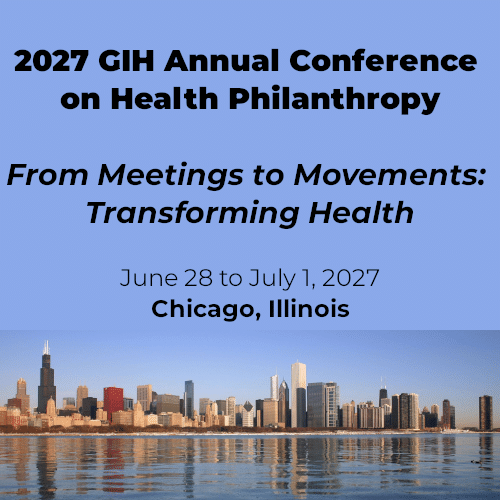
Submit a Session Proposal for the 2027 GIH Annual Conference on Health Philanthropy
We invite you to submit a session proposal for the 2027 Grantmakers In Health (GIH) Annual Conference on Health Philanthropy, From Meetings to Movements: Transforming Health, which will be held in person in Chicago, Illinois, from June 28 to July 1, 2027. From Meetings to Movements: Transforming Health Forty-five years ago, a small group of…
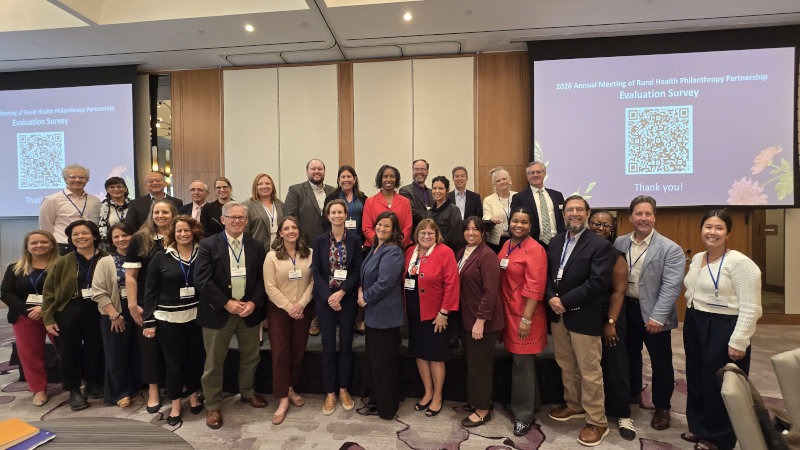
Make Connections to Create a Movement for Rural Health
On Thursday, September 24, the Annual Meeting of the Rural Health Philanthropy Partnership kicked off in downtown Bethesda, MD. Selected highlights from the convening’s first day setting the stage for a full day of sessions and networking opportunities centered on how collaboration can build on progress already underway in rural and tribal communities, including rural health transformation efforts.

NJ SNIP: Supporting Behavioral Health Access Through Trust-based Grantmaking
Amid shifting federal health care funding, grants that enable health care safety net entities to respond to the changing landscape can unlock immense value. This form of grantmaking puts daily program-related decisions in the hands of people doing the work, allowing organizations to develop and sustain staff positions, workflows, and programs that reflect their priorities.

Leaning Into Radical Collaboration Will Advance Your Focused Mission
At this year’s GIH annual conference, I found myself surrounded by hundreds of philanthropic leaders deeply committed to improving the health and well-being of their communities. Again and again, I met funders whose work was grounded in a particular place, population, or issue. These funders know their communities intimately. They understand local history, relationships, and the needs of their communities. Their focus is one of their greatest strengths.
GIH Health Policy Update Newsletter
An Exclusive Resource for Funding Partners
The Health Policy Update is a newsletter produced in collaboration with Leavitt Partners and Trust for America’s Health. Drawing on GIH’s policy priorities outlined in our policy agenda and our strategic objective of increasing our policy and advocacy presence, the Health Policy Update provides GIH Funding Partners with a range of federal health policy news.
The 2020 DAPP Report – Change Philanthropy
Change Philanthropy has released its 2020 Diversity Among Philanthropic Professionals Report that analyzes the philanthropic workforce and identifies trends and gaps in diversity and inclusion in philanthropy. Over 2,300 individuals, including staff and board members, from 124 foundations participated through an anonymous, self-reported survey. The report covers diversity and representation across multiple areas including race/ethnicity, sexual orientation, gender, and immigration status, and highlights differences by geographical regions in the US.
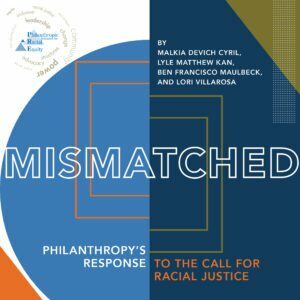
Mismatched: Philanthropy’s Response to the Call for Racial Justice
The Philanthropic Initiative for Racial Equity (PRE) latest report, Mismatched: Philanthropy’s Response to the Call for Racial Justice, is an in-depth and comprehensive analysis of racial equity and racial justice funding. The analysis found that while overall funding and the number of funders supporting racial equity and racial justice work increased over the past decade, it is still a small proportion compared to overall funding priorities.
Now is the Time: Acting Today Will Ensure We Have A Strong Health Workforce Tomorrow
The need to develop and implement a comprehensive integrated plan to address our health workforce grows stronger every day. As some communities experience their highest COVID-19 case rate since the start of the pandemic, with providers and public health workers stretched to the breaking point, we must also devote time and resources to ensure that we have a highly trained, diverse health care and public health workforce to meet our future health needs.
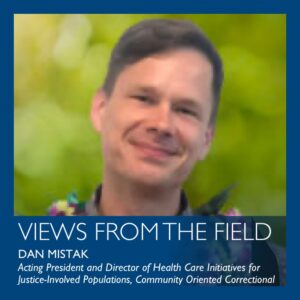
The Unseen Provider: COVID-19 Reveals the Hidden Link between Correctional and Community Care
COVID-19 has had disproportionate impact on justice-involved people because health and justice systems maintain discrete siloes due to longstanding policies. These policies create structural barriers to an integrated response to people living at the intersection of these two systems. Focusing resources in this overlooked area provides an excellent opportunity for a return on investment for grantmakers seeking to make impactful change.


Early Childhood Funders Collaborative: September 2021
Early Childhood Funders Collaborative (ECFC) developed the Championing Equity for Children in Our Communities Toolkit which will help funders understand the makeup of their communities and in turn, provide greater support for the children in immigrant families who comprise them.