
Getting in Formation: Working Together to Build Healthy Communities
From breakout sessions to quick takes and wellness activities to two inspiring plenary sessions, every corner during day two of the Grantmakers In Health (GIH) Annual Conference on Health Philanthropy, Life, Liberty, and the Pursuit of Health was filled with conversation and connection. The day’s agenda focused on how funders can find and use their voices to stand up in this moment of change, including doubling down on their values; taking bigger, bolder risks alongside grantees; and seeking partnerships spanning the private and public sectors.
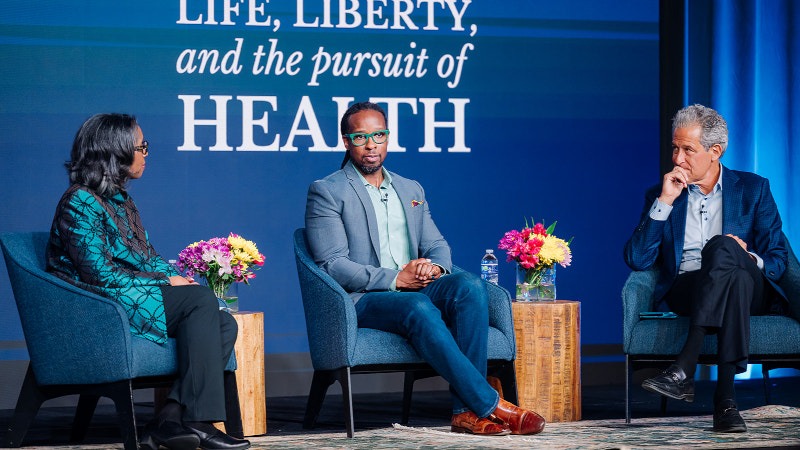
Life, Liberty, and the Pursuit of Health in Action
Life, Liberty, and the Pursuit of Health is more than this year’s Annual Conference on Health Philanthropy theme; it is the foundation for every planned session, unexpected learning moment, and conversation in Baltimore from June 8-11. The pre-conference kicked off with a range of discussions centered on the theme, including the state of Medicaid after H.R. 1, the connection between democracy and better health outcomes, and collaborations in public health funding.
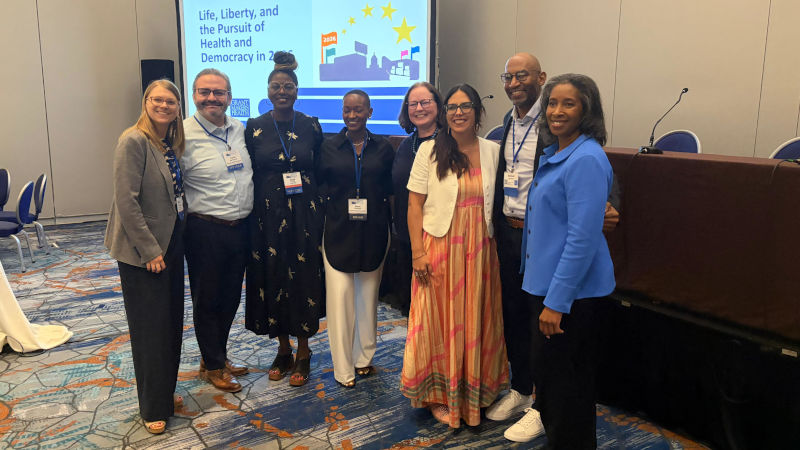
Health Philanthropy Working at the Intersections Between Critical Issues
Life, Liberty, and the Pursuit of Health is more than this year’s Annual Conference on Health Philanthropy theme; it is the foundation for every planned session, unexpected learning moment, and conversation in Baltimore from June 8-11. The pre-conference kicked off with a range of discussions centered on the theme, including the state of Medicaid after H.R. 1, the connection between democracy and better health outcomes, and collaborations in public health funding.
GIH Health Policy Update Newsletter
The Latest
An Exclusive Resource for Funding Partners
The Health Policy Update is a newsletter produced in collaboration with Leavitt Partners and Trust for America’s Health. Drawing on GIH’s policy priorities outlined in our policy agenda and our strategic objective of increasing our policy and advocacy presence, the Health Policy Update provides GIH Funding Partners with a range of federal health policy news.

RRF Foundation for Aging: March 2021
RRF Foundation for Aging is accepting proposal applications for its next grant cycle. The deadline is May 1, 2021.
The Rita and Alex Hillman Foundation: March 2021
The Rita and Alex Hillman Foundation’s 2021 Hillman Innovations in Care (HIC) program will issue a special call for proposals that focus on racism and its impact on health.

Well Being Trust: March 2021
The Institute for Healthcare Improvement (IHI) released “A Guide for Health Systems to Save Lives from ‘Deaths of Despair’ and Improve Community Well-Being.” IHI partnered with Well Being Trust to evolve a set of recommendations and guidance for health care systems to improve mental health and well-being in the communities they serve, focusing specifically on saving lives from deaths of despair.
New York State Health Foundation: March 2021
Using survey data from the U.S. Census Bureau, a new New York State Health Foundation (NYSHealth) report analyzes mental health in New York State during the pandemic.
Montana Healthcare Foundation: March 2021
Montana Healthcare Foundation created two new reports that look at Medicaid’s impact on the health and economy.
Episcopal Health Foundation: March 2021
According to a new report sponsored by the Episcopal Health Foundation, significant pre-existing health differences for Black and Hispanic residents in Texas are leading to higher COVID-19 death rates, plus billions of dollars of increased health care spending and lost work productivity.