
GIH Joins Amicus Brief Opposing New Citizenship Verification Requirements
GIH joined organizations filing an amicus brief for the case brought by NY and other states seeking to stop the administration’s attempt to expand citizenship verification requirements under the Personal Responsibility and Work Opportunity Reconciliation Act of 1996 for programs administered by the Departments of Health and Human Services, Agriculture, Education, Housing and Urban Development, Labor, and Justice.
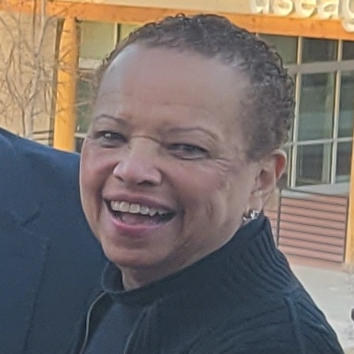
Remembering Patricia Mathews, Founding President and CEO of Northern Virginia Health Foundation
Grantmakers In Health (GIH) is saddened to learn of the recent passing of Patricia Mathews, a longtime fixture in health philanthropy and a former member of the GIH board of directors. Please join us in celebrating Patricia Mathews’ memory, as well as her many contributions to the field of health philanthropy and GIH.
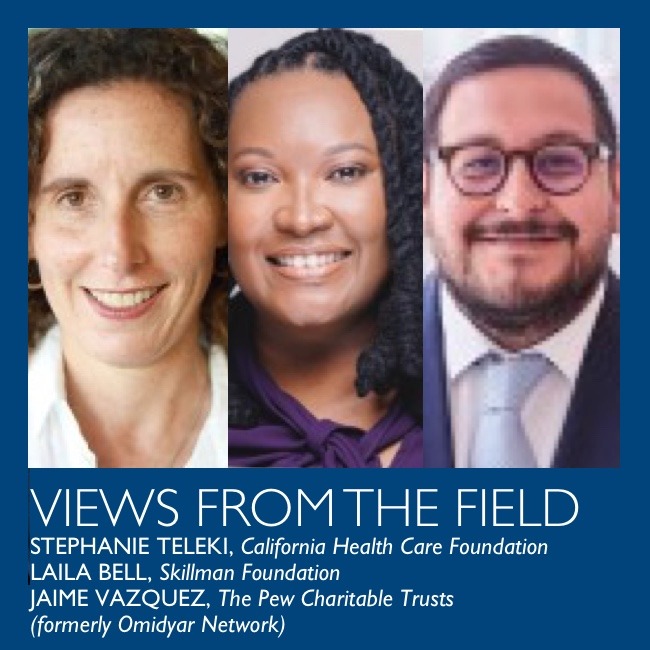
Responsible Exits: Insights from Three Funders
Grantmakers In Health’s Maya Schane spoke with Stephanie Teleki of The California Health Care Foundation, Laila Bell of The Skillman Foundation, and Jaime Vazquez of The Pew Charitable Trusts about their recently published article in The Foundation Review, “When Shift Happens: Navigating Toward a Framework for Responsible Philanthropic Exits.”
GIH Health Policy Update Newsletter
The Latest
An Exclusive Resource for Funding Partners
The Health Policy Update is a newsletter produced in collaboration with Leavitt Partnersi and Trust for America’s Health. Drawing on GIH’s policy priorities outlined in our policy agenda and our strategic objective of increasing our policy and advocacy presence, the Health Policy Update provides GIH Funding Partners with a range of federal health policy news.

Philanthropy @ Work – Grants and Programs – July 2025
The latest on grants and programs from the field.
Courageous Action for the Health of Our Communities
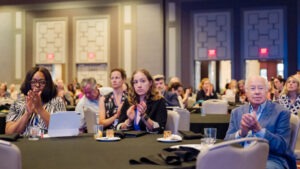
The final day of the 2025 Annual Conference on Health Philanthropy focused on milestone moments in health like the 20th anniversary of Hurricane Katrina and elevated the philanthropic partnerships already inspiring a better tomorrow. While much of the conference was spent reflecting, today was marked by action and what comes next: standing firm in values, being courageous, and co-creating a vision for the future.

Reimagining Health Philanthropy, Together
During Day 2 of the 2025 Annual Conference on Health Philanthropy, attendees across sectors worked together to identify the intersections of their work and co-created solutions for healthier, thriving communities. Sessions spanned a wide range of topics, from exploring business’ role in health equity to strategies for supporting staff in uncertain times.

Remarks on Defending Philanthropy’s Freedom to Give
President and CEO of Grantmakers In Health (GIH), Cara V. James, delivered opening remarks at the 2025 GIH Annual Conference on Health Philanthropy in New Orleans.

Building a Collaborative Vision of the Future
Today, over 840 funders and thought leaders, representing 440 organizations, gathered in New Orleans for the largest Annual Conference on Health Philanthropy ever. Conference attendees started the day with site visits around the Crescent City and newcomer and networking lunches, rooting the week ahead in connections with the New Orleans community and each other.