
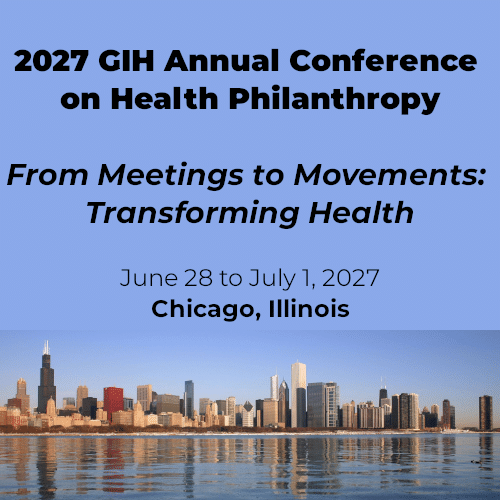
Submit a Session Proposal for the 2027 GIH Annual Conference on Health Philanthropy
We invite you to submit a session proposal for the 2027 Grantmakers In Health (GIH) Annual Conference on Health Philanthropy, From Meetings to Movements: Transforming Health, which will be held in person in Chicago, Illinois, from June 28 to July 1, 2027. From Meetings to Movements: Transforming Health Forty-five years ago, a small group of…
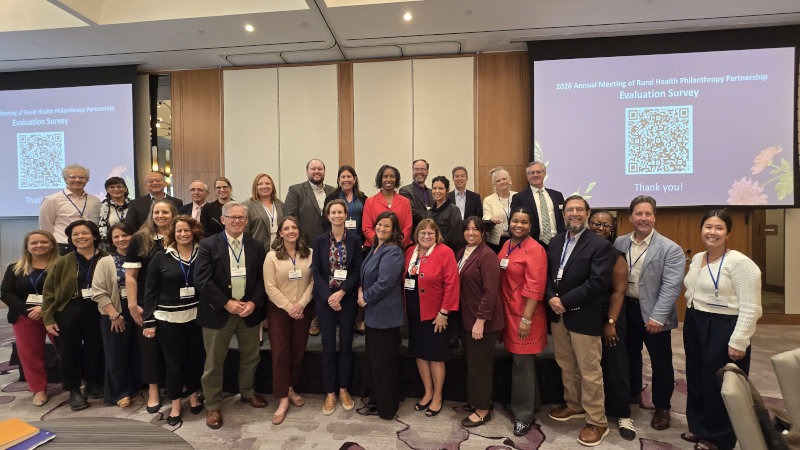
Make Connections to Create a Movement for Rural Health
On Thursday, September 24, the Annual Meeting of the Rural Health Philanthropy Partnership kicked off in downtown Bethesda, MD. Selected highlights from the convening’s first day setting the stage for a full day of sessions and networking opportunities centered on how collaboration can build on progress already underway in rural and tribal communities, including rural health transformation efforts.

NJ SNIP: Supporting Behavioral Health Access Through Trust-based Grantmaking
Amid shifting federal health care funding, grants that enable health care safety net entities to respond to the changing landscape can unlock immense value. This form of grantmaking puts daily program-related decisions in the hands of people doing the work, allowing organizations to develop and sustain staff positions, workflows, and programs that reflect their priorities.

Leaning Into Radical Collaboration Will Advance Your Focused Mission
At this year’s GIH annual conference, I found myself surrounded by hundreds of philanthropic leaders deeply committed to improving the health and well-being of their communities. Again and again, I met funders whose work was grounded in a particular place, population, or issue. These funders know their communities intimately. They understand local history, relationships, and the needs of their communities. Their focus is one of their greatest strengths.
GIH Health Policy Update Newsletter
An Exclusive Resource for Funding Partners
The Health Policy Update is a newsletter produced in collaboration with Leavitt Partners and Trust for America’s Health. Drawing on GIH’s policy priorities outlined in our policy agenda and our strategic objective of increasing our policy and advocacy presence, the Health Policy Update provides GIH Funding Partners with a range of federal health policy news.
Grantmakers In Health’s Partnership with Sustainable Agriculture and Food Systems Funders Highlighted in Inside Philanthropy Article
Due to cuts to the Supplemental Nutrition Assistance Program (SNAP) in H.R.1, along with the program’s suspension during the longest government shutdown in American history, Grantmakers in Health (GIH) is partnering with Sustainable Agriculture and Food Systems Funders (SAFSF) on a funder working group to coordinate philanthropy’s response. This partnership, along with SAFSF’s broader work, was highlighted in a November 13, 2025 Inside Philanthropy article. In the piece, Clare Fox, SAFSF’s…

Roles for Philanthropy as Medicaid Changes Take Effect
For those of us who have worked toward health equity, who have spent the past few years building toward incremental gains and pushing for larger change, the events of this year can feel like one big backslide. At times, it’s overwhelming. Yet this is not the time to get bogged down by the size of the challenge or by analysis paralysis. From where I sit, I see five roles that philanthropy can play in the rollout of changes to Medicaid.

Acting with Urgency: Stupski Foundation Accelerates Its Spend-Down Grantmaking
In this interview, Grantmakers In Health’s Maya Schane spoke with Dan Tuttle and Sulma Gandhi of the Stupski Foundation about the foundation’s spend-down strategy and acceleration of grantmaking in 2025 in response to federal policy changes.

Practicing What We Preach: Three Tips for Putting Equity at the Heart of a Successful Application Process
Every step of the grant application process
— from initial outreach to final award notification — provides opportunities for funders to either reinforce inequities or dismantle them. The grant application process is often the first barrier that organizations encounter when seeking funding. If designed without an intentional focus on equity, the application process can advantage well-resourced organizations, while disadvantaging equally or better qualified organizations that have fewer resources.

Protecting Children’s Access to Health Care in Schools: The Impact of Medicaid Cuts on School Health Services
“Due to the remote area we serve, our students have little to no access to medical services otherthan those provided in schools.”—Superintendent from a rural school district in Michigan. Schools are essential places for children to access health services. An estimated 40 percent ofschool-aged children have at least one chronic health condition (National Survey of Children’sHealth, 2019). Among low-income children with special health careneeds, approximately 87percent do not receive necessary care, primarily due to financial costs and limited access (Childand Adolescent Health Measurement Initiative, 2022). Providing health care at school, where children spend most of their days, is crucial to addressing these concerns.
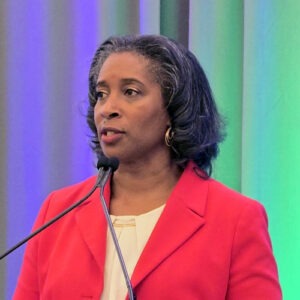
Closing Remarks: 2025 Health Policy Exchange
President and CEO of Grantmakers In Health (GIH), Cara V. James, delivered closing remarks at the 2025 Health Policy Exchange, “Protecting the Freedom to Give” in Arlington, Virginia.