
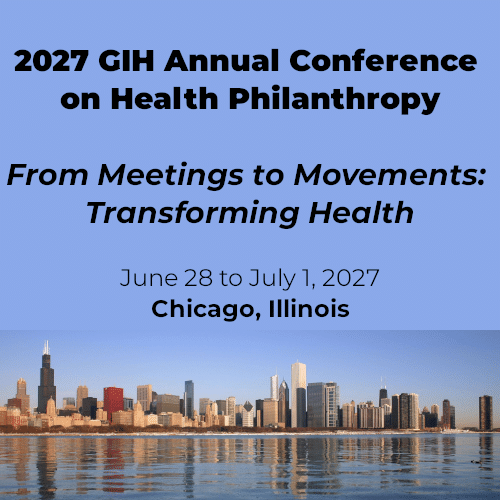
Submit a Session Proposal for the 2027 GIH Annual Conference on Health Philanthropy
We invite you to submit a session proposal for the 2027 Grantmakers In Health (GIH) Annual Conference on Health Philanthropy, From Meetings to Movements: Transforming Health, which will be held in person in Chicago, Illinois, from June 28 to July 1, 2027. From Meetings to Movements: Transforming Health Forty-five years ago, a small group of…
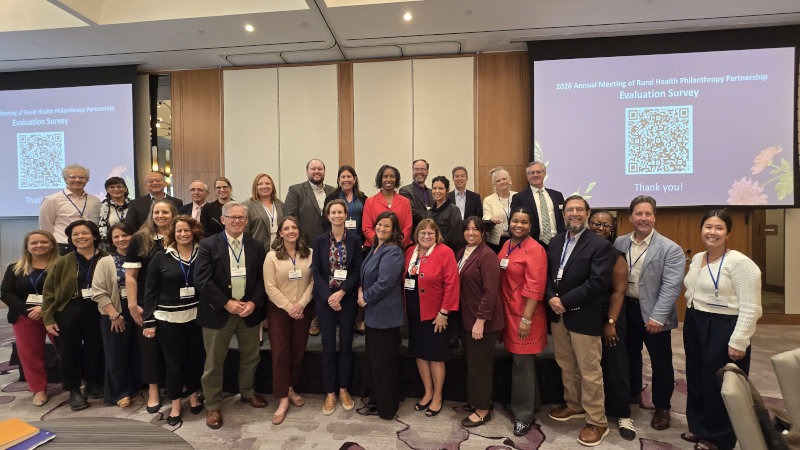
Make Connections to Create a Movement for Rural Health
On Thursday, September 24, the Annual Meeting of the Rural Health Philanthropy Partnership kicked off in downtown Bethesda, MD. Selected highlights from the convening’s first day setting the stage for a full day of sessions and networking opportunities centered on how collaboration can build on progress already underway in rural and tribal communities, including rural health transformation efforts.

NJ SNIP: Supporting Behavioral Health Access Through Trust-based Grantmaking
Amid shifting federal health care funding, grants that enable health care safety net entities to respond to the changing landscape can unlock immense value. This form of grantmaking puts daily program-related decisions in the hands of people doing the work, allowing organizations to develop and sustain staff positions, workflows, and programs that reflect their priorities.

Leaning Into Radical Collaboration Will Advance Your Focused Mission
At this year’s GIH annual conference, I found myself surrounded by hundreds of philanthropic leaders deeply committed to improving the health and well-being of their communities. Again and again, I met funders whose work was grounded in a particular place, population, or issue. These funders know their communities intimately. They understand local history, relationships, and the needs of their communities. Their focus is one of their greatest strengths.
GIH Health Policy Update Newsletter
An Exclusive Resource for Funding Partners
The Health Policy Update is a newsletter produced in collaboration with Leavitt Partners and Trust for America’s Health. Drawing on GIH’s policy priorities outlined in our policy agenda and our strategic objective of increasing our policy and advocacy presence, the Health Policy Update provides GIH Funding Partners with a range of federal health policy news.

Kate B. Reynolds Charitable Trust: October 2025
Three new fact sheets inform funders about how recent federal budget cuts will impact health care access, food assistance, and the health of immigrant families. The fact sheets detail what is being cut, when the cuts will take effect, and what to do next.
Blue Cross Blue Shield of Massachusetts: October 2025
This new report “Behavioral Health Professional Licensure in Massachusetts: Existing Barriers and Opportunities to Advance Diversity in the Workforce” documents the licensing requirements for behavioral health providers in Massachusetts, describes the barriers to licensure for clinicians from underrepresented populations, and outlines potential solutions.
Philanthropy @ Work – Grants and Programs – October 2025
The latest on grants and programs from the field.

Responding to a Rural Hospital Closure: The Importance of a Phased, Multi-Pronged Approach
It has been over a year since the August 31, 2024, closure of a beloved community hospital in Ayer, Massachusetts following the bankruptcy of the private equity-backed Steward Health Care system. The impacts of the Nashoba Valley Medical Center closure continue to reverberate across this rural working-class region, adding to a growing sense of abandonment and frustration that has accumulated over waves of health care service cuts.

The Role of Health Philanthropy in Improving Maternal Health for Underserved Populations
Although the United States is a high-income nation, it experiences a significant burden of maternal mortality incidence relative to other countries. In 2023, non-expansion Medicaid states had 27.7 percent higher pregnancy-related deaths than expansion states. The COVID-19 pandemic also exacerbated racial disparities in pregnancy-related deaths. Historically, marginalized populations, including low-income populations and Black and Indigenous communities are more vulnerable to preventable pregnancy-related deaths.

Designing Inclusive and Equity-Centered Health System Improvement Projects—Lessons from Three Initiatives
Disparities in access to health care persist for individuals with low incomes and Black, Hispanic/Latinx and Native American/Native Alaskan individuals and are particularly acute in behavioral health. Behavioral health care utilization rates among Black, Hispanic, and Asian adults are less than half those of White adults. These disparities exist because of barriers in access such as limited provider networks, poor language access, a lack of culturally-aligned services, and technological barriers to telehealth. Working with health providers to create inclusive and accessible services is essential to building more equitable access to behavioral health care, and to healthier and happier families and communities.