Submit a Session Proposal for the 2027 GIH Annual Conference on Health Philanthropy
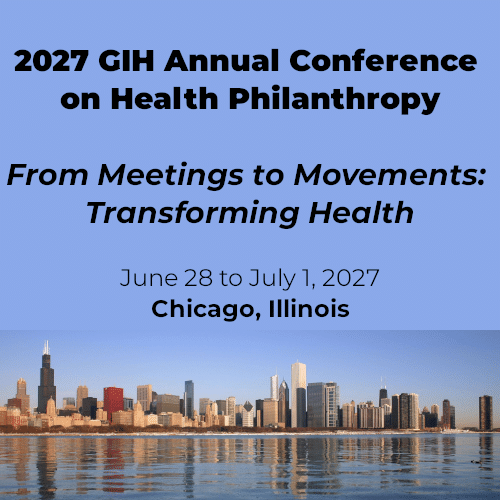
We invite you to submit a session proposal for the 2027 Grantmakers In Health (GIH) Annual Conference on Health Philanthropy, From Meetings to Movements: Transforming Health, which will be held in person in Chicago, Illinois, from June 28 to July 1, 2027. From Meetings to Movements: Transforming Health Forty-five years ago, a small group of…
Make Connections to Create a Movement for Rural Health
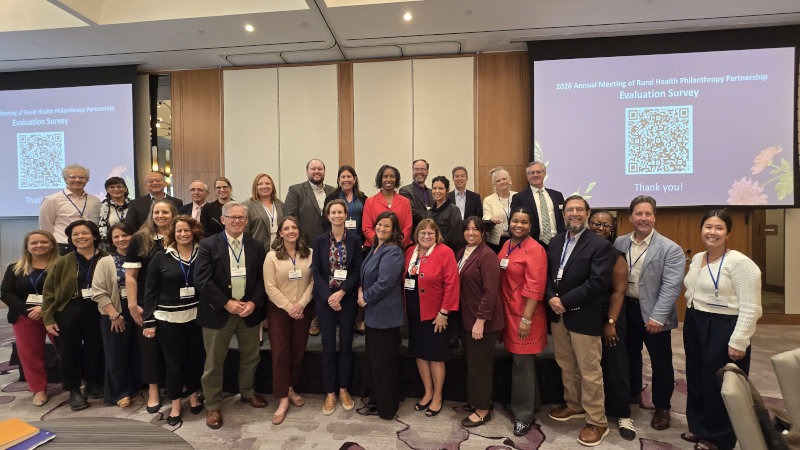
On Thursday, September 24, the Annual Meeting of the Rural Health Philanthropy Partnership kicked off in downtown Bethesda, MD. Selected highlights from the convening’s first day setting the stage for a full day of sessions and networking opportunities centered on how collaboration can build on progress already underway in rural and tribal communities, including rural health transformation efforts.

NJ SNIP: Supporting Behavioral Health Access Through Trust-based Grantmaking
Amid shifting federal health care funding, grants that enable health care safety net entities to respond to the changing landscape can unlock immense value. This form of grantmaking puts daily program-related decisions in the hands of people doing the work, allowing organizations to develop and sustain staff positions, workflows, and programs that reflect their priorities.

Leaning Into Radical Collaboration Will Advance Your Focused Mission
At this year’s GIH annual conference, I found myself surrounded by hundreds of philanthropic leaders deeply committed to improving the health and well-being of their communities. Again and again, I met funders whose work was grounded in a particular place, population, or issue. These funders know their communities intimately. They understand local history, relationships, and the needs of their communities. Their focus is one of their greatest strengths.
GIH Health Policy Update Newsletter
An Exclusive Resource for Funding Partners
The Health Policy Update is a newsletter produced in collaboration with Leavitt Partners and Trust for America’s Health. Drawing on GIH’s policy priorities outlined in our policy agenda and our strategic objective of increasing our policy and advocacy presence, the Health Policy Update provides GIH Funding Partners with a range of federal health policy news.
Quick Poll Results: Provision of General Operating Support to Grantees and Other Nonprofits
GIH’s July 2020 Quick Poll asked foundations about the provision of general operating support to help current grantees and other nonprofits weather the financial impacts of COVID-19.

Education Is Our Passport to A More Just and Equitable Future
The pandemic and ensuing social unrest have led to myriad conversations focused on how to use this moment to create a more equitable health system, rebuild our public health infrastructure, and reimagine police practices. I would encourage us to also consider this moment an opportunity to rethink our educational system, given the strong relationship between education, income, wealth, and health.

Educating Health Care Teams by the Zip Code
In 2016, the Robert Wood Johnson Foundation, Josiah Macy Jr. Foundation, Gordon and Betty Moore Foundation, and John A. Hartford Foundation envisioned a national program to support advanced practice nurse faculty members to create sustained and vibrant academic-community partnerships with the goal of improving population health in their own communities and zip codes.

Investing in Rural Communities to Achieve Health Equity
Some years ago, in reference to Georgia’s economy, the claim was made of the existence of two Georgias: one, the vibrant metropolitan areas of the state; the other, rural Georgia – described as its poor economic cousin. Today, this Two Georgias distinction applies to the growing disparities in health and health care between the metropolitan areas and rural communities, home to nearly 2 million Georgians.

Lies, Bots, and Coronavirus: Misinformation’s Deadly Impact on Health
We know social media has been awash in lies, rumors, and distortions about COVID-19 and vaccines, among many other subjects. Research has shown that bots, autonomous programs that can spread spam or a virus over a network like the internet, that operate within social media are accelerating the spread of these lies at light speed.