
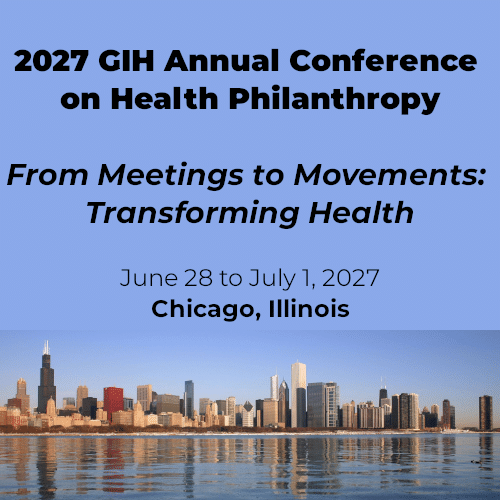
Submit a Session Proposal for the 2027 GIH Annual Conference on Health Philanthropy
We invite you to submit a session proposal for the 2027 Grantmakers In Health (GIH) Annual Conference on Health Philanthropy, From Meetings to Movements: Transforming Health, which will be held in person in Chicago, Illinois, from June 28 to July 1, 2027. From Meetings to Movements: Transforming Health Forty-five years ago, a small group of…
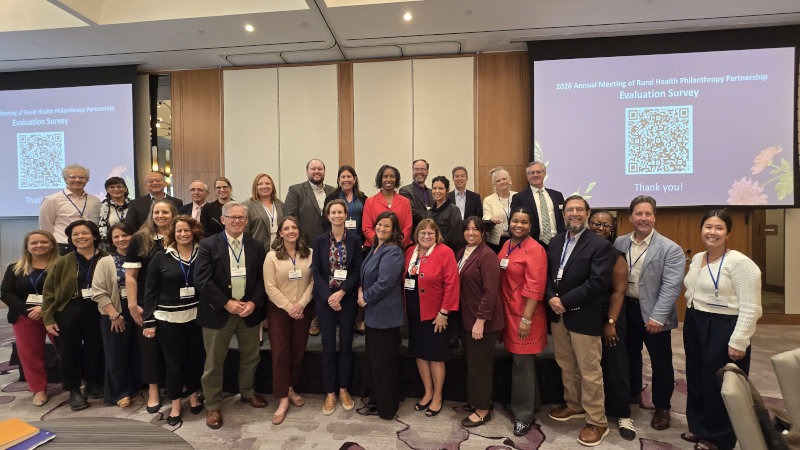
Make Connections to Create a Movement for Rural Health
On Thursday, September 24, the Annual Meeting of the Rural Health Philanthropy Partnership kicked off in downtown Bethesda, MD. Selected highlights from the convening’s first day setting the stage for a full day of sessions and networking opportunities centered on how collaboration can build on progress already underway in rural and tribal communities, including rural health transformation efforts.

NJ SNIP: Supporting Behavioral Health Access Through Trust-based Grantmaking
Amid shifting federal health care funding, grants that enable health care safety net entities to respond to the changing landscape can unlock immense value. This form of grantmaking puts daily program-related decisions in the hands of people doing the work, allowing organizations to develop and sustain staff positions, workflows, and programs that reflect their priorities.

Leaning Into Radical Collaboration Will Advance Your Focused Mission
At this year’s GIH annual conference, I found myself surrounded by hundreds of philanthropic leaders deeply committed to improving the health and well-being of their communities. Again and again, I met funders whose work was grounded in a particular place, population, or issue. These funders know their communities intimately. They understand local history, relationships, and the needs of their communities. Their focus is one of their greatest strengths.
GIH Health Policy Update Newsletter
An Exclusive Resource for Funding Partners
The Health Policy Update is a newsletter produced in collaboration with Leavitt Partners and Trust for America’s Health. Drawing on GIH’s policy priorities outlined in our policy agenda and our strategic objective of increasing our policy and advocacy presence, the Health Policy Update provides GIH Funding Partners with a range of federal health policy news.
The Final Reconciliation Package: Implementation of Key Provisions
On July 4, 2025, H.R. 1, the One Big Beautiful Bill Act, was signed into law. The implementation dates for key health care provisions in the law vary, with some taking effect immediately upon passage and others being implemented over several years. This resource details key dates for the implementation of the law’s most significant health care provisions.

Beyond the Exam Room: Impacting Health Outcomes Through Civic Engagement
August marks Civic Health Month, a time to showcase the link between voting and health and celebrate efforts that ensure every voter can support their community’s health at the ballot box. At the same time, the United States is grappling with a health care system ranked 37th globally despite consuming 17 percent of the country’s GDP. With 26 million Americans uninsured and 43 million underinsured, the gap in access to care continues to widen. This crisis will deepen as critical ACA subsidies expire at the end of 2025, potentially leaving 3.8 million more Americans without coverage, in addition to new federal cuts to Medicaid and changes to how coverage is accessed through the health insurance marketplace, which could result in as many as 20 million Americans losing their health insurance.

Protecting Ballot Measures to Protect Democracy
Access to abortion care in Ohio. The chance to support city candidates with democracy vouchers in Seattle. Promoting judicial ethics in Colorado. An $11 an hour minimum wage in Arkansas. What do these policy changes have in common? They were all enacted through the ballot initiative process, and they all support healthy, thriving communities, both in process and in outcome. But multiple states are seeing efforts to curtail the ballot measure process, limiting the voices of voters.

Pottstown Regional Community Foundation: August 2025
The Pottstown Regional Community Foundation (PRCF) will launch its 2025 Fall Grant Round. For this final grant round of the calendar year, the foundation prioritizes organizations that demonstrate clear alignment with PRCF’s Results Framework and have not yet received an award this calendar year. Competitive requests will be supported by goals stated in community and regional plans and address needs communicated in foundation or other research studies.
Philanthropy @ Work – Grants and Programs – August 2025
The latest on grants and programs from the field.