Submit a Session Proposal for the 2027 GIH Annual Conference on Health Philanthropy
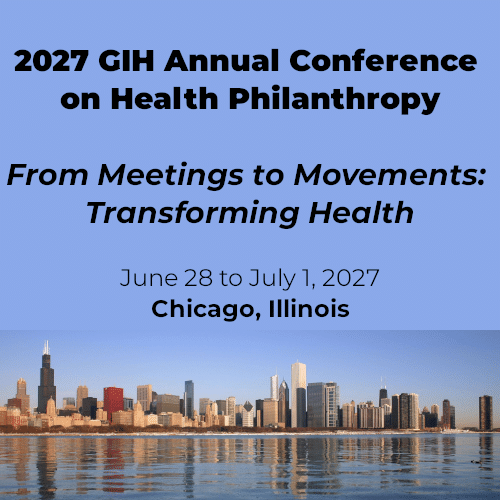
We invite you to submit a session proposal for the 2027 Grantmakers In Health (GIH) Annual Conference on Health Philanthropy, From Meetings to Movements: Transforming Health, which will be held in person in Chicago, Illinois, from June 28 to July 1, 2027. From Meetings to Movements: Transforming Health Forty-five years ago, a small group of…
Make Connections to Create a Movement for Rural Health
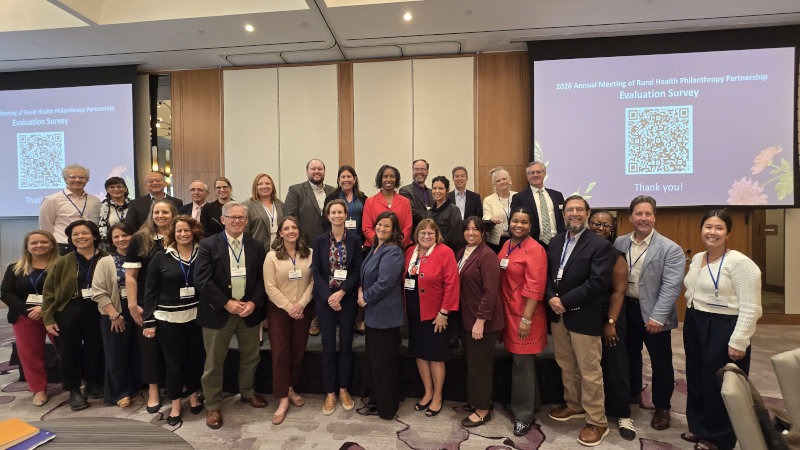
On Thursday, September 24, the Annual Meeting of the Rural Health Philanthropy Partnership kicked off in downtown Bethesda, MD. Selected highlights from the convening’s first day setting the stage for a full day of sessions and networking opportunities centered on how collaboration can build on progress already underway in rural and tribal communities, including rural health transformation efforts.

NJ SNIP: Supporting Behavioral Health Access Through Trust-based Grantmaking
Amid shifting federal health care funding, grants that enable health care safety net entities to respond to the changing landscape can unlock immense value. This form of grantmaking puts daily program-related decisions in the hands of people doing the work, allowing organizations to develop and sustain staff positions, workflows, and programs that reflect their priorities.

Leaning Into Radical Collaboration Will Advance Your Focused Mission
At this year’s GIH annual conference, I found myself surrounded by hundreds of philanthropic leaders deeply committed to improving the health and well-being of their communities. Again and again, I met funders whose work was grounded in a particular place, population, or issue. These funders know their communities intimately. They understand local history, relationships, and the needs of their communities. Their focus is one of their greatest strengths.
GIH Health Policy Update Newsletter
An Exclusive Resource for Funding Partners
The Health Policy Update is a newsletter produced in collaboration with Leavitt Partners and Trust for America’s Health. Drawing on GIH’s policy priorities outlined in our policy agenda and our strategic objective of increasing our policy and advocacy presence, the Health Policy Update provides GIH Funding Partners with a range of federal health policy news.

Policy Resource: Overview of the Executive Branch
Developed in collaboration with Leavitt Partners, this resource provides a detailed overview of the U.S. executive branch, including the White House, Cabinet, and the Department of Health and Human Services (HHS), including organizational charts of key members of the White House policy team and HHS leadership.

Humana Foundation Advances Equity Through Community-Engaged Research Practices
Grantmakers In Health’s Maya Schane spoke with Heather Hyden and Soojin Conover of the Humana Foundation about the Foundation’s recently published report, Strengthening Science and Community Impact Through Equitable Research Practices. The report examines innovative research methods adopted by the Foundation’s partners to promote health equity in public health research through community-engaged research practices.
Collaborating for Impact: Providing Trust-Based Grantmaking and Technical Assistance to Support Local Resilience to Extreme Weather Events
In the last few years, there has been an increased number of extreme weather events, including wildfires, tornadoes, hurricanes, floods and heatwaves in the United States. In 2023, the United States experienced 28 disasters that cost at least $1 billion, the largest number of billion-dollar disasters in a single year on record (Smith 2024). While some areas of the country are more susceptible to these threats, there are no regions immune to disasters. According to a recent Gallup poll, 37 percent of adults in the United States report they have been personally impacted by at least one extreme weather event in the last two years, which is higher than the 2022/2023 survey result at 33 percent.
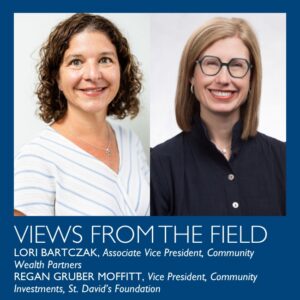
Working Through Challenges to Sharing Power With Community: Highlights from a Session at Grantmakers in Health’s Annual Conference
The people closest to the issue best know the solutions. For health funders, sharing power with community could mean giving residents a voice in shaping your grantmaking priorities or where grant dollars are spent. Many funders understand that solutions are more likely to be successful when the people who are most affected have a voice in shaping them. But when it comes to including that voice, the work often stalls before it starts.


The Blue Cross Blue Shield of Massachusetts Foundation: July 2025
The Blue Cross Blue Shield of Massachusetts Foundation announced a new grant opportunity: the Advancing Community Driven Mental Health grant program. This program will fund five community-based organizations with grants of up to $100,000 per year for two years, starting in December 2025, to improve and increase access to community based mental health services for adults experiencing mild to moderate mental health distress and practical problems of daily living, and develop the skills of a non-clinical workforce.