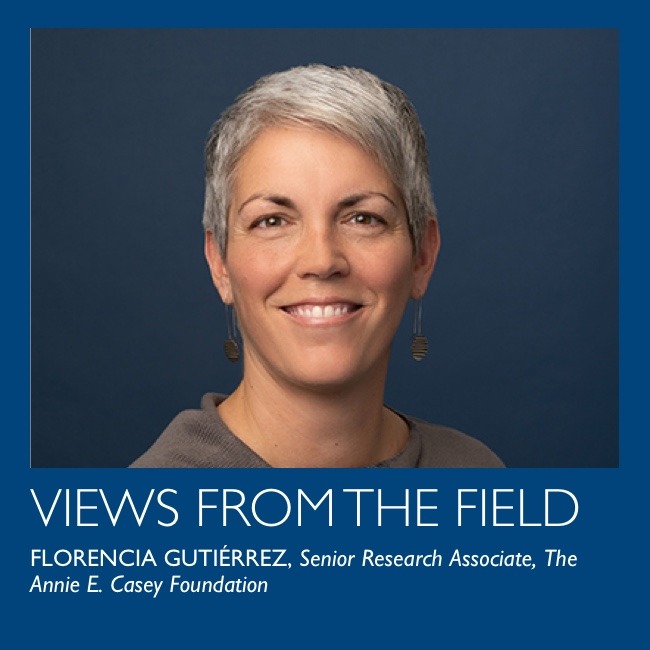
Beyond the Rankings: What Four Decades of KIDS COUNT Have Taught Me About Why Data Matter
For more than three decades, through the Annie E. Casey Foundation’s KIDS COUNT® project, decisionmakers and communities have had access to reliable national, state, and local data to improve outcomes for all children, young people, and families in this country. KIDS COUNT comprises the foundation’s national KIDS COUNT publications—the annual KIDS COUNT Data Book and periodic reports such as Race for Results; the KIDS COUNT Data Center, a resource for year-round national, state, and local data; and the KIDS COUNT Network of state-based partner organizations that help policymakers, advocates, journalists, and community leaders understand and use data to make informed decisions.
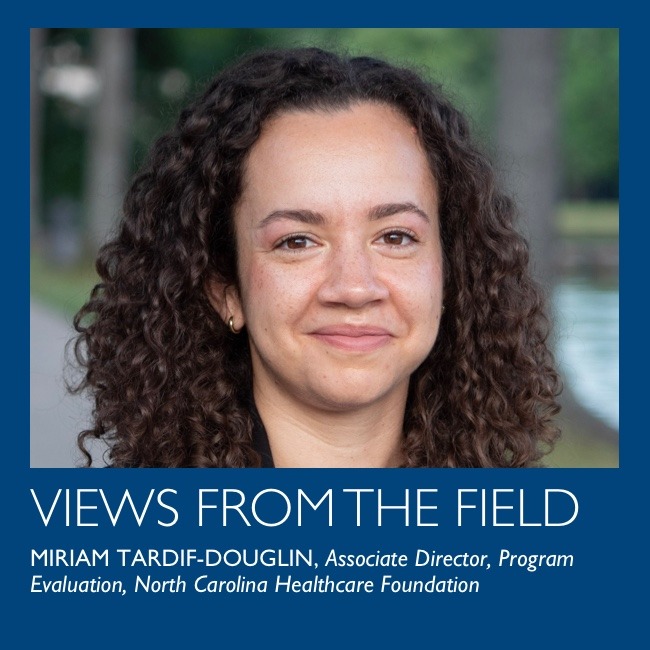
Opioid Use Disorder in Pregnancy: Countering Bias and Promoting Care
Most pregnancy-related deaths in North Carolina are preventable. Yet mental health conditions, including overdose and suicide, remain the leading cause of pregnancy-related death. For health care leaders, that reality demands a closer look at how we identify, treat, and support pregnant and postpartum patients with opioid use disorder.
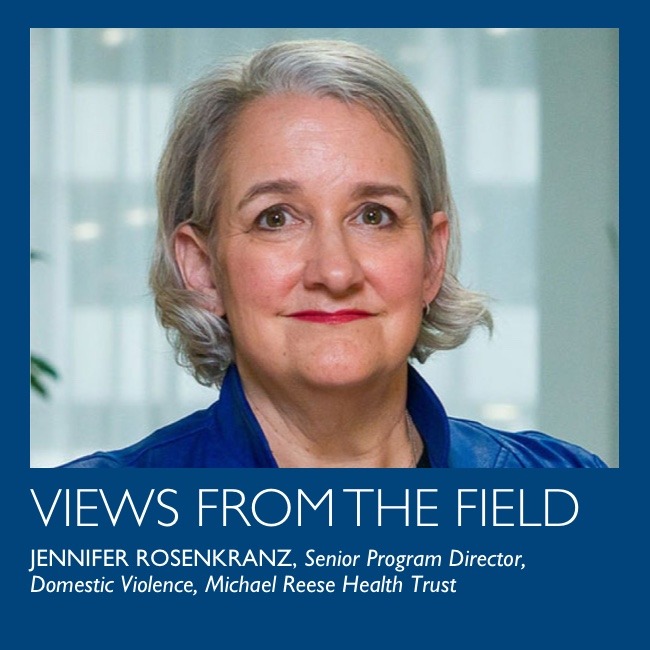
Preventing Domestic Violence by Reaching People Who Cause Harm
The research involved a landscape scan of Cook County, Illinois’ policies, funding, and services for people who cause harm with a goal of engaging the stakeholders and providers doing this work as well as survivors and those who receive services to identify barriers, challenges, and strengths of domestic violence prevention programs. The research examined Partner Abuse Intervention Programs (PAIP) in particular, a standard intervention for people who cause harm that is overseen by the Illinois Department of Human Services.
Post-Overdose Response Teams: A Community-Based Approach to Public Safety
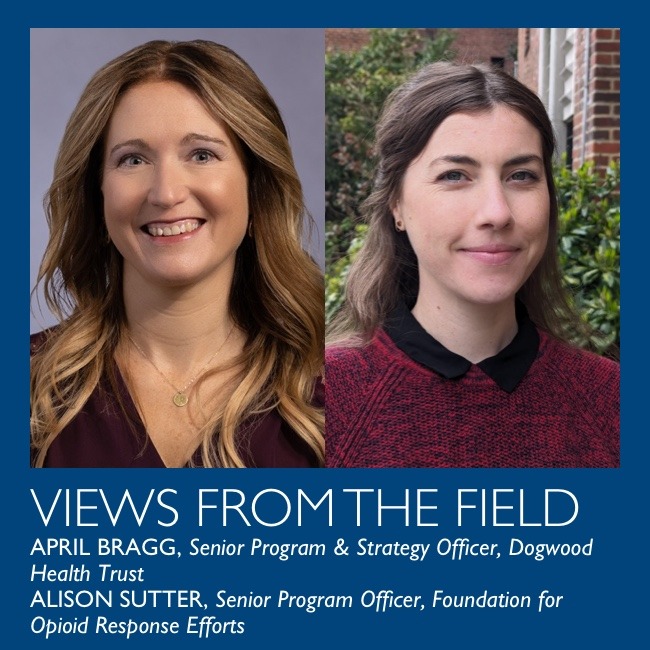
Recent changes in the federal policy landscape have created new questions for communities working to address substance use disorder (SUD), mental health needs, and housing instability. In this evolving environment, philanthropy, in collaboration with community-based organizations and local governments, has an important role to play in supporting evidence-based responses to overdose and mental health emergencies that improve access to care, strengthen community wellbeing, and uplift public health while avoiding unnecessary criminal legal outcomes.
GIH Health Policy Update Newsletter
The Latest
An Exclusive Resource for Funding Partners
The Health Policy Update is a newsletter produced in collaboration with Leavitt Partners and Trust for America’s Health. Drawing on GIH’s policy priorities outlined in our policy agenda and our strategic objective of increasing our policy and advocacy presence, the Health Policy Update provides GIH Funding Partners with a range of federal health policy news.

Broken Triangle: A Framework for Reparative Philanthropic Relationships
Traditional philanthropic practices have often created imbalanced power dynamics and barriers for Black-led, Black-serving organizations. When the REACH Healthcare Foundation performed a portfolio review in 2018 that revealed this same exclusion within the foundation’s grantmaking investments, REACH committed to reshaping their funding approach, which aims to repair previously neglected —and in some cases, damaged —relationships.
REACH Healthcare Foundation and United Methodist Health Ministry Fund: May 2025
The United Methodist Health Ministry Fund and REACH Healthcare Foundation recently partnered with experts from Manatt Health to shed light on the potential impacts of $880 billion in cuts to the Medicaid program on Kansas.
Lucile Packard Foundation for Children’s Health: May 2025
The Lucile Packard Foundation for Children’s Health released a report titled “No Place to Hide: Children Will be Hurt by Medicaid Cuts” that outlines the federal proposals of Medicaid funding reductions and explains the implications of those proposals on children and families.

Morgan Stanley Alliance for Children’s Mental Health: May 2025
The National Peanut Board (NPB) is accepting inquiries for its second annual request for proposals (RFP) for food allergy research grants. The call for applications is open through May 9, 2025. This year, NPB has increased the total availability of grant funding up to $550,000, which will be awarded to qualified projects designed to advance food allergy solutions.
Con Alma Health Foundation: May 2025
The National Peanut Board (NPB) is accepting inquiries for its second annual request for proposals (RFP) for food allergy research grants. The call for applications is open through May 9, 2025. This year, NPB has increased the total availability of grant funding up to $550,000, which will be awarded to qualified projects designed to advance food allergy solutions.