

GIH Joins Amicus Brief Opposing New Citizenship Verification Requirements
GIH joined organizations filing an amicus brief for the case brought by NY and other states seeking to stop the administration’s attempt to expand citizenship verification requirements under the Personal Responsibility and Work Opportunity Reconciliation Act of 1996 for programs administered by the Departments of Health and Human Services, Agriculture, Education, Housing and Urban Development, Labor, and Justice.
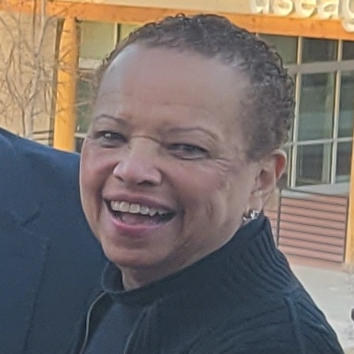
Remembering Patricia Mathews, Founding President and CEO of Northern Virginia Health Foundation
Grantmakers In Health (GIH) is saddened to learn of the recent passing of Patricia Mathews, a longtime fixture in health philanthropy and a former member of the GIH board of directors. Please join us in celebrating Patricia Mathews’ memory, as well as her many contributions to the field of health philanthropy and GIH.
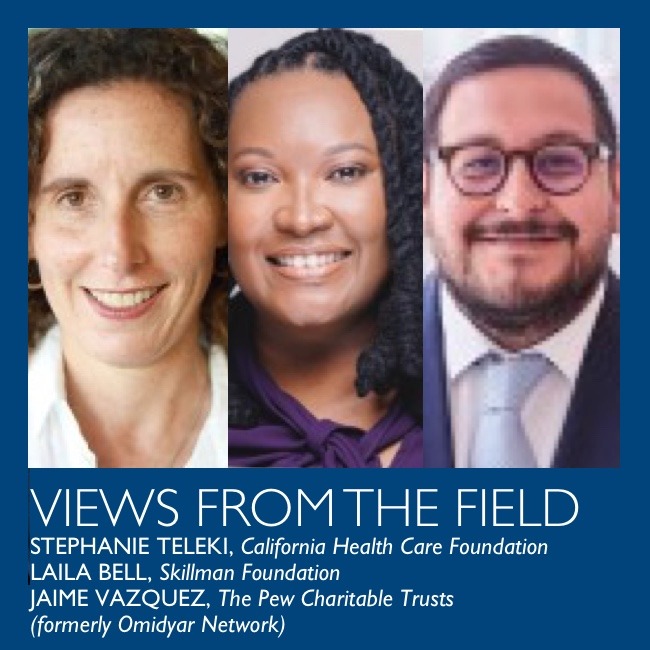
Responsible Exits: Insights from Three Funders
Grantmakers In Health’s Maya Schane spoke with Stephanie Teleki of The California Health Care Foundation, Laila Bell of The Skillman Foundation, and Jaime Vazquez of The Pew Charitable Trusts about their recently published article in The Foundation Review, “When Shift Happens: Navigating Toward a Framework for Responsible Philanthropic Exits.”
GIH Health Policy Update Newsletter
The Latest
An Exclusive Resource for Funding Partners
The Health Policy Update is a newsletter produced in collaboration with Leavitt Partnersi and Trust for America’s Health. Drawing on GIH’s policy priorities outlined in our policy agenda and our strategic objective of increasing our policy and advocacy presence, the Health Policy Update provides GIH Funding Partners with a range of federal health policy news.
Shifting Paradigms in Promoting Oral Health for Young Children
Tooth decay remains the single most prevalent chronic disease of America’s children, affecting 44 percent by age six (Dye et al. 2007). Grantmakers, government, and the professions have long focused energy and resources on getting children into dental care to repair the ravages of this preventable disease and to eliminate associated pain and infection.
Honoring Community Voices to Enhance Health Grantmaking
In philanthropic circles we spend a lot of time discussing the importance of how foundations can meet the needs of and strengthen communities. We expect our grants and program support will prompt change and improve lives, but how often do we end up doing things “to” a community as opposed to working “with” a community to achieve common goals?
Doing a Lot with a Little: The Gulf Coast Fund
“Doing a Lot with a Little” is an occasional series of the GIH Bulletin showcasing small foundations that have creatively leveraged resources to achieve meaningful change.