Submit a Session Proposal for the 2027 GIH Annual Conference on Health Philanthropy
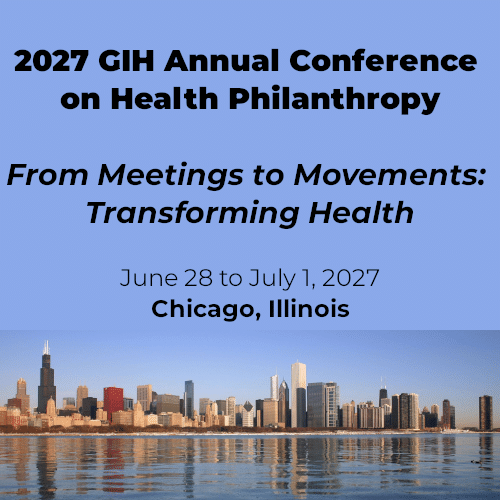
We invite you to submit a session proposal for the 2027 Grantmakers In Health (GIH) Annual Conference on Health Philanthropy, From Meetings to Movements: Transforming Health, which will be held in person in Chicago, Illinois, from June 28 to July 1, 2027. From Meetings to Movements: Transforming Health Forty-five years ago, a small group of…
Make Connections to Create a Movement for Rural Health
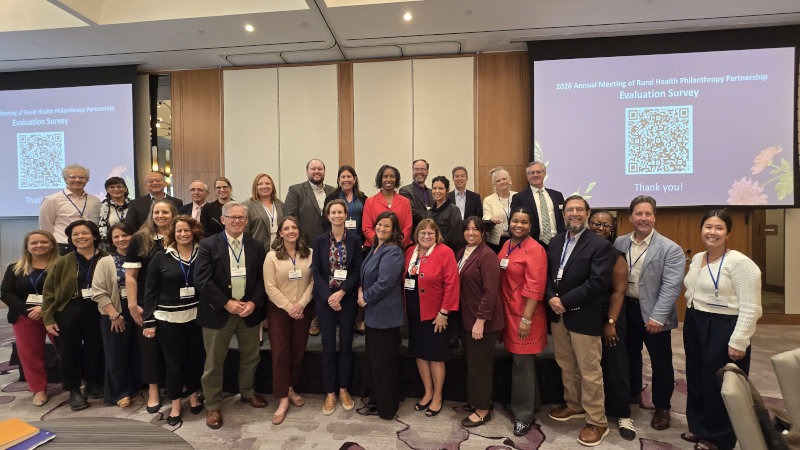
On Thursday, September 24, the Annual Meeting of the Rural Health Philanthropy Partnership kicked off in downtown Bethesda, MD. Selected highlights from the convening’s first day setting the stage for a full day of sessions and networking opportunities centered on how collaboration can build on progress already underway in rural and tribal communities, including rural health transformation efforts.

NJ SNIP: Supporting Behavioral Health Access Through Trust-based Grantmaking
Amid shifting federal health care funding, grants that enable health care safety net entities to respond to the changing landscape can unlock immense value. This form of grantmaking puts daily program-related decisions in the hands of people doing the work, allowing organizations to develop and sustain staff positions, workflows, and programs that reflect their priorities.

Leaning Into Radical Collaboration Will Advance Your Focused Mission
At this year’s GIH annual conference, I found myself surrounded by hundreds of philanthropic leaders deeply committed to improving the health and well-being of their communities. Again and again, I met funders whose work was grounded in a particular place, population, or issue. These funders know their communities intimately. They understand local history, relationships, and the needs of their communities. Their focus is one of their greatest strengths.
GIH Health Policy Update Newsletter
An Exclusive Resource for Funding Partners
The Health Policy Update is a newsletter produced in collaboration with Leavitt Partners and Trust for America’s Health. Drawing on GIH’s policy priorities outlined in our policy agenda and our strategic objective of increasing our policy and advocacy presence, the Health Policy Update provides GIH Funding Partners with a range of federal health policy news.
Philanthropy @ Work – Grants and Programs – January 2025
The latest on grants and programs from the field.

Postpartum Care Systems: Strategically Collaborating to Advance and Align Solutions Across Sectors
As state policymakers began extending continuous eligibility for postpartum Medicaid coverage from the 60 days following birth to the 12 months following birth in 2022, a small workgroup of
funders connected to explore what philanthropy’s role could be in strengthening maternal health outcomes
and how we might support effective implementation of the extension
Older Americans Act Renewal Approved by Senate
This an important and time-sensitive update on the Older Americans Act Reauthorization. The bill passed the Senate on Dec. 10th. It now needs to go through the House.
The National Council on Aging (NCOA) has an easy way for organizations who are legally able to lobby congress to reach out. Click here to complete a very brief form which will be automatically routed to your representatives. And please share with your networks!

Grantmakers In Health Welcomes Three New Members to Board of Directors
Grantmakers In Health (GIH) is pleased to announce the elections of Kenneth Jones, Senior Vice President, Chief Operating Officer, and Chief Equity Officer at the John D. and Catherine T. MacArthur Foundation; Susan Mims, President and CEO of the Dogwood Health Trust; and Hilda Polanco, Market Managing Principal at BDO to its Board of Directors.

Q&A: How the Chicago South Side Birth Center is Championing a Better Approach to Maternal Health
Grantmakers In Health (GIH) recently spoke with Jeanine Valrie Logan, Founder + Lead Steward of the Chicago South Side Birth Center, and Shruti Jayaraman, Chief Investments Officer of Chicago Beyond, to learn how the Chicago South Side Birth Center and Chicago Beyond are working together to improve maternal health outcomes for mothers in one of Chicago’s most underserved communities. This interview has been edited for style and clarity.

Medicaid Managed Care Contracts are a Powerful Tool for Change; Philanthropy has a Role to Play
As a foundation, the mission of the United Methodist Health Ministry Fund is to improve the health of all Kansans. Our success, in large measure, depends on investments we make in advancing positive policy and systems changes that affect the state and communities. So, with large numbers of the state’s most vulnerable people relying on Medicaid for health coverage and care, we focus on leveraging the opportunities this program offers to sustain improved health outcomes and make progress on health equity.