Make Connections to Create a Movement for Rural Health
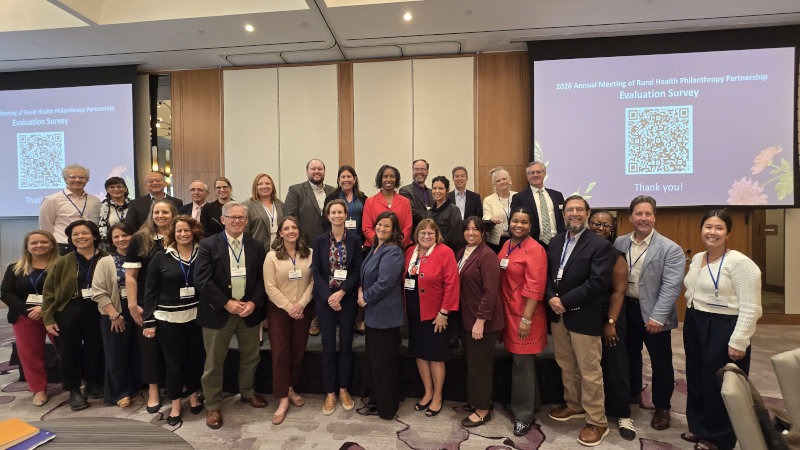
On Thursday, September 24, the Annual Meeting of the Rural Health Philanthropy Partnership kicked off in downtown Bethesda, MD. Selected highlights from the convening’s first day setting the stage for a full day of sessions and networking opportunities centered on how collaboration can build on progress already underway in rural and tribal communities, including rural health transformation efforts.

NJ SNIP: Supporting Behavioral Health Access Through Trust-based Grantmaking
Amid shifting federal health care funding, grants that enable health care safety net entities to respond to the changing landscape can unlock immense value. This form of grantmaking puts daily program-related decisions in the hands of people doing the work, allowing organizations to develop and sustain staff positions, workflows, and programs that reflect their priorities.

Leaning Into Radical Collaboration Will Advance Your Focused Mission
At this year’s GIH annual conference, I found myself surrounded by hundreds of philanthropic leaders deeply committed to improving the health and well-being of their communities. Again and again, I met funders whose work was grounded in a particular place, population, or issue. These funders know their communities intimately. They understand local history, relationships, and the needs of their communities. Their focus is one of their greatest strengths.

Changing the Vaccine Conversation Before It’s Too Late—What Can Philanthropy Do?
In July 2026, the United States reached a grim milestone when the number of confirmed cases of measles exceeded the total for all of 2025. On August 10, 2026, the White House issued an executive order directing changes to the federal childhood vaccine schedule and categories, and calls for availability of separate measles, mumps, and rubella vaccines. The science has not changed, but the new framework could significantly slow down the delivery of protective immunizations from these serious diseases.
GIH Health Policy Update Newsletter
An Exclusive Resource for Funding Partners
The Health Policy Update is a newsletter produced in collaboration with Leavitt Partners and Trust for America’s Health. Drawing on GIH’s policy priorities outlined in our policy agenda and our strategic objective of increasing our policy and advocacy presence, the Health Policy Update provides GIH Funding Partners with a range of federal health policy news.

Developing an Equitable Nonprofit Ecosystem: A New Funding Framework for Emerging, BIPOC-Led Grantees
In philanthropy, it is standard due diligence practice to vet potential grantees on their list of current, past, and future funders as a way to mitigate our perceived risk. However, this approach can put many emerging, grassroots, and BIPOC-led organizations out of contention for initial funding. The John Muir Community Health Fund has shifted the way we fundamentally see risk, and instead, have embraced the opportunity to fund emerging organizations that address social determinants of health by providing monetary support, capacity building, and ultimately a proof of concept that propels grantees to long-term sustainability.

Advancing Health Equity and Fostering Collaboration through Black Maternal and Child Health Initiatives
When basic social needs go unmet, they become the principal drivers of health disparities. Recognizing this, the Health Foundation of South Florida has been advancing a collaborative approach that brings together health systems and community-based organizations and paves the way for implementing promising social interventions. Through this approach, the Health Foundation seeks to drive improved health outcomes and greater coordination to address unmet health-related social needs within clinical care settings.
Building Strong Foundations: Addressing the Needs of Diverse Families in New Hampshire
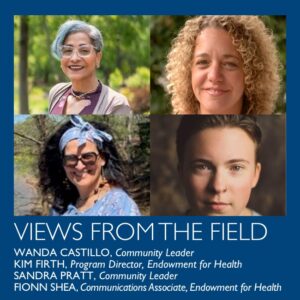
When families have the conditions they need to thrive, children thrive. In 2020, the Endowment for Health, Child Trends, and people in communities across New Hampshire began work that would become the Early Childhood Equity Movement (ECEM). Research in this movement is paving the way for greater equity in family services, services like early care, education, and health care. All families should have access to these services. Too many do not.

Bridging the Gap: How Philanthropy Can Help Public Agencies to Engage Equitably with Underserved Communities
Local public agencies are at a crossroads. Over the last few years, in response to racial justice protests and inequities made more visible by the Covid-19 pandemic, many local public agencies have worked to improve their engagement with low-income and underserved communities—especially communities of color. By adopting equity-centered approaches to community engagement, public agencies can better ensure their policies and programs lead to improvements for communities facing disproportionate health burdens.
Spotlight: Reflections and Strategies on Tax Equity
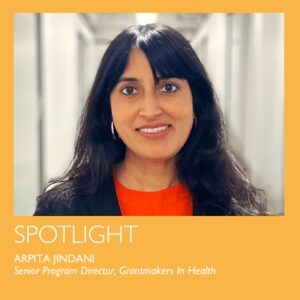
At a time when disparities in income and wealth—such as savings, home ownership, and other assets—are widening in America, funders and philanthropic support organizations came together at the Gaylord National Convention Center in National Harbor, Maryland, on September 5, 2024, with a mission to discuss the untapped potential of tax policy in advancing economic mobility.