Submit a Session Proposal for the 2027 GIH Annual Conference on Health Philanthropy
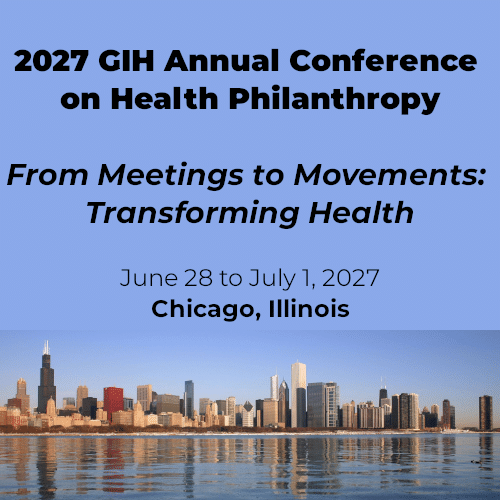
We invite you to submit a session proposal for the 2027 Grantmakers In Health (GIH) Annual Conference on Health Philanthropy, From Meetings to Movements: Transforming Health, which will be held in person in Chicago, Illinois, from June 28 to July 1, 2027. From Meetings to Movements: Transforming Health Forty-five years ago, a small group of…
Make Connections to Create a Movement for Rural Health
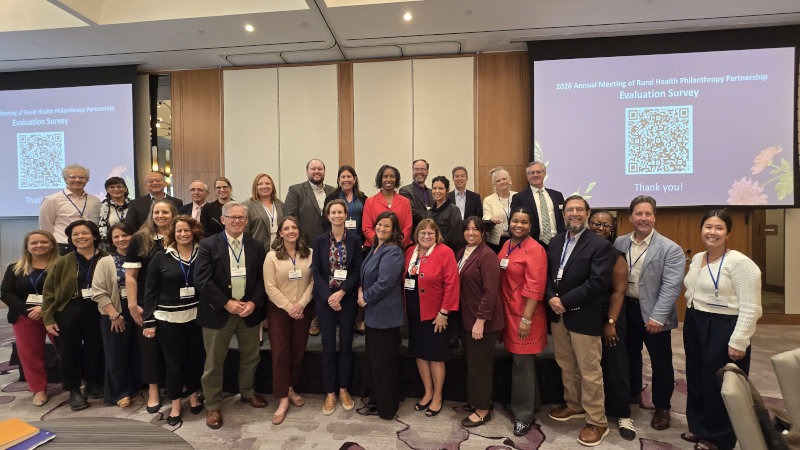
On Thursday, September 24, the Annual Meeting of the Rural Health Philanthropy Partnership kicked off in downtown Bethesda, MD. Selected highlights from the convening’s first day setting the stage for a full day of sessions and networking opportunities centered on how collaboration can build on progress already underway in rural and tribal communities, including rural health transformation efforts.

NJ SNIP: Supporting Behavioral Health Access Through Trust-based Grantmaking
Amid shifting federal health care funding, grants that enable health care safety net entities to respond to the changing landscape can unlock immense value. This form of grantmaking puts daily program-related decisions in the hands of people doing the work, allowing organizations to develop and sustain staff positions, workflows, and programs that reflect their priorities.

Leaning Into Radical Collaboration Will Advance Your Focused Mission
At this year’s GIH annual conference, I found myself surrounded by hundreds of philanthropic leaders deeply committed to improving the health and well-being of their communities. Again and again, I met funders whose work was grounded in a particular place, population, or issue. These funders know their communities intimately. They understand local history, relationships, and the needs of their communities. Their focus is one of their greatest strengths.
GIH Health Policy Update Newsletter
An Exclusive Resource for Funding Partners
The Health Policy Update is a newsletter produced in collaboration with Leavitt Partners and Trust for America’s Health. Drawing on GIH’s policy priorities outlined in our policy agenda and our strategic objective of increasing our policy and advocacy presence, the Health Policy Update provides GIH Funding Partners with a range of federal health policy news.
CMS Announces an $500 Million Funding Opportunity to Increase ACA Outreach and Enrollment Efforts
Centers for Medicare & Medicaid Services (CMS) announced the availability of $500 million in grants over the next five years to increase the number of organizations who help people enroll in health coverage through the Federally-Facilitated Marketplace (FFM) on HealthCare.gov. This is the largest funding allocation CMS has made available for Navigator grants to date.
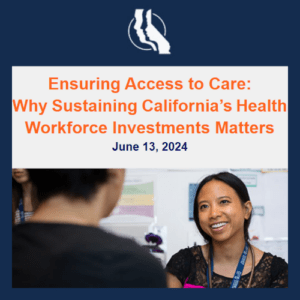
Ensuring Access to Care: Why Sustaining California’s Health Workforce Investments Matters
California’s shortage of health workers threatens people’s ability to access the care they need to live healthy lives. In response, state policymakers have taken significant steps over the past five years to expand and diversify the health workforce by funding various programs to recruit, educate, train, and retain health workers. However, as the state deals with substantial budget challenges, it is critical that these investments be sustained.

Day 3 – Looking Ahead: A Year of Bold Action
The final day of the 2024 GIH Annual Conference on Health Philanthropy doubled down on a theme we’ve seen throughout our time in Portland. Even if you fund a specific program or issue area, your philanthropy has broader and more profound impacts. Throughout the conference, attendees were encouraged to approach their philanthropy in innovative and new ways. We are excited to hear about your courageous steps to widen your viewpoints, advocacy, and philanthropy in the weeks and months ahead.

Day 2 – Learning from Philanthropy’s Courageous Leaders
On Day 2 of the GIH Annual Conference on Health Philanthropy, the sun emerged and highlighted Portland’s natural beauty. Attendees kicked off this warm summer day with a power walk, networking breakfasts, breakout sessions, and quick takes before the annual Terrance Keenan and Andy Hyman Awards Plenary Luncheon, which honored two incredible leaders in health philanthropy and equity.

Day 1 – Advancing a Movement for Health Equity
Today we welcomed over 600 attendees to our biggest and boldest Grantmakers In Health (GIH) Annual Conference on Health Philanthropy! The conference officially launched with on-site and off-site experiences to introduce attendees to Portland, community organizations, and local health initiatives. GIH Board members and staff warmly welcomed conference newcomers and left them with advice applicable to all attendees: Don’t hesitate to meet new people at the conference. These connections and shared ideas will outlast your time in Portland and advance a movement for health equity.

Preconference – Welcome to the 2024 GIH Conference on Health Philanthropy!
The 2024 Grantmakers In Health Conference on Health Philanthropy, Bold Results Through Courageous Action, launched in Portland, Oregon today, Monday, June 3, 2024, with three engaging pre-conference sessions.