Submit a Session Proposal for the 2027 GIH Annual Conference on Health Philanthropy
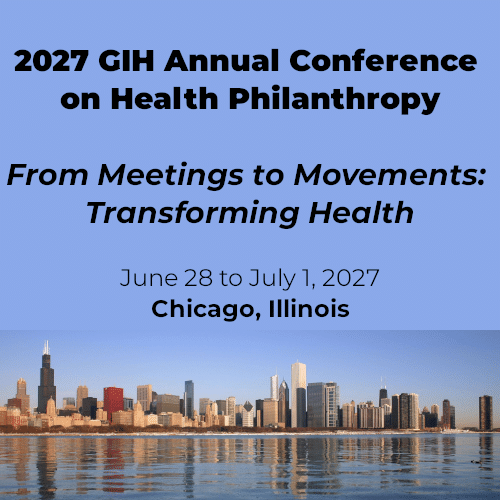
We invite you to submit a session proposal for the 2027 Grantmakers In Health (GIH) Annual Conference on Health Philanthropy, From Meetings to Movements: Transforming Health, which will be held in person in Chicago, Illinois, from June 28 to July 1, 2027. From Meetings to Movements: Transforming Health Forty-five years ago, a small group of…
Make Connections to Create a Movement for Rural Health
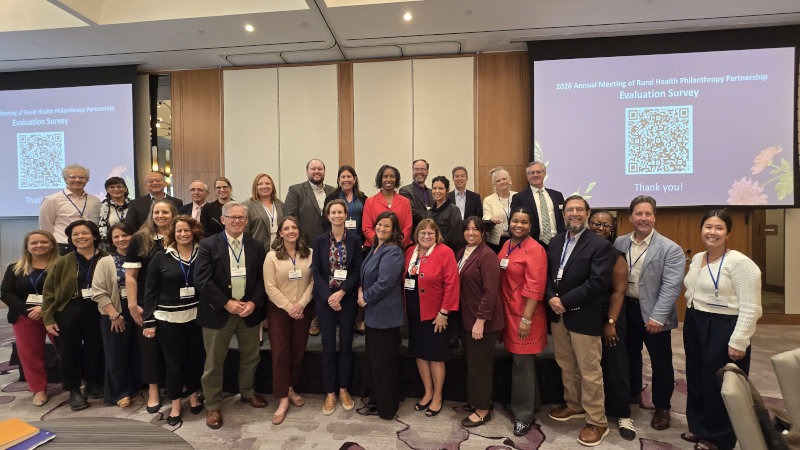
On Thursday, September 24, the Annual Meeting of the Rural Health Philanthropy Partnership kicked off in downtown Bethesda, MD. Selected highlights from the convening’s first day setting the stage for a full day of sessions and networking opportunities centered on how collaboration can build on progress already underway in rural and tribal communities, including rural health transformation efforts.

NJ SNIP: Supporting Behavioral Health Access Through Trust-based Grantmaking
Amid shifting federal health care funding, grants that enable health care safety net entities to respond to the changing landscape can unlock immense value. This form of grantmaking puts daily program-related decisions in the hands of people doing the work, allowing organizations to develop and sustain staff positions, workflows, and programs that reflect their priorities.

Leaning Into Radical Collaboration Will Advance Your Focused Mission
At this year’s GIH annual conference, I found myself surrounded by hundreds of philanthropic leaders deeply committed to improving the health and well-being of their communities. Again and again, I met funders whose work was grounded in a particular place, population, or issue. These funders know their communities intimately. They understand local history, relationships, and the needs of their communities. Their focus is one of their greatest strengths.
GIH Health Policy Update Newsletter
An Exclusive Resource for Funding Partners
The Health Policy Update is a newsletter produced in collaboration with Leavitt Partners and Trust for America’s Health. Drawing on GIH’s policy priorities outlined in our policy agenda and our strategic objective of increasing our policy and advocacy presence, the Health Policy Update provides GIH Funding Partners with a range of federal health policy news.

Philanthropy @ Work – Grants and Programs – July 2024
The latest on grants and programs from the field.
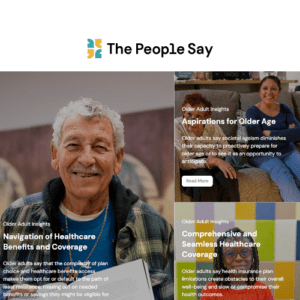
The People Say: A New Older Adult and Caregiver Policy and Research Tool
An online research hub features first-hand insights from older adults and caregivers on the issues most important to them, as well as feedback from experts on policies affecting older adults. The project particularly focuses on the experiences of communities often under-consulted in policymaking, including older adults of color, those who are low income, and/or those who live in rural areas where healthcare isn’t easily accessible.

2024 Call for GIH Board Nominations
Grantmakers In Health, an educational organization serving staff, executives, and trustees of foundations and corporate giving programs working in the health field, is seeking nominations for its board of directors for terms beginning in March 2025.

2024 GIH Annual Conference Attendees Share Their Takeaways
It’s been a month since the 2024 Grantmakers In Health (GIH) Annual Conference on Health Philanthropy, Bold Results Through Courageous Action, and we are excited to report that several attendees have written about their learnings from Portland: GIH meetings and events give important insights into grantmaking and how investments can lead to more equitable health…
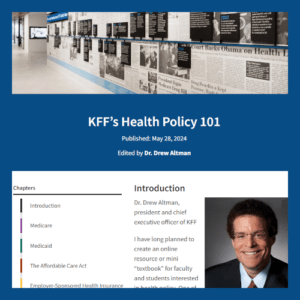
KFF Introduces Health Policy 101—A Primer on U.S. Health Policy
KFF launched a new resource —the Health Policy 101 — an online resource or mini “textbook” about health policy for faculty and students. Drew Altman felt the need for a resource like this ages ago, when he was at MIT writing a book on health care regulation and needed a reference with real detail on public programs and health costs. It took a while to produce it but now it’s ready!