
GIH Joins Amicus Brief Opposing New Citizenship Verification Requirements
GIH joined organizations filing an amicus brief for the case brought by NY and other states seeking to stop the administration’s attempt to expand citizenship verification requirements under the Personal Responsibility and Work Opportunity Reconciliation Act of 1996 for programs administered by the Departments of Health and Human Services, Agriculture, Education, Housing and Urban Development, Labor, and Justice.
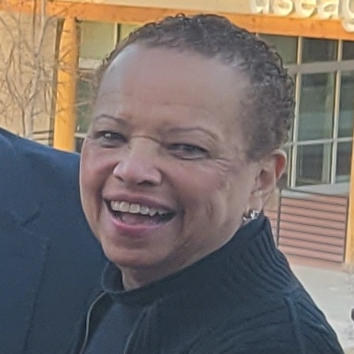
Remembering Patricia Mathews, Founding President and CEO of Northern Virginia Health Foundation
Grantmakers In Health (GIH) is saddened to learn of the recent passing of Patricia Mathews, a longtime fixture in health philanthropy and a former member of the GIH board of directors. Please join us in celebrating Patricia Mathews’ memory, as well as her many contributions to the field of health philanthropy and GIH.
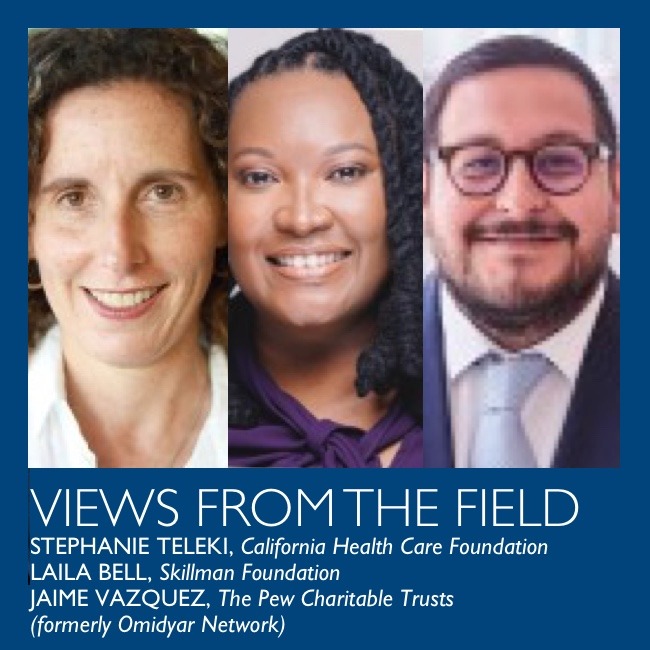
Responsible Exits: Insights from Three Funders
Grantmakers In Health’s Maya Schane spoke with Stephanie Teleki of The California Health Care Foundation, Laila Bell of The Skillman Foundation, and Jaime Vazquez of The Pew Charitable Trusts about their recently published article in The Foundation Review, “When Shift Happens: Navigating Toward a Framework for Responsible Philanthropic Exits.”
GIH Health Policy Update Newsletter
The Latest
An Exclusive Resource for Funding Partners
The Health Policy Update is a newsletter produced in collaboration with Leavitt Partnersi and Trust for America’s Health. Drawing on GIH’s policy priorities outlined in our policy agenda and our strategic objective of increasing our policy and advocacy presence, the Health Policy Update provides GIH Funding Partners with a range of federal health policy news.

Acting with Urgency: Stupski Foundation Accelerates Its Spend-Down Grantmaking
In this interview, Grantmakers In Health’s Maya Schane spoke with Dan Tuttle and Sulma Gandhi of the Stupski Foundation about the foundation’s spend-down strategy and acceleration of grantmaking in 2025 in response to federal policy changes.

Practicing What We Preach: Three Tips for Putting Equity at the Heart of a Successful Application Process
Every step of the grant application process
— from initial outreach to final award notification — provides opportunities for funders to either reinforce inequities or dismantle them. The grant application process is often the first barrier that organizations encounter when seeking funding. If designed without an intentional focus on equity, the application process can advantage well-resourced organizations, while disadvantaging equally or better qualified organizations that have fewer resources.

Protecting Children’s Access to Health Care in Schools: The Impact of Medicaid Cuts on School Health Services
“Due to the remote area we serve, our students have little to no access to medical services otherthan those provided in schools.”—Superintendent from a rural school district in Michigan. Schools are essential places for children to access health services. An estimated 40 percent ofschool-aged children have at least one chronic health condition (National Survey of Children’sHealth, 2019). Among low-income children with special health careneeds, approximately 87percent do not receive necessary care, primarily due to financial costs and limited access (Childand Adolescent Health Measurement Initiative, 2022). Providing health care at school, where children spend most of their days, is crucial to addressing these concerns.
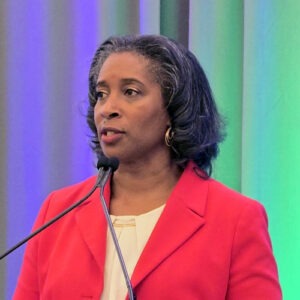
Closing Remarks: 2025 Health Policy Exchange
President and CEO of Grantmakers In Health (GIH), Cara V. James, delivered closing remarks at the 2025 Health Policy Exchange, “Protecting the Freedom to Give” in Arlington, Virginia.