
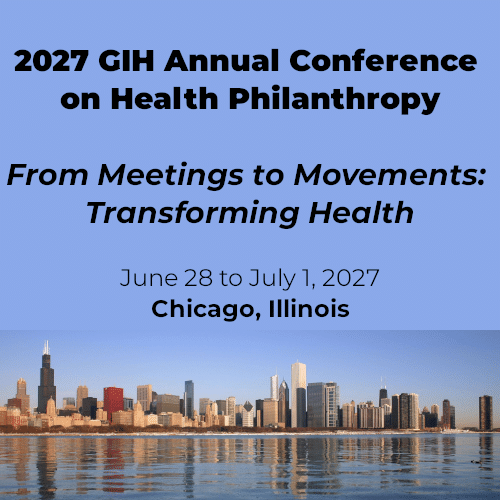
Submit a Session Proposal for the 2027 GIH Annual Conference on Health Philanthropy
We invite you to submit a session proposal for the 2027 Grantmakers In Health (GIH) Annual Conference on Health Philanthropy, From Meetings to Movements: Transforming Health, which will be held in person in Chicago, Illinois, from June 28 to July 1, 2027. From Meetings to Movements: Transforming Health Forty-five years ago, a small group of…
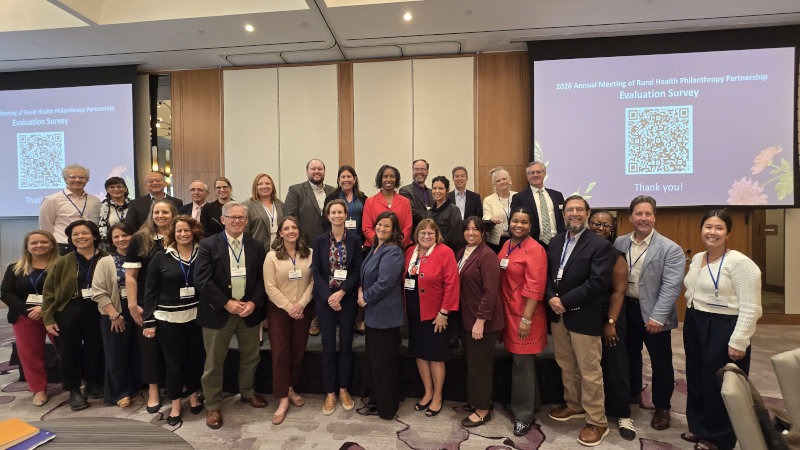
Make Connections to Create a Movement for Rural Health
On Thursday, September 24, the Annual Meeting of the Rural Health Philanthropy Partnership kicked off in downtown Bethesda, MD. Selected highlights from the convening’s first day setting the stage for a full day of sessions and networking opportunities centered on how collaboration can build on progress already underway in rural and tribal communities, including rural health transformation efforts.

NJ SNIP: Supporting Behavioral Health Access Through Trust-based Grantmaking
Amid shifting federal health care funding, grants that enable health care safety net entities to respond to the changing landscape can unlock immense value. This form of grantmaking puts daily program-related decisions in the hands of people doing the work, allowing organizations to develop and sustain staff positions, workflows, and programs that reflect their priorities.

Leaning Into Radical Collaboration Will Advance Your Focused Mission
At this year’s GIH annual conference, I found myself surrounded by hundreds of philanthropic leaders deeply committed to improving the health and well-being of their communities. Again and again, I met funders whose work was grounded in a particular place, population, or issue. These funders know their communities intimately. They understand local history, relationships, and the needs of their communities. Their focus is one of their greatest strengths.
GIH Health Policy Update Newsletter
An Exclusive Resource for Funding Partners
The Health Policy Update is a newsletter produced in collaboration with Leavitt Partners and Trust for America’s Health. Drawing on GIH’s policy priorities outlined in our policy agenda and our strategic objective of increasing our policy and advocacy presence, the Health Policy Update provides GIH Funding Partners with a range of federal health policy news.

Preventing Domestic Violence by Reaching People Who Cause Harm
The research involved a landscape scan of Cook County, Illinois’ policies, funding, and services for people who cause harm with a goal of engaging the stakeholders and providers doing this work as well as survivors and those who receive services to identify barriers, challenges, and strengths of domestic violence prevention programs. The research examined Partner Abuse Intervention Programs (PAIP) in particular, a standard intervention for people who cause harm that is overseen by the Illinois Department of Human Services.
Post-Overdose Response Teams: A Community-Based Approach to Public Safety
Recent changes in the federal policy landscape have created new questions for communities working to address substance use disorder (SUD), mental health needs, and housing instability. In this evolving environment, philanthropy, in collaboration with community-based organizations and local governments, has an important role to play in supporting evidence-based responses to overdose and mental health emergencies that improve access to care, strengthen community wellbeing, and uplift public health while avoiding unnecessary criminal legal outcomes.

The Voters Health Care Reaches
August marks Civic Health Month, a time to showcase the link between voting and health. It arrives this year against a difficult backdrop. The enhanced Affordable Care Act (ACA) subsidies that helped millions afford coverage expired at the end of 2025, and federal cuts to Medicaid are reshaping who can get care and how. The ACA was among the hardest-won health equity victories in a century, and its erosion is a reminder that policy gains are never permanent. They are defended, or lost, depending on who shows up to vote.

Rural Health Information Hub: August 2026
The Rural Heath Information Hub recently released its Rural Mobile Healthcare Toolkit. This toolkit compiles evidence-based and promising models and resources to support organizations implementing mobile health care programs in rural communities across the United States. In particular, it highlights existing programs that have successfully provided rural mobile health care services.

The Merck Foundation: August 2026
The Call for Proposals is now open! The Merck Foundation has launched a United States initiative called the Community Collaborative for Reimagining HIV Care. Through the Collaborative, the foundation will provide grants to support the development and implementation of innovative, community-centered models of comprehensive care to meet the evolving needs of people living with HIV.
Blue Cross Blue Shield of North Carolina Foundation: August 2026
The foundation is issuing a funding opportunity to support local partnerships led by trusted community-based organizations that better connect, strengthen, and enhance existing mental health and well-being services for caregivers. This effort focuses on integrating and aligning existing resources to improve caregiver well-being, increase social connection, and strengthen pathways to clinical mental health care when needed.