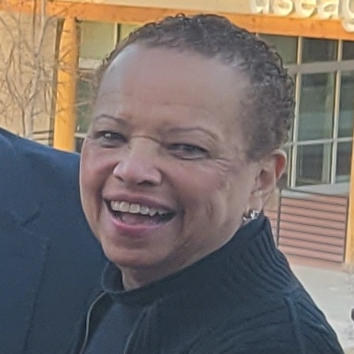
Remembering Patricia Mathews, Founding President and CEO of Northern Virginia Health Foundation
Grantmakers In Health (GIH) is saddened to learn of the recent passing of Patricia Mathews, a longtime fixture in health philanthropy and a former member of the GIH board of directors. Please join us in celebrating Patricia Mathews’ memory, as well as her many contributions to the field of health philanthropy and GIH.
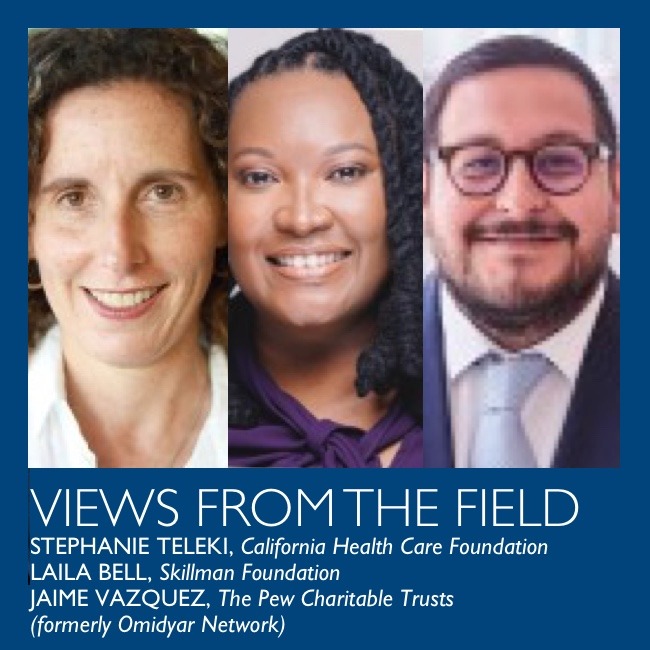
Responsible Exits: Insights from Three Funders
Grantmakers In Health’s Maya Schane spoke with Stephanie Teleki of The California Health Care Foundation, Laila Bell of The Skillman Foundation, and Jaime Vazquez of The Pew Charitable Trusts about their recently published article in The Foundation Review, “When Shift Happens: Navigating Toward a Framework for Responsible Philanthropic Exits.”

The Keys to Successful Collaboration Between a State-based Health Foundation and a National Funder Collaborative
Discussions about firearms in the US are often focused on urban gun violence and mass shootings. But firearm injury and death is a public health crisis that touches every community—urban and rural, red states and blue—and it intersects with issues many health funders care about: mental health, suicide prevention, and health equity.
GIH Health Policy Update Newsletter
The Latest
An Exclusive Resource for Funding Partners
The Health Policy Update is a newsletter produced in collaboration with Leavitt Partnersi and Trust for America’s Health. Drawing on GIH’s policy priorities outlined in our policy agenda and our strategic objective of increasing our policy and advocacy presence, the Health Policy Update provides GIH Funding Partners with a range of federal health policy news.


Yield Giving: April 2023
Yield Giving announced a $250 million open call to fund impactful organizations focused on working with people and in places experiencing the greatest need in the United States: communities, individuals, and families with access to the fewest foundational resources and opportunities.
Montana Healthcare Foundation: April 2023
The Montana Healthcare Foundation launched their 2023 Call for Proposals. They offer Montana-based organizations a chance to apply for funding to design and pilot innovative, Montana-grown solutions to key health challenges and to understand the state’s health needs.
Con Alma Health Foundation: April 2023
Con Alma Health Foundation announced two 2023 grant cycles will open soon. The Con Alma Grant Cycle opens May 17, 2023 and closes June 16, 2023. The Northern New Mexico Health Grants Cycle opens June 7, 2023 and closes July 7, 2023.
Philanthropy @ Work – Grants and Programs – April 2023
The latest on grants and programs from the field.