
Aligning Efforts to Achieve Equitable Mental, Emotional, and Behavioral Health and Well-Being for Children and Youth
This report issues a call to action for philanthropic organizations and public-sector partners that are ready to move forward in improving mental, emotional, and behavioral health. It describes existing philanthropic and federal initiatives and offers a potential portfolio of aligned strategies for private- and public-sector partners to consider.

Investing in Asian American, Native Hawaiian, and Pacific Islander Communities through Strategic Philanthropic Partnerships
May is Asian American Pacific Islander heritage month, celebrating the fastest-growing racial group in the United States. Recent priorities for grantmakers have focused on racial equity, health and well-being, and immigrant rights. Yet, investments for Asian American, Native Hawaiian, and Pacific Islanders have been under-resourced and deprioritized, receiving only 0.26 percent of philanthropic dollars and 0.17 percent of research funding from the National Institutes of Health.

Beyond the Headlines: Towards a New Narrative for Health Philanthropy in Haiti
Contrary to the narrative that all philanthropic investments have been ineffective in Haiti, Partners In Health, Build Health International, and Health Equity International have had immense positive impacts on the health sector in Haiti over the last decade. With sustained funding from the W.K. Kellogg Foundation, these nongovernmental organizations are committed to tackling systemic inequities embedded in the health care system.

Multiplying Funder Impact Through Multisector Collaborations: Models for Creating Racial and Health Equity
Multisector collaborations epitomize the expression “the whole is greater than the sum of its parts.” Working together toward common goals, organizations from different sectors that listen and work directly with communities can multiply their impact compared to what they can accomplish working separately. Because of this, funders too can expand their impact by investing in and encouraging these multisector collaborations that serve as engines for lifting up community voices and promoting equity.
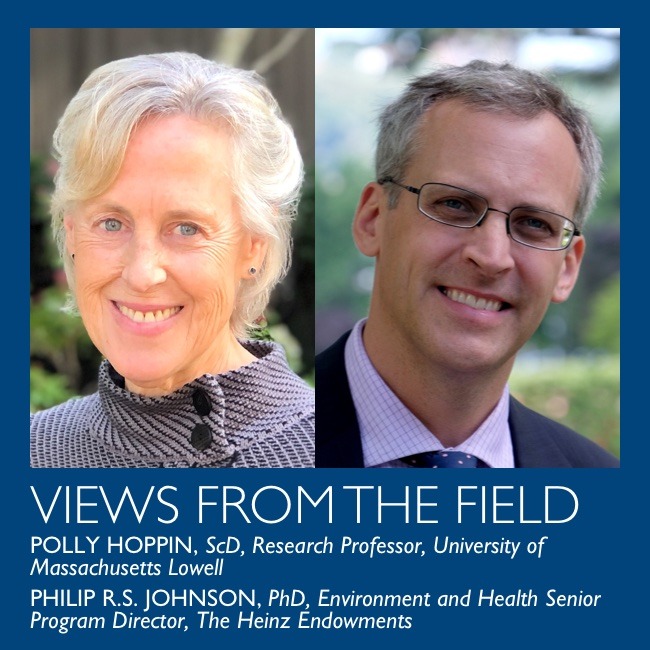
Reducing Pollution: Critical Pathway for Cancer Prevention
Health professionals and health advocacy groups are learning how they can elevate environmental chemicals as an important element of cancer prevention, including in research design, clinical practice, policy advocacy, and in cancer initiatives such as the Beau Biden Moonshot and states’ 5-year cancer prevention and control plans. When health leaders are given the opportunity to examine barriers to cancer prevention, including those they may contribute to, they gain confidence in their ability—and responsibility—to use their power as trusted messengers to call for dramatic reductions in carcinogens.