
The New Hampshire Children’s Health Foundation: September 2026
The New Hampshire Children’s Health Foundation is continuing its 2026 Emergent Need Fund to help nonprofit organizations in New Hampshire respond to emergent needs caused by unforeseen events. These funds are designed to provide rapid support when unexpected circumstances threaten the ability to deliver essential services to children and families.
Hogg Foundation for Mental Health: September 2026
The Hogg Foundation for Mental Health is seeking two young adult leaders to join its National Advisory Council. The council advises the foundation on its work and includes members with expertise in psychiatry, community health, peer support, social work, sociology, philanthropy, public policy, and law, as well as people with lived experience of mental health conditions.
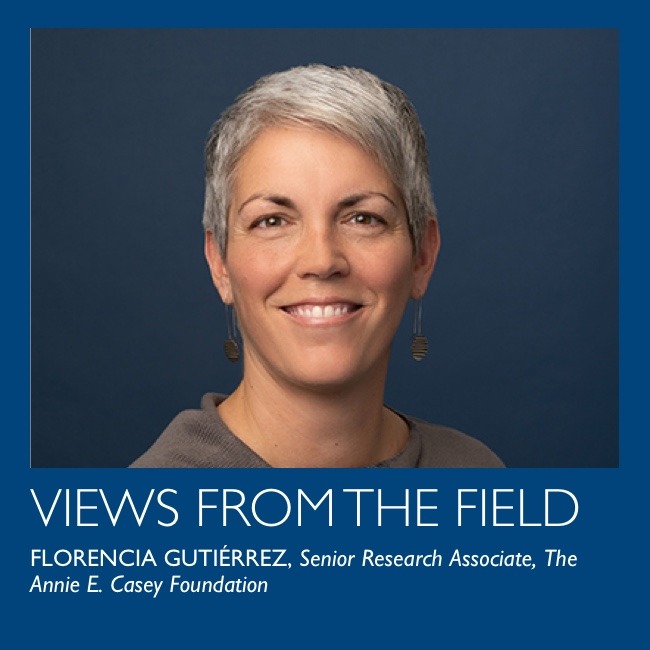
Beyond the Rankings: What Four Decades of KIDS COUNT Have Taught Me About Why Data Matter
For more than three decades, through the Annie E. Casey Foundation’s KIDS COUNT® project, decisionmakers and communities have had access to reliable national, state, and local data to improve outcomes for all children, young people, and families in this country. KIDS COUNT comprises the foundation’s national KIDS COUNT publications—the annual KIDS COUNT Data Book and periodic reports such as Race for Results; the KIDS COUNT Data Center, a resource for year-round national, state, and local data; and the KIDS COUNT Network of state-based partner organizations that help policymakers, advocates, journalists, and community leaders understand and use data to make informed decisions.
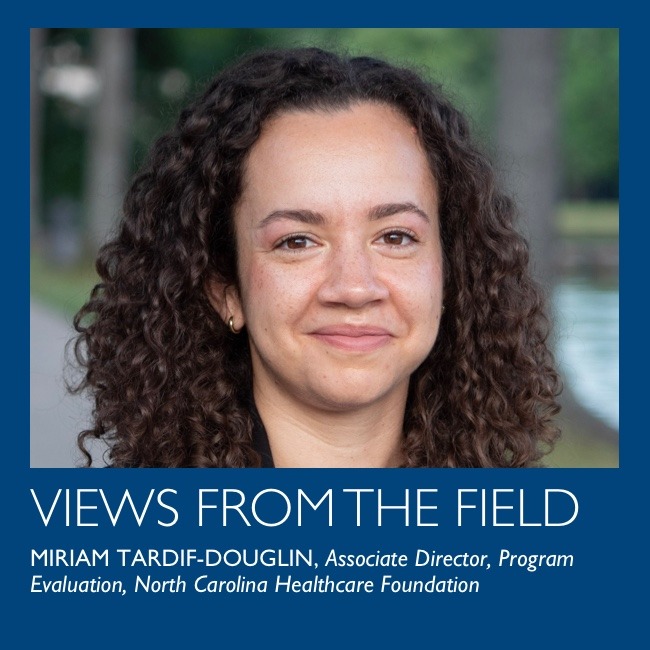
Opioid Use Disorder in Pregnancy: Countering Bias and Promoting Care
Most pregnancy-related deaths in North Carolina are preventable. Yet mental health conditions, including overdose and suicide, remain the leading cause of pregnancy-related death. For health care leaders, that reality demands a closer look at how we identify, treat, and support pregnant and postpartum patients with opioid use disorder.
Blue Cross Blue Shield of North Carolina Foundation: August 2026
The foundation is issuing a funding opportunity to support local partnerships led by trusted community-based organizations that better connect, strengthen, and enhance existing mental health and well-being services for caregivers. This effort focuses on integrating and aligning existing resources to improve caregiver well-being, increase social connection, and strengthen pathways to clinical mental health care when needed.
UniHealth Foundation: July 2026
UniHealth Foundation recently launched its Healthy Neighbors Small Grants Program. The new initiative will fund nonprofits focused on enhancing community health and wellness in Pasadena, Altadena, Sierra Madre, and South Pasadena, California. Grant awards will range from $5,000 to $10,000, with decisions announced in late fall 2026.
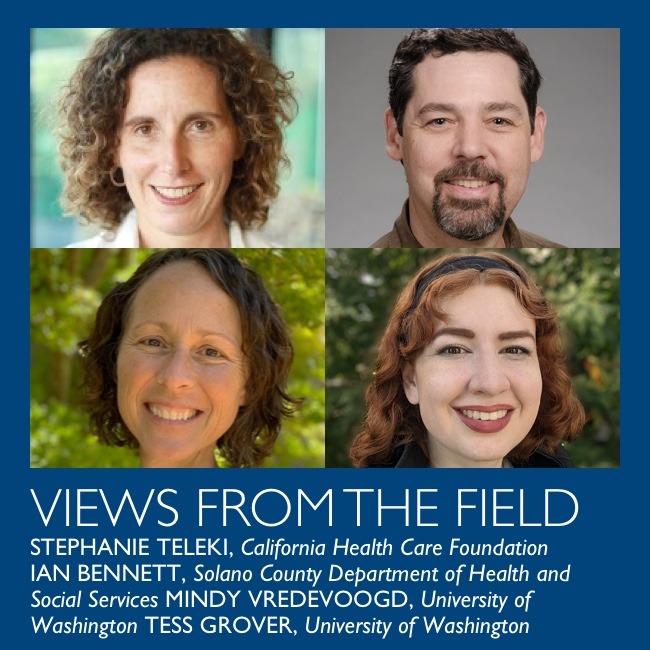
Bridging the Gap: How the Collaborative Care Model is Transforming Maternal Mental Health in Los Angeles
In California, as in the rest of the United States, the statistics regarding maternal mental health are alarming. Approximately one in five mothers suffers from mood and anxiety disorders during the perinatal period, which extends from pregnancy through one year postpartum. Yet, despite this high prevalence, the overwhelming majority of these women do not receive treatment. The barriers are systemic and multifaceted, including but not limited to behavioral health workforce shortages; a lack of integration between primary, perinatal, and behavioral health care; inadequate training for maternity care providers; and stigma.
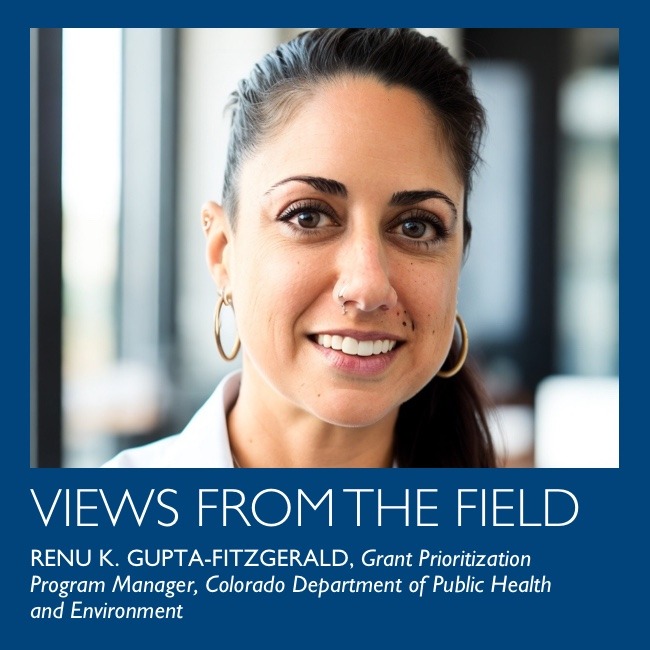
Funding Without Alignment Is Just Spending: Colorado’s Model for Alignment to Maximize Impacts on Youth Well-being
Public funding for youth well-being isn’t lacking in effort or investment. But when dollars move through disconnected systems, even the best intentions can fail to translate into meaningful outcomes. What if the challenge isn’t how much we fund, but how those investments work together? Colorado is testing a different approach: aligning funding, data, and strategy across agencies so that public dollars can operate as a more coordinated system rather than a collection of parallel but sometimes siloed efforts.
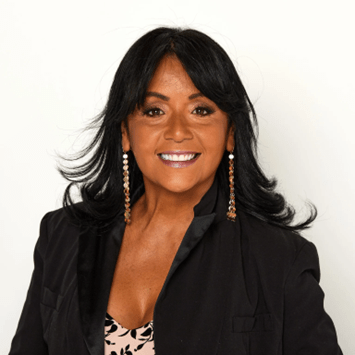
Gladys Vega of La Colaborativa to Be Honored with the 2026 Andy Hyman Award for Advocacy
Gladys Vega, President and CEO of La Colaborativa in Massachusetts, will receive Grantmakers In Health’s 2026 Andy Hyman Award for Advocacy.
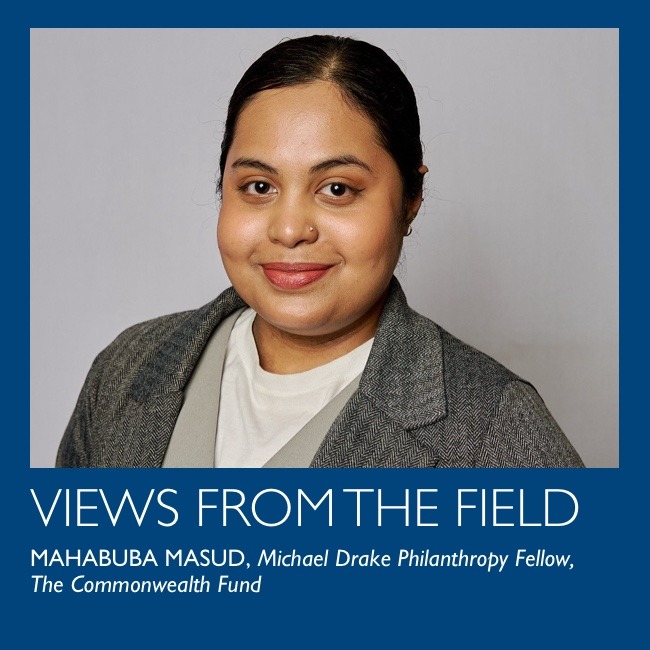
The Role of Health Philanthropy in Improving Maternal Health for Underserved Populations
Although the United States is a high-income nation, it experiences a significant burden of maternal mortality incidence relative to other countries. In 2023, non-expansion Medicaid states had 27.7 percent higher pregnancy-related deaths than expansion states. The COVID-19 pandemic also exacerbated racial disparities in pregnancy-related deaths. Historically, marginalized populations, including low-income populations and Black and Indigenous communities are more vulnerable to preventable pregnancy-related deaths.