
Healing Takes Practice: Reaching People Is Only the Beginning
Violence is increasingly understood as a public health problem. That shift has changed the way communities respond—moving the conversation beyond policing and criminal justice and toward prevention, intervention, and the conditions that put people at risk. But treating violence as a health problem also requires us to reckon with trauma.
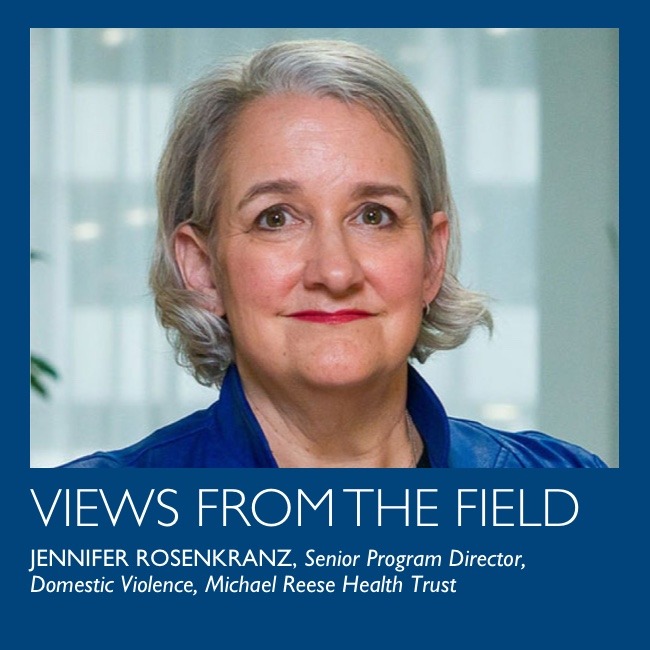
Preventing Domestic Violence by Reaching People Who Cause Harm
The research involved a landscape scan of Cook County, Illinois’ policies, funding, and services for people who cause harm with a goal of engaging the stakeholders and providers doing this work as well as survivors and those who receive services to identify barriers, challenges, and strengths of domestic violence prevention programs. The research examined Partner Abuse Intervention Programs (PAIP) in particular, a standard intervention for people who cause harm that is overseen by the Illinois Department of Human Services.

Michael Reese Health Trust: July 2026
Michael Reese Health Trust, in partnership with the VNA Foundation, conducted a landscape scan of domestic violence prevention efforts focused on people who cause harm. The resulting report, Reaching People Who Cause Harm: Policies, Funding, and Strategies in Cook County, identifies urgent challenges as well as new opportunities for how Cook County, Illinois supports survivors, interrupts cycles of harm, and keeps families safe.
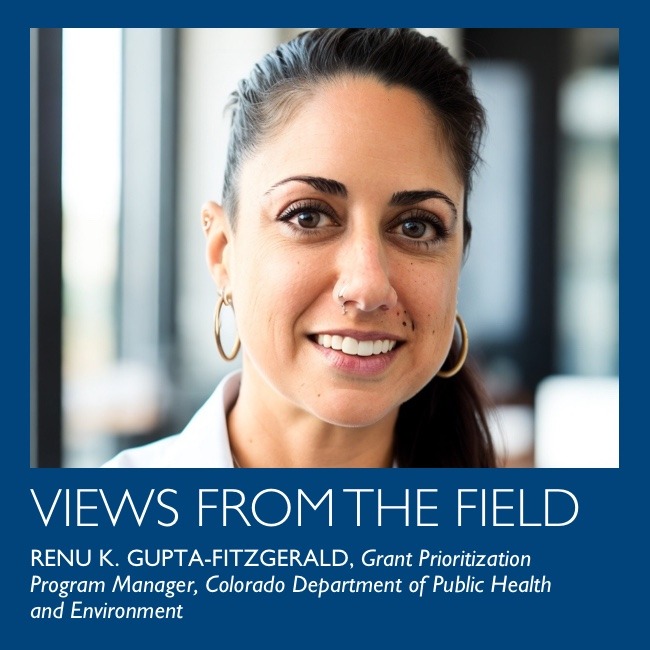
Funding Without Alignment Is Just Spending: Colorado’s Model for Alignment to Maximize Impacts on Youth Well-being
Public funding for youth well-being isn’t lacking in effort or investment. But when dollars move through disconnected systems, even the best intentions can fail to translate into meaningful outcomes. What if the challenge isn’t how much we fund, but how those investments work together? Colorado is testing a different approach: aligning funding, data, and strategy across agencies so that public dollars can operate as a more coordinated system rather than a collection of parallel but sometimes siloed efforts.
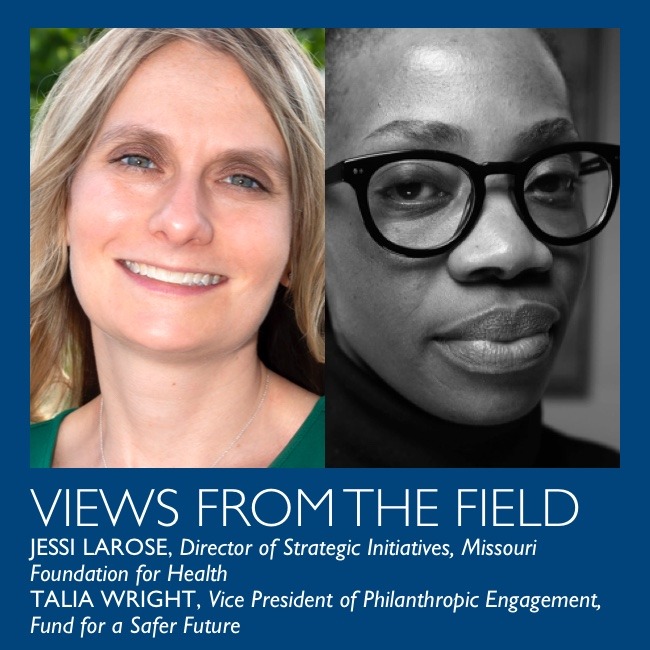
The Keys to Successful Collaboration Between a State-based Health Foundation and a National Funder Collaborative
Discussions about firearms in the US are often focused on urban gun violence and mass shootings. But firearm injury and death is a public health crisis that touches every community—urban and rural, red states and blue—and it intersects with issues many health funders care about: mental health, suicide prevention, and health equity.

Medicaid and Community Violence: Pathways to Sustainable Care
American cities are witnessing historic declines in gun violence. In recent years, cities like Baltimore, Philadelphia, and Chicago have all seen precipitous drops in homicides, with some reaching multi-decade record lows (Washington Post 2025). While there are many causes of this decline, experts in the field point to community violence intervention as driving the trend.