


Gaea A. Daniel, Assistant Professor, Emory University (Direct Relief Fund for Health Equity Grantee)
Anna Lopez-Carr, Evaluation Manager, Direct Relief
Eva M. Moya, Endowed Professor in Health Sciences, The University of Texas at El Paso (Direct Relief Fund for Health Equity Grantee)
Jennifer J. Coleman, Professor of Nursing, Samford University (Direct Relief Fund for Health Equity Grantee)
Debra Nakatomi, President/CEO, NakatomiPR
Martha Lee, Managing Director, Fund for Health Equity, Direct Relief
Byron Scott, Chief Health Officer, Direct Relief
Martha A. Dawson, Professor, University of Alabama at Birmingham (Direct Relief Fund for Health Equity Advisory Board Member)
Philanthropy can function as a living ecosystem for change rooted in equity, nourished by trust, and bearing the fruits of community well-being. The Direct Relief Fund for Health Equity (DRFHE), launched with $50 million in initial investments, exemplifies a transformative philanthropic model supporting nearly 200 community-based organizations across the United States. Acknowledging DRFHE as a “Tree of Life” offers a framework grounded in community-led, trust-based, and unrestricted giving that challenges traditional philanthropic paradigms. Therefore, this article describes the fund’s origins, strategic priorities, and outcomes, and introduces the DRFHE Tree of Life framework as a replicable model for equity-driven philanthropy.
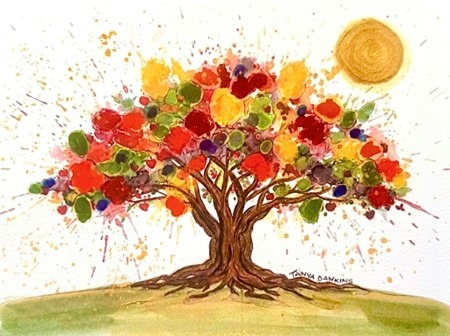
The Tree of Life Framework
Persistent health disparities in the United States necessitate transformative approaches to philanthropy that prioritize equity, trust, support, and innovation. The DRFHE Tree of Life serves as a metaphor for philanthropic practices that are rooted, expansive, and regenerative. In this model, each part of the tree and its surrounding ecosystem are explained to illustrate how the DRFHE funding model thrives.
The Roots: The DRFHE emerged from its parent humanitarian organization, Direct Relief, in 2021 amid the COVID-19 and racial injustice pandemics. Recognizing that structural inequities disproportionately harmed marginalized communities, donors like MacKenzie Scott enabled Direct Relief to redirect philanthropic power through trust-based giving to community-rooted organizations. Grounded in health equity and community leadership, DRFHE prioritizes unrestricted funding, enabling grantees focused on vulnerable populations to respond effectively to their communities’ evolving needs.
The Trunk: Direct Relief, the trunk (parent) organization, provided infrastructure and credibility to launch DRFHE with an initial gift of $50 million from corporate and individual donors. Governance emphasized inclusivity, transparency, listening, and accountability, advised by a board of internationally recognized health equity leaders. Organizations were funded based on demonstrated community trust and culturally competent care rather than past performance metrics. This structure fostered shared decision-making and long-term partnership.
The Branches: DRFHE outlined three primary goals: health care workforce diversification, (2) elimination of health disparities, and (3) support of technology and innovation. These translated into funded initiatives addressing mental and behavioral health, maternal health and reproductive justice, chronic disease prevention, environmental health, education, job-readiness training, and youth empowerment. The fund also supported Indigenous and tribal health programs, expanding its reach and inclusivity.
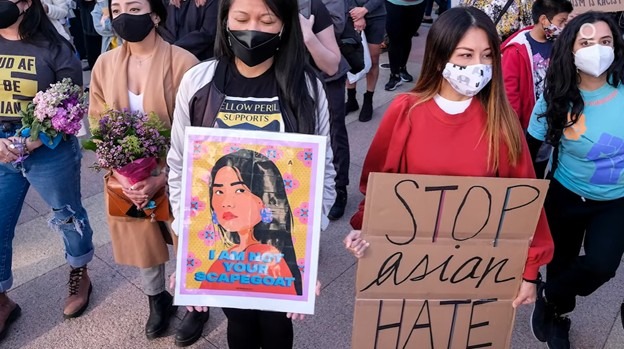
The Leaves and Fruits: DRFHE’s outcomes are both qualitative and quantitative. Measurable improvements include expanded clinic capacity and increased access to preventive care. Qualitative impacts emerge through grantee storytelling, showcasing narratives of healing, resilience, and transformation. These stories reinforce the fund’s commitment to listening, learning, and real-time adaptation.
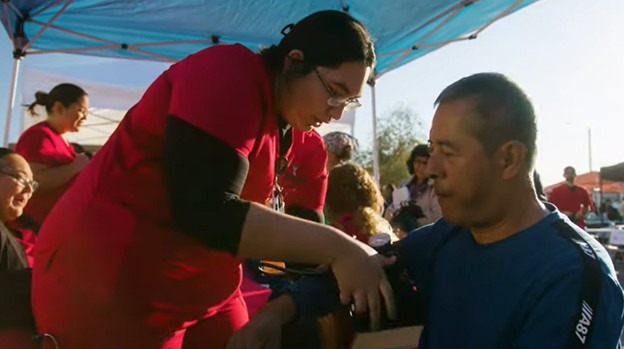
The Canopy: DRFHE transformed the funder-grantee relationship, with leadership from the DRFHE staff and advisory board acting as partners rather than overseers, shifting from control to humility and trust. This approach influenced broader philanthropic practices, demonstrating how donors can leverage influence ethically to elevate community priorities rather than impose external agendas. The fund modeled how donors and philanthropic organizations can participate in systemic change by creating space for grantee leadership and fostering sustainable impact. This approach replaced bureaucratic oversight with institutional humility and mutual trust.
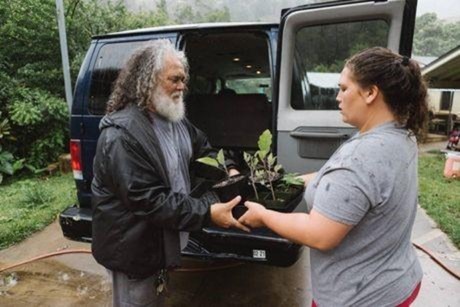
The Soil and Environment: DRFHE-supported communities have long endured systemic neglect, underfunding, and exclusion from traditional health systems. External conditions form the challenging “soil” where community health efforts must root. DRFHE recognized these challenges as indicators of where investment was most urgently needed, implementing “soil remediation” techniques, nourishing organizations with capital, peer networks, learning opportunities, technical assistance, training, and visibility. This context-sensitive approach ensured that funding met current immediate needs while laying foundations for long-term social and structural change.
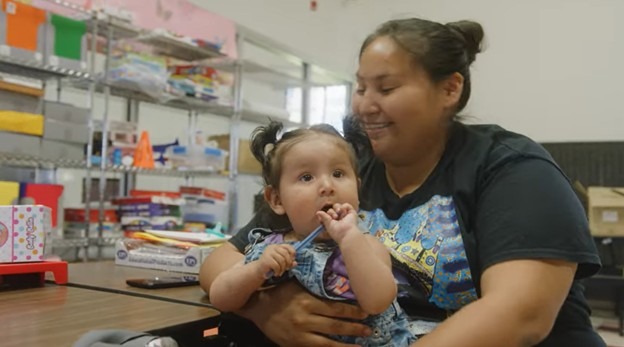
The Seeds and Saplings: DRFHE’s most powerful impact lies in catalyzing sustainable growth. Many grantees leveraged funding to secure additional investments, expand networks and pilot new care models. Community organizations are planting seeds for policy change, inter-organizational collaboration, and leadership development. From expanding youth health programs to institutionalizing culturally relevant care, DRFHE grantees are nurturing a new generation of health equity leaders. These saplings represent the future forest of justice-oriented care systems rooted in community, resilient by design, and flourishing over time.
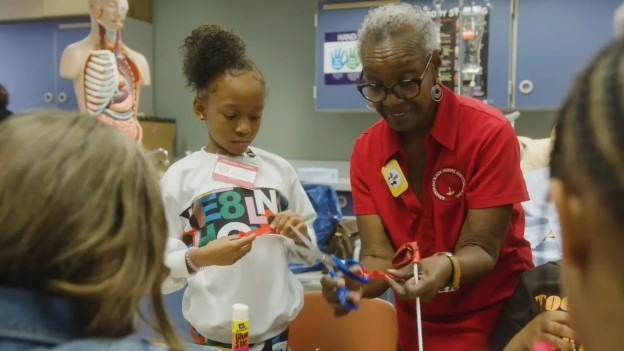
Nourished by Trust: Unlike traditional grants, DRFHE offered unrestricted funds, allowing grantees to make decisions based on intimate community knowledge. This flexibility enabled organizations to hire staff, expand services, and build infrastructure without bureaucratic constraints.
Examples from funded clinics to advocacy groups reveal how unrestricted funding catalyzed rapid innovation and deepened community engagement. Essentially, DRFHE recognized grantees’ unique expertise and trusted them to determine how best to serve their communities. These grantees demonstrated how inclusive decision-making can effectively yield impact and excellent outcomes.
Challenges and Opportunities
Implementing large-scale, unrestricted funding models presents real and persistent challenges, including ensuring equitable distribution across diverse communities, measuring impact in meaningful ways, and managing the administrative complexity that inevitably accompanies multi-site philanthropy. Over five years of operating the Direct Relief Fund for Health Equity (DRFHE), these challenges have been encountered, wrestled with, and in many cases transformed into hard-won institutional knowledge.
One of the most instructive early lessons was that flexibility is not simply a philosophical commitment. It must be built into the operational structure of the grant itself. Grantees regularly encountered conditions that required them to pivot: unexpected leadership transitions, organizational restructuring, and program timelines that could not anticipate real-world delays in implementation. In each case, the ability to reallocate budget lines, extend timelines with no-cost extensions, and restructure activities without seeking funder approval proved decisive. Rigid grant structures would have stalled or wasted these investments; adaptive ones preserved them.
A second major learning concerned the limits of uniform impact measurement across heterogeneous grantees. Community health centers serving vastly different populations, like Indigenous communities, Black maternal health patients, immigrant and refugee families, do not share the same indicators of progress. DRFHE evolved its approach by anchoring measurement to the CDC’s nine Social Vulnerability Categories as a shared framework while allowing grantees to define success within their own programmatic contexts, a balance between accountability and autonomy that took iteration to achieve. This approach documented reach across all nine vulnerability categories while simultaneously capturing grantee-specific outcomes meaningful to the communities they serve.
A third learning was the indispensable role of a Community of Practice. Rather than managing grantees in isolation, DRFHE convened grantees across cohorts to share challenges and solutions. This peer infrastructure reduced duplication, surfaced best practices faster, and, critically, gave smaller or newer organizations access to the institutional knowledge of more established grantees.
In addition to the implications shared in Table 1 regarding lessons learned, the DRFHE experience suggests several concrete recommendations for funders considering trust-based models at scale: design grant agreements with explicit flexibility provisions from the outset rather than treating modifications as exceptions; invest in a shared measurement framework that accommodates local context rather than imposing standardized metrics; build a grantee peer network early and resource it deliberately; and create a standing advisory body, as DRFHE did, with its Advisory Council comprising leaders in healthcare, public health, and social justice to keep grantee selection and strategic priorities grounded in community voice rather than funder preference. The overhead of doing this well is real, but it is substantially less costly than the alternative: well-intentioned funding that arrives too rigid to meet communities where they actually are.
Lessons Learned from the Direct Relief Fund for Health Equity (DRFHE) Tree of Life Framework
| Tree of Life Element | Key Lesson Learned | Implications for Philanthropic Practice |
| The Roots | Equity-centered philanthropy must begin with a clear commitment to addressing structural inequities and redistributing philanthropic power toward community-led organizations. | Funders should embed equity into their mission, funding priorities, and decision-making processes from the outset. |
| The Trunk | Inclusive governance structures strengthen trust and credibility with community partners. | Establish advisory boards and decision-making bodies that include community leaders and subject matter experts. |
| The Branches | Broad thematic priorities allow grantees to innovate while still aligning with shared goals. | Funders should define strategic pillars while allowing flexibility in program implementation to meet the unique needs of each grantee. |
| The Leaves and Fruits | Quantitative metrics alone cannot capture the full impact of community-led initiatives. | Evaluation frameworks should combine quantitative indicators with qualitative narratives and community feedback. |
| The Canopy | Trust-based philanthropy improves relationships between funders and grantees and promotes collaborative problem solving. | Funders should shift from oversight roles to partnership models that prioritize listening and learning. |
| The Soil and Environment | Organizations working in historically under-resourced communities require more than financial support. | Funders should provide ecosystem support, including technical assistance and peer networks. |
| The Seeds and Saplings | Flexible funding allows organizations to leverage resources, expand partnerships, and build long-term sustainability. | Multi-year unrestricted funding can help catalyze innovation and strengthen organizational resilience. |
| Nourished by Trust | Simplified application and reporting processes increase accessibility for community-based organizations. | Funders should reduce administrative barriers and adopt streamlined grantmaking practices that promote equitable participation. |
Applying the DRFHE Tree of Life Framework
- The Roots: Conduct a philanthropic equity audit and commit a defined percentage of funds to unrestricted grants.
- The Trunk: Move toward shared decision-making models and include grantees in funding strategy design.
- The Branches: Identify 2-4 strategic pillars and allow grantees autonomy in implementation.
- The Leaves and Fruits: Combine quantitative data with community narratives and develop mixed-method evaluation frameworks.
- The Canopy: As the grant maker, shift from evaluator to collaborator and conduct participatory site visits.
- The Soil and Environment: Recognize structural and environmental barriers as indicators of investment need and provide capacity-building mini-grants and shared services.
- The Seeds and Saplings: Support and track policy engagement and build leadership pipelines through mentorship, skill-building, and networking.
Conclusion
The DRFHE Tree of Life framework illustrates how philanthropy can grow beyond charity to become a powerful force for justice and community transformation. Rooted in trust, supported by inclusive infrastructure, and oriented toward impact, this model invites funders, community organizations, and policymakers to reimagine possibilities when equity is both seed and soil. The work of DRFHE is evidence that large scale, unrestricted, trust-based funding can function as an infrastructure for health equity when coupled with intentional governance, community accountability, and learning systems. To cultivate lasting change, philanthropy must not only fund the work, but it must also nourish the roots of community power so that one Tree of Life can begin evergreen forests around the globe.
Key Takeaways for Grantmakers
- Funders do not need heavy bureaucratic oversight to achieve impact. Trust, flexibility, and shared governance can strengthen outcomes.
- Community credibility should be valued as highly as traditional financial indicators.
- Health equity funding requires “soil remediation” where grantmakers invest in infrastructure, networks, and long-term capacity.
- The flexibility that accompanies unrestricted funding accelerates adaptation to an increasingly complex socioeconomic, political, and health environment in which grantees must operate, including unexpected challenges faced by communities served, as well as abrupt changes to policies that affect grantees’ operations.
- Impact measurement should integrate narrative evidence, especially when working with marginalized communities.
Acknowledgements:
We would like to thank Tanya Dawkins for her vision and artistry displayed in her rendering of the Tree of Life. We would also like to thank the Direct Relief Fund for Health Equity Advisory Board for their support.