
Getting in Formation: Working Together to Build Healthy Communities
From breakout sessions to quick takes and wellness activities to two inspiring plenary sessions, every corner during day two of the Grantmakers In Health (GIH) Annual Conference on Health Philanthropy, Life, Liberty, and the Pursuit of Health was filled with conversation and connection. The day’s agenda focused on how funders can find and use their voices to stand up in this moment of change, including doubling down on their values; taking bigger, bolder risks alongside grantees; and seeking partnerships spanning the private and public sectors.
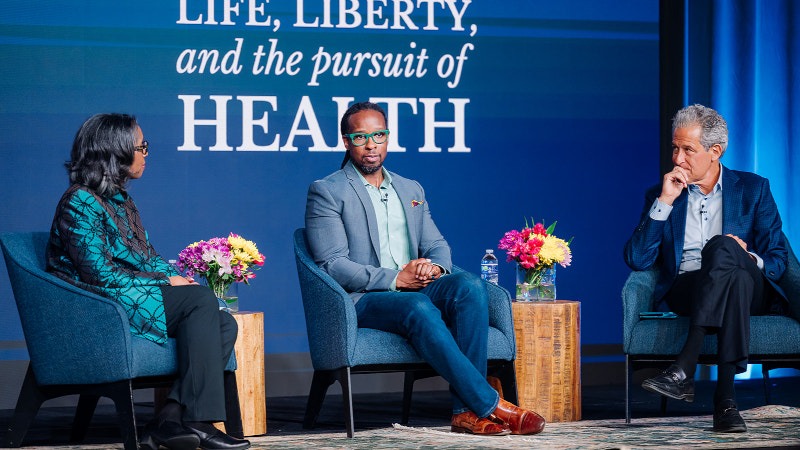
Life, Liberty, and the Pursuit of Health in Action
Life, Liberty, and the Pursuit of Health is more than this year’s Annual Conference on Health Philanthropy theme; it is the foundation for every planned session, unexpected learning moment, and conversation in Baltimore from June 8-11. The pre-conference kicked off with a range of discussions centered on the theme, including the state of Medicaid after H.R. 1, the connection between democracy and better health outcomes, and collaborations in public health funding.
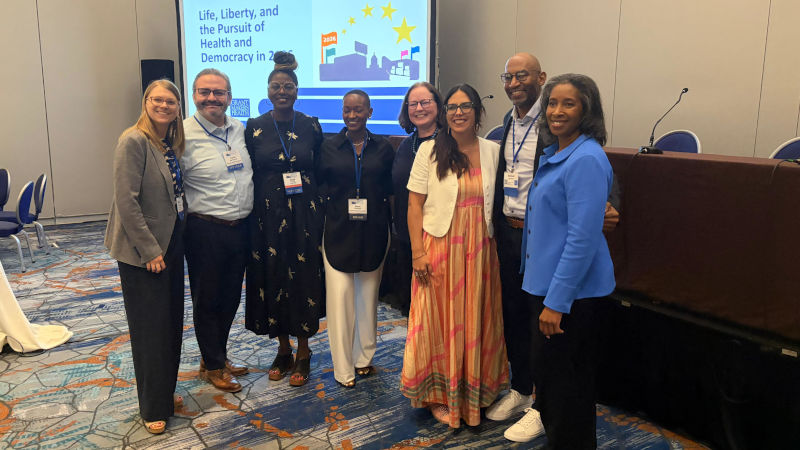
Health Philanthropy Working at the Intersections Between Critical Issues
Life, Liberty, and the Pursuit of Health is more than this year’s Annual Conference on Health Philanthropy theme; it is the foundation for every planned session, unexpected learning moment, and conversation in Baltimore from June 8-11. The pre-conference kicked off with a range of discussions centered on the theme, including the state of Medicaid after H.R. 1, the connection between democracy and better health outcomes, and collaborations in public health funding.
GIH Health Policy Update Newsletter
The Latest
An Exclusive Resource for Funding Partners
The Health Policy Update is a newsletter produced in collaboration with Leavitt Partners and Trust for America’s Health. Drawing on GIH’s policy priorities outlined in our policy agenda and our strategic objective of increasing our policy and advocacy presence, the Health Policy Update provides GIH Funding Partners with a range of federal health policy news.

St. David’s Foundation: May 2021
Patient-Centered Outcomes Research Institute (PCORI) is accepting proposals for research designed to help improve postpartum outcomes for women experiencing disparities and towards better-informed health care decisions.
Patient-Centered Outcomes Research Institute: May 2021
Patient-Centered Outcomes Research Institute (PCORI) is accepting proposals for research designed to help improve postpartum outcomes for women experiencing disparities and towards better-informed health care decisions.
PagerDuty: May 2021
PagerDuty launched $1 million in grants for equitable COVID-19 vaccine access and distribution via the PagerDuty.org Fund to help eligible nonprofits and social enterprises deliver more COVID-19 vaccines faster.
New York State Health Foundation: May 2021
The New York State Health Foundation has released a Request for Proposals (RFP) to support policies and programs that connect New Yorkers with the food they need to thrive.
Robert Wood Johnson Foundation: May 2021
The Robert Wood Johnson Foundation is funding efforts to examine how recent Medicaid policy changes may alleviate or exacerbate racial inequity and structural racism.
Mary Black Foundation: May 2021
The Mary Black Foundation considers grantmaking to be an investment in Spartanburg, South Carolina that will contribute to improved health, wellness, and success. Therefore, it seeks to invest in strong, well-run organizations that are clear about what results they will achieve and how the results will be measured.