
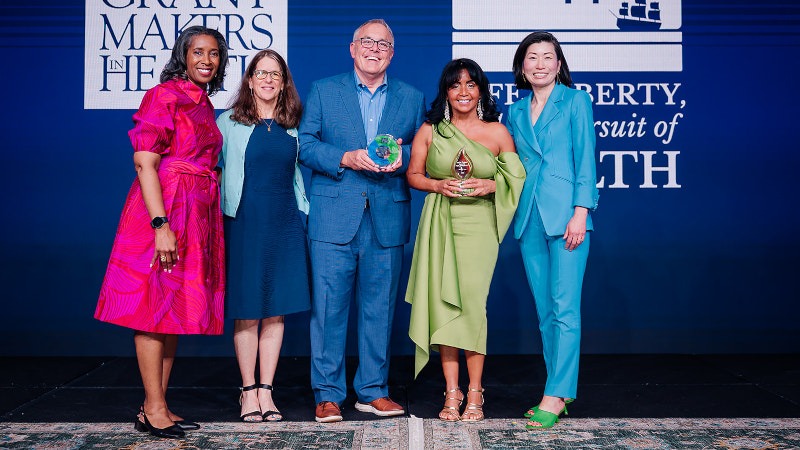
Getting in Formation: Working Together to Build Healthy Communities
From breakout sessions to quick takes and wellness activities to two inspiring plenary sessions, every corner during day two of the Grantmakers In Health (GIH) Annual Conference on Health Philanthropy, Life, Liberty, and the Pursuit of Health was filled with conversation and connection. The day’s agenda focused on how funders can find and use their voices to stand up in this moment of change, including doubling down on their values; taking bigger, bolder risks alongside grantees; and seeking partnerships spanning the private and public sectors.
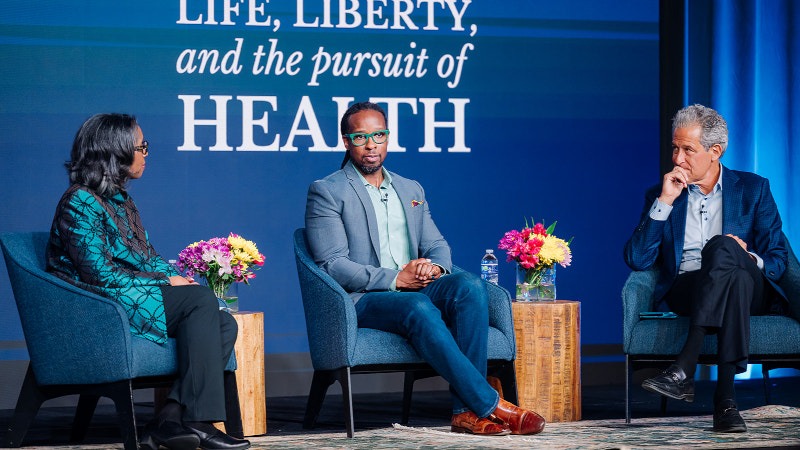
Life, Liberty, and the Pursuit of Health in Action
Life, Liberty, and the Pursuit of Health is more than this year’s Annual Conference on Health Philanthropy theme; it is the foundation for every planned session, unexpected learning moment, and conversation in Baltimore from June 8-11. The pre-conference kicked off with a range of discussions centered on the theme, including the state of Medicaid after H.R. 1, the connection between democracy and better health outcomes, and collaborations in public health funding.
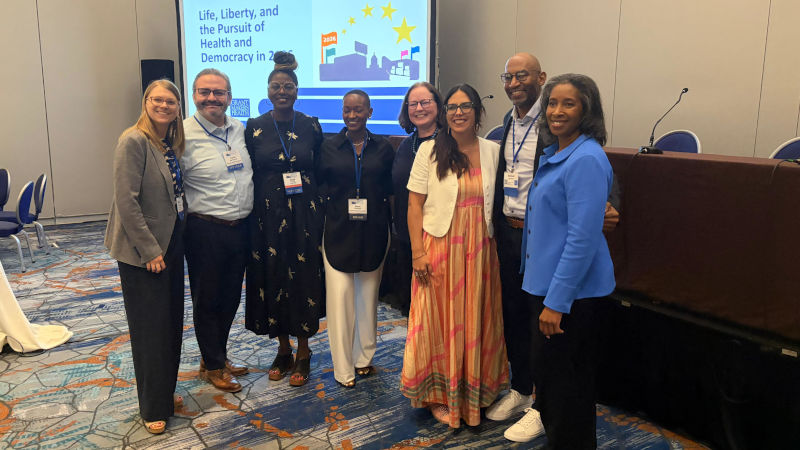
Health Philanthropy Working at the Intersections Between Critical Issues
Life, Liberty, and the Pursuit of Health is more than this year’s Annual Conference on Health Philanthropy theme; it is the foundation for every planned session, unexpected learning moment, and conversation in Baltimore from June 8-11. The pre-conference kicked off with a range of discussions centered on the theme, including the state of Medicaid after H.R. 1, the connection between democracy and better health outcomes, and collaborations in public health funding.
GIH Health Policy Update Newsletter
The Latest
An Exclusive Resource for Funding Partners
The Health Policy Update is a newsletter produced in collaboration with Leavitt Partners and Trust for America’s Health. Drawing on GIH’s policy priorities outlined in our policy agenda and our strategic objective of increasing our policy and advocacy presence, the Health Policy Update provides GIH Funding Partners with a range of federal health policy news.
Philanthropy @ Work – Grants and Programs – January 2021
The latest on grants and programs from the field.
COVID-19 Grants and Programs – January 2021
The latest on COVID-19 grants and programs from the field.
National Day of Racial Healing
Many people would like to talk about the impact of racism—and the need for racial healing—but don’t know where to start. The goal of the fifth annual National Day of Racial Healing, hosted by the W.K. Kellogg Foundation, is to bridge divides, affirm our common humanity and together, create more just and equitable communities. Join the conversation on Tuesday, January 19, 2021.

Grants for Black Equity & Health Policy Advocacy
The California Wellness Foundation’s latest round of grants supports visionary Black-led and Black-empowering organizations, and statewide nonprofits working at the intersection of public policy, health equity and racial justice. Grants will support organizations addressing barriers to health and wellness in historically underinvested communities, including people of color, formerly incarcerated and homeless people, immigrants, women, and people with disabilities.

GIH Announces New Board Members
Grantmakers In Health (GIH) is pleased to announce that Elizabeth Fowler, Maria Socorro Pesqueira, Qiana Thomason, Winston Wong, and Emily Yu have been elected to its board of directors.
Foundations Respond to Crisis: Toward Equity?
The disproportionate public health and economic impacts of the COVID-19 pandemic on certain communities, along with nationwide protests against police violence and racial injustice, have intensified the calls for foundations to focus on equity and reckon with anti-Black racism in a deeper way than they had before.