
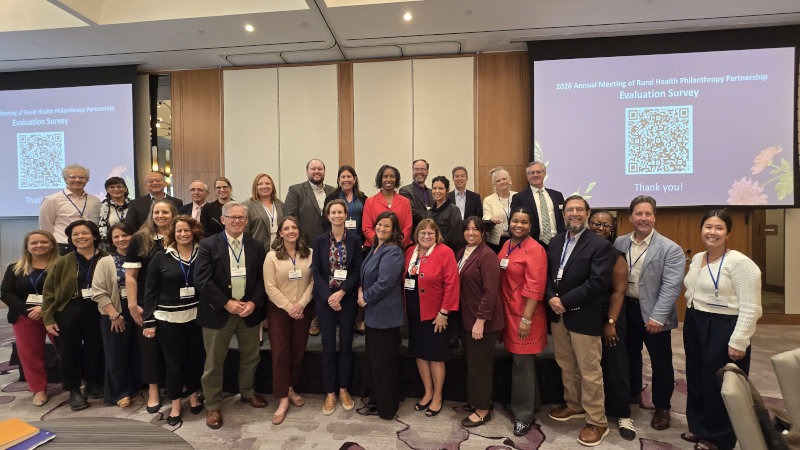
Make Connections to Create a Movement for Rural Health
On Thursday, September 24, the Annual Meeting of the Rural Health Philanthropy Partnership kicked off in downtown Bethesda, MD. Selected highlights from the convening’s first day setting the stage for a full day of sessions and networking opportunities centered on how collaboration can build on progress already underway in rural and tribal communities, including rural health transformation efforts.

NJ SNIP: Supporting Behavioral Health Access Through Trust-based Grantmaking
Amid shifting federal health care funding, grants that enable health care safety net entities to respond to the changing landscape can unlock immense value. This form of grantmaking puts daily program-related decisions in the hands of people doing the work, allowing organizations to develop and sustain staff positions, workflows, and programs that reflect their priorities.

Leaning Into Radical Collaboration Will Advance Your Focused Mission
At this year’s GIH annual conference, I found myself surrounded by hundreds of philanthropic leaders deeply committed to improving the health and well-being of their communities. Again and again, I met funders whose work was grounded in a particular place, population, or issue. These funders know their communities intimately. They understand local history, relationships, and the needs of their communities. Their focus is one of their greatest strengths.

Changing the Vaccine Conversation Before It’s Too Late—What Can Philanthropy Do?
In July 2026, the United States reached a grim milestone when the number of confirmed cases of measles exceeded the total for all of 2025. On August 10, 2026, the White House issued an executive order directing changes to the federal childhood vaccine schedule and categories, and calls for availability of separate measles, mumps, and rubella vaccines. The science has not changed, but the new framework could significantly slow down the delivery of protective immunizations from these serious diseases.
GIH Health Policy Update Newsletter
An Exclusive Resource for Funding Partners
The Health Policy Update is a newsletter produced in collaboration with Leavitt Partners and Trust for America’s Health. Drawing on GIH’s policy priorities outlined in our policy agenda and our strategic objective of increasing our policy and advocacy presence, the Health Policy Update provides GIH Funding Partners with a range of federal health policy news.

Philanthropy @ Work – Grants and Programs – November 2020
The latest on grants and programs from the field.
COVID-19 Grants and Programs – November 2020
The latest on COVID-19 grants and programs from the field.
We’re Moving!
The GIH office has relocate to a new suite (in the same building) as of October 22, 2020. Please note the following address in your system to ensure that we continue to hear from you: 1100 Connecticut Avenue NW, Suite 1100

Supporting Emerging Leaders Amid a Pandemic
This year has placed a spotlight on many things, including the importance of leadership during times of crisis and uncertainty. I recently had the pleasure of welcoming the newest cohort of fellows to the Terrance Keenan Institute for Emerging Leaders in Health Philanthropy. We spent three afternoons together learning about each other’s leadership style, talking about how to foster more diverse and inclusive work environments, discussing how to advance health equity through the work of their foundations, and engaging community leaders in a discussion on power sharing and how to more effectively partner with community organizations to effect change.

Defeating the Deadly Double: Depression and Diabetes
Inadequate access to mental health services, diabetes, and obesity are the top-ranked critical service gaps in virtually all community health needs assessments conducted by local health departments and nonprofit hospitals throughout Virginia. Diabetes and depression are also among the top three conditions treated in Virginia’s health safety net organizations.