Submit a Session Proposal for the 2027 GIH Annual Conference on Health Philanthropy
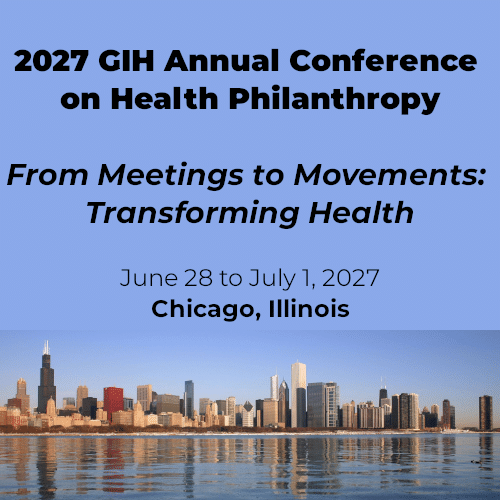
We invite you to submit a session proposal for the 2027 Grantmakers In Health (GIH) Annual Conference on Health Philanthropy, From Meetings to Movements: Transforming Health, which will be held in person in Chicago, Illinois, from June 28 to July 1, 2027. From Meetings to Movements: Transforming Health Forty-five years ago, a small group of…
Make Connections to Create a Movement for Rural Health
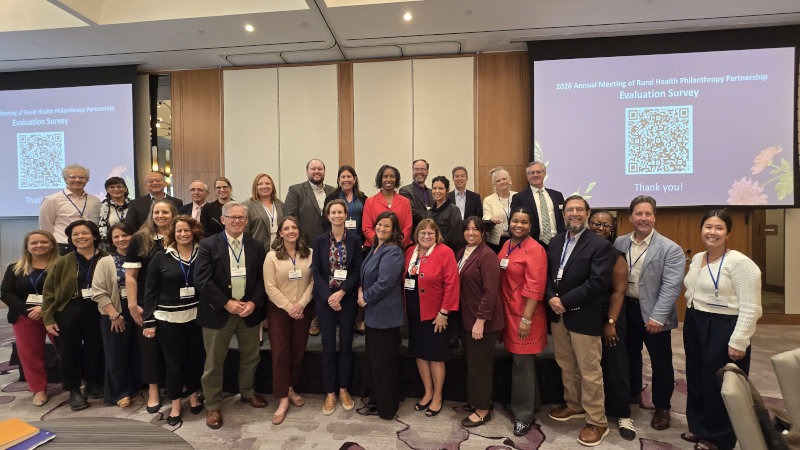
On Thursday, September 24, the Annual Meeting of the Rural Health Philanthropy Partnership kicked off in downtown Bethesda, MD. Selected highlights from the convening’s first day setting the stage for a full day of sessions and networking opportunities centered on how collaboration can build on progress already underway in rural and tribal communities, including rural health transformation efforts.

NJ SNIP: Supporting Behavioral Health Access Through Trust-based Grantmaking
Amid shifting federal health care funding, grants that enable health care safety net entities to respond to the changing landscape can unlock immense value. This form of grantmaking puts daily program-related decisions in the hands of people doing the work, allowing organizations to develop and sustain staff positions, workflows, and programs that reflect their priorities.

Leaning Into Radical Collaboration Will Advance Your Focused Mission
At this year’s GIH annual conference, I found myself surrounded by hundreds of philanthropic leaders deeply committed to improving the health and well-being of their communities. Again and again, I met funders whose work was grounded in a particular place, population, or issue. These funders know their communities intimately. They understand local history, relationships, and the needs of their communities. Their focus is one of their greatest strengths.
GIH Health Policy Update Newsletter
An Exclusive Resource for Funding Partners
The Health Policy Update is a newsletter produced in collaboration with Leavitt Partners and Trust for America’s Health. Drawing on GIH’s policy priorities outlined in our policy agenda and our strategic objective of increasing our policy and advocacy presence, the Health Policy Update provides GIH Funding Partners with a range of federal health policy news.

Defeating the Deadly Double: Depression and Diabetes
Inadequate access to mental health services, diabetes, and obesity are the top-ranked critical service gaps in virtually all community health needs assessments conducted by local health departments and nonprofit hospitals throughout Virginia. Diabetes and depression are also among the top three conditions treated in Virginia’s health safety net organizations.

Responding to COVID-19 and Beyond
In the early days of the COVID-19 pandemic, the Trust was compelled to do our part. Like most philanthropic organizations, we were determined to maximize impact and make grants quickly, while also adhering to our due diligence standards.

From Citizen-Led Ballot Initiative to Community-Centered Solutions for Mental Health and Substance Misuse
Our mission is to address Denver’s mental health and substance misuse needs by growing community-informed solutions, dismantling stigma, and turning the community’s desire to help into action. In less than one year of operation, we have funded 41 organizations and five City agencies and provided $17.3 million in funding to the Denver community.

Innovation in the Safety Net
This country’s safety net health system has always been a place of innovation. The safety net includes community health centers and public hospitals that serve the 100 million patients who either have Medicaid or lack health insurance entirely. With limited resources and patients with complex medical, social, and behavioral health needs, the safety net has long had to innovate out of necessity.

Health Equity: Our Way Forward …Through COVID-19 and Beyond
Eric Kelly, President, Quantum Foundation For health funders, it is essential that we realize that even given all of the unforeseen devastation of COVID-19, and the compounding social crises in its wake, many of our communities began 2020 already in a health crisis. These pre-existing conditions allowed a global pandemic that does not discriminate to…

Pioneering Health-Wealth Solutions for Children
Today, as we navigate the pandemic, deep racial and economic inequities in health and wealth outcomes have been revealed and amplified for children—especially children of color. Health and wealth are inextricably linked. Investments to improve health outcomes using the social determinants of health and to promote financial well-being across families are mutually supportive. The ultimate goal is to ensure that all children are healthy, financially secure, and live in families without daily financial stressors because of assets and wealth.