
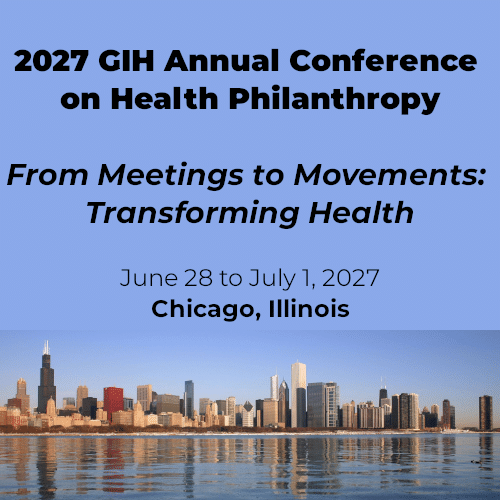
Submit a Session Proposal for the 2027 GIH Annual Conference on Health Philanthropy
We invite you to submit a session proposal for the 2027 Grantmakers In Health (GIH) Annual Conference on Health Philanthropy, From Meetings to Movements: Transforming Health, which will be held in person in Chicago, Illinois, from June 28 to July 1, 2027. From Meetings to Movements: Transforming Health Forty-five years ago, a small group of…
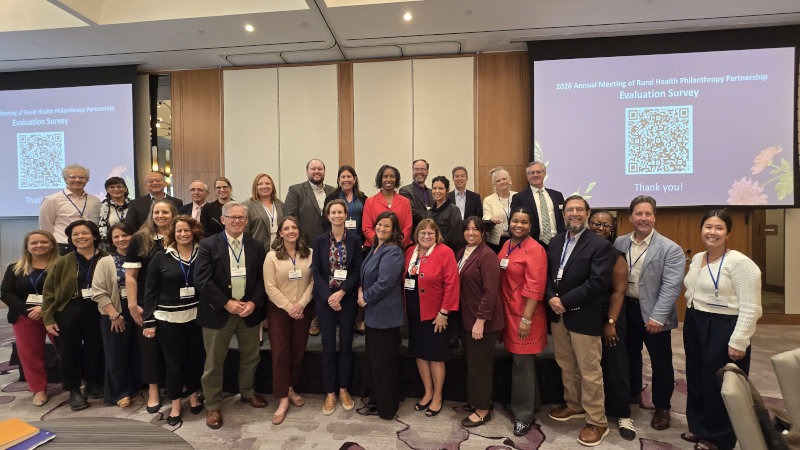
Make Connections to Create a Movement for Rural Health
On Thursday, September 24, the Annual Meeting of the Rural Health Philanthropy Partnership kicked off in downtown Bethesda, MD. Selected highlights from the convening’s first day setting the stage for a full day of sessions and networking opportunities centered on how collaboration can build on progress already underway in rural and tribal communities, including rural health transformation efforts.

NJ SNIP: Supporting Behavioral Health Access Through Trust-based Grantmaking
Amid shifting federal health care funding, grants that enable health care safety net entities to respond to the changing landscape can unlock immense value. This form of grantmaking puts daily program-related decisions in the hands of people doing the work, allowing organizations to develop and sustain staff positions, workflows, and programs that reflect their priorities.

Leaning Into Radical Collaboration Will Advance Your Focused Mission
At this year’s GIH annual conference, I found myself surrounded by hundreds of philanthropic leaders deeply committed to improving the health and well-being of their communities. Again and again, I met funders whose work was grounded in a particular place, population, or issue. These funders know their communities intimately. They understand local history, relationships, and the needs of their communities. Their focus is one of their greatest strengths.
GIH Health Policy Update Newsletter
An Exclusive Resource for Funding Partners
The Health Policy Update is a newsletter produced in collaboration with Leavitt Partners and Trust for America’s Health. Drawing on GIH’s policy priorities outlined in our policy agenda and our strategic objective of increasing our policy and advocacy presence, the Health Policy Update provides GIH Funding Partners with a range of federal health policy news.

20 Years of Progress – Two Tobacco Ways in Indian Country
In order to respectfully and effectively address the harmful epidemic of cigarette smoking among American Indian adults, ClearWay Minnesota listened carefully to Native communities and adopted a model that focused on the dangers of commercial tobacco use while honoring the traditional healing traditions of tobacco. This model is referred to as the “two tobacco ways” framework and serves as an instructive illustration of how context is important in addressing health disparities and heath equity across communities.

The Air That We Breathe
We and many colleagues believe that, in order to strengthen responses to the pressing crises we face, we must consider some converging determinants of health—racism, climate change, and COVID-19—together. Doing so is essential, not just for crisis management, but also for building resilient systems and infrastructure that enable everyone, particularly Black, Indigenous, and people of color communities, to breathe.

Managing America’s Crises Means Addressing the Political Determinants of Health
Too often we stop at these social drivers of inequities, however, and miss the link between social determinants of health and their political roots. Every social determinant of health is preceded by a political action, inaction, or impetus. Political determinants of health create the social drivers—including poor environmental conditions, inadequate transportation, unsafe neighborhoods, and lack of healthy food options—that affect all other dynamics of health.

Health Equity … It’s a Journey, Not a Destination
COVID-19 has struck with a vengeance, hitting African Americans, older adults, and those with chronic health conditions the hardest. Simultaneously, our nation is experiencing a moment of reckoning, resulting from a long history of racism that has shaped the foundation of this country and thus permeates every system and institution.

Muslim Chaplaincy: Cultural and Faith Based Leadership for Better Health
For years, hospitals have offered interfaith chaplains to provide faith support for Muslim families. But over 95 percent of these chaplains come from Christian backgrounds. In Minnesota, which has a Muslim population of about 150,000, it has become clear that it could be enormously beneficial to integrate appropriate faith leaders into systems of care in order to overcome significant cultural gaps between community and health care providers and provide meaningful support to families facing critical life questions.

Health Equity and the Earned Income Tax Credit (EITC): COVID-19 Spotlights the Need for Cross-Sector Collaborations
Three years ago, the EITC Funders Network started more deeply exploring the growing body of research on the intersections between the Earned Income Tax Credit and health outcomes. This research became a foundation for fostering cross-sector discussions and collaborations to promote both economic opportunity and health equity.