Submit a Session Proposal for the 2027 GIH Annual Conference on Health Philanthropy
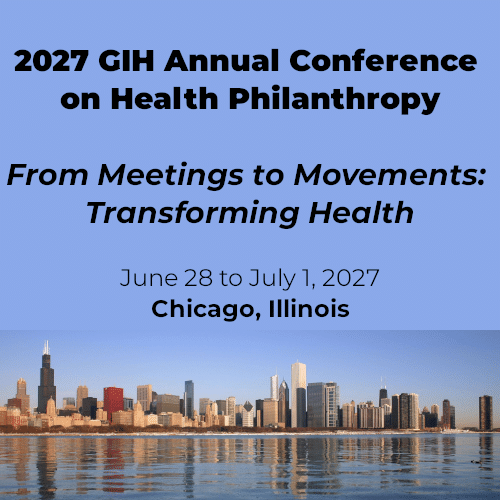
We invite you to submit a session proposal for the 2027 Grantmakers In Health (GIH) Annual Conference on Health Philanthropy, From Meetings to Movements: Transforming Health, which will be held in person in Chicago, Illinois, from June 28 to July 1, 2027. From Meetings to Movements: Transforming Health Forty-five years ago, a small group of…
Make Connections to Create a Movement for Rural Health
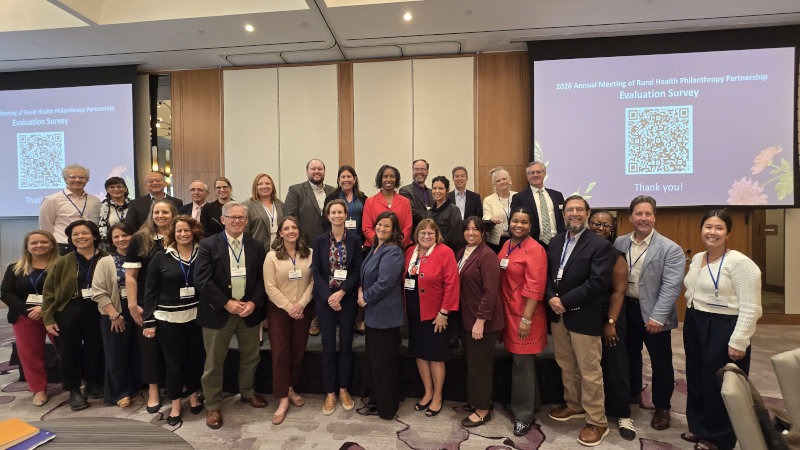
On Thursday, September 24, the Annual Meeting of the Rural Health Philanthropy Partnership kicked off in downtown Bethesda, MD. Selected highlights from the convening’s first day setting the stage for a full day of sessions and networking opportunities centered on how collaboration can build on progress already underway in rural and tribal communities, including rural health transformation efforts.

NJ SNIP: Supporting Behavioral Health Access Through Trust-based Grantmaking
Amid shifting federal health care funding, grants that enable health care safety net entities to respond to the changing landscape can unlock immense value. This form of grantmaking puts daily program-related decisions in the hands of people doing the work, allowing organizations to develop and sustain staff positions, workflows, and programs that reflect their priorities.

Leaning Into Radical Collaboration Will Advance Your Focused Mission
At this year’s GIH annual conference, I found myself surrounded by hundreds of philanthropic leaders deeply committed to improving the health and well-being of their communities. Again and again, I met funders whose work was grounded in a particular place, population, or issue. These funders know their communities intimately. They understand local history, relationships, and the needs of their communities. Their focus is one of their greatest strengths.
GIH Health Policy Update Newsletter
An Exclusive Resource for Funding Partners
The Health Policy Update is a newsletter produced in collaboration with Leavitt Partners and Trust for America’s Health. Drawing on GIH’s policy priorities outlined in our policy agenda and our strategic objective of increasing our policy and advocacy presence, the Health Policy Update provides GIH Funding Partners with a range of federal health policy news.

Philanthropy @ Work – Grants and Programs – January 2026
The latest on grants and programs from the field.

Grantmakers In Health Welcomes New Members to Board of Directors
Grantmakers In Health (GIH) is pleased to announce the elections of David Jordan, President and CEO, United Methodist Health Ministry Fund; and Regan Gruber Moffitt, Vice President of Community Investments, St. David’s Foundation; to its Board of Directors.

Deadlines in Health-Related Executive Orders and Presidential Memoranda
This GIH policy resource details many of the health-related executive orders issued by the administration and includes a calendar of upcoming implementation deadlines.
GIH President and CEO Cara V. James Joined The Rural Impact Podcast for a Conversation about the Intersections of Policy and Philanthropy
On December 4, 2025, Cara V. James, President and CEO of Grantmakers In Health (GIH), was featured in an episode of The Rural Impact podcast. She joined Michelle Rathman, host of The Rural Impact and strategic communications advisor in health care policy, for a conversation on the intersections of policy and philanthropy, challenges with rural health funding, and more. “Policies that are impacting rural communities are…
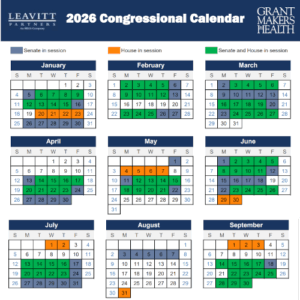
2026 Congressional Calendar
Developed in collaboration with Leavitt Partners, this calendar tracks when each house of congress will be in session in 2026.