

NJ SNIP: Supporting Behavioral Health Access Through Trust-based Grantmaking
Amid shifting federal health care funding, grants that enable health care safety net entities to respond to the changing landscape can unlock immense value. This form of grantmaking puts daily program-related decisions in the hands of people doing the work, allowing organizations to develop and sustain staff positions, workflows, and programs that reflect their priorities.

Leaning Into Radical Collaboration Will Advance Your Focused Mission
At this year’s GIH annual conference, I found myself surrounded by hundreds of philanthropic leaders deeply committed to improving the health and well-being of their communities. Again and again, I met funders whose work was grounded in a particular place, population, or issue. These funders know their communities intimately. They understand local history, relationships, and the needs of their communities. Their focus is one of their greatest strengths.
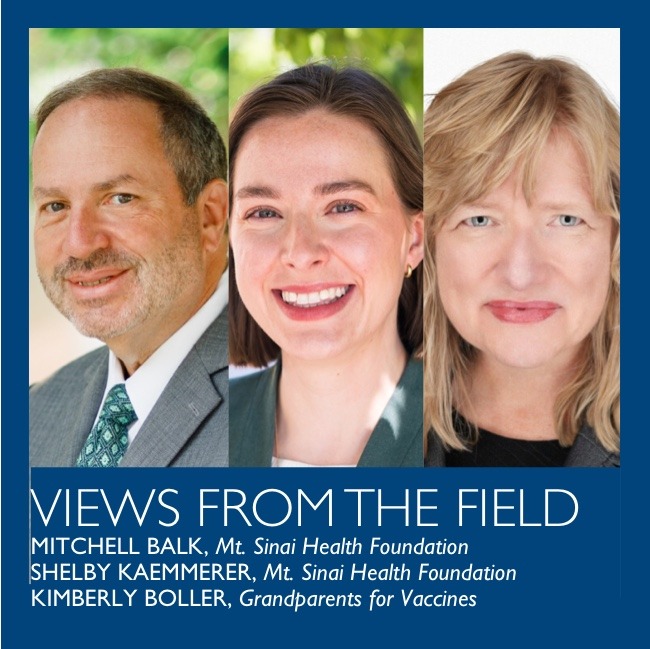
Changing the Vaccine Conversation Before It’s Too Late—What Can Philanthropy Do?
In July 2026, the United States reached a grim milestone when the number of confirmed cases of measles exceeded the total for all of 2025. On August 10, 2026, the White House issued an executive order directing changes to the federal childhood vaccine schedule and categories, and calls for availability of separate measles, mumps, and rubella vaccines. The science has not changed, but the new framework could significantly slow down the delivery of protective immunizations from these serious diseases.

Community Focused Strategies to Improve Health in West Baltimore
For far too long, residents of west Baltimore have faced continuous uphill battles to access basic amenities, services, jobs, and quality of life. Racism, redlining, eminent domain, disinvestment, school closures, poverty, violent crime, chronic health conditions, failed affordable housing, and the outmigration of businesses and residents have left behind vacant housing and dilapidated commercial corridors. These challenges result in a 17-year difference in life expectancy between residents of west Baltimore neighborhoods compared to other parts of the city.
GIH Health Policy Update Newsletter
An Exclusive Resource for Funding Partners
The Health Policy Update is a newsletter produced in collaboration with Leavitt Partners and Trust for America’s Health. Drawing on GIH’s policy priorities outlined in our policy agenda and our strategic objective of increasing our policy and advocacy presence, the Health Policy Update provides GIH Funding Partners with a range of federal health policy news.
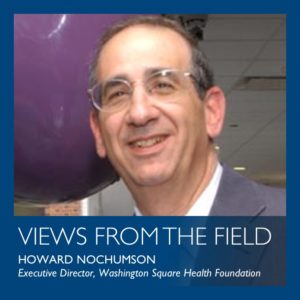
COVID-19: The Eleventh Plague
In a time of crisis, the usual response of the philanthropic world is to focus on the provision of direct assistance. While such a response is admirable in most crisis situations, COVID-19 presents new challenges that may call for us to go against that initial impulse.

Philanthropy’s Role in Health Justice, Before and After COVID-19
So many people here in Connecticut and across the country live deep beneath the affluent surface. This virus, like the infrared technology, has highlighted the fault lines in our fragmented health care system through which many of them are falling.
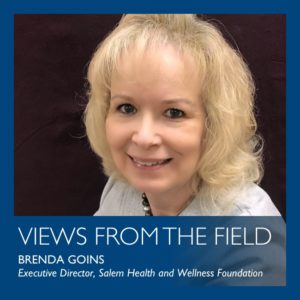
Impact Investing: A Unique Partnership, Opening the Door to Increased Access to Health Care
The Salem Health and Wellness Foundation was created with the proceeds from the sale of the nonprofit Memorial Hospital of Salem County when it was converted from nonprofit to for-profit status in 2002.

Smaller Foundations, Balancing Community Needs and Self-Sustainability
But we know that making a dent in deep societal issues and in drivers of health outcomes and health equity—like systemic oppression, institutionalized racism, and generational poverty—takes a lot more than writing a check.

Eight Ways to Build a Healthier Tomorrow as a Small Foundation
But we know that making a dent in deep societal issues and in drivers of health outcomes and health equity—like systemic oppression, institutionalized racism, and generational poverty—takes a lot more than writing a check.