
Grantmakers In Health Joins Amicus Brief Challenging Medicaid Work Requirement Rule
Grantmakers In Health (GIH) has joined an amicus curiae brief filed September 10 in Commonwealth of Massachusetts v. Oz, supporting a challenge to a federal rule that the brief argues would strip Medicaid coverage from millions of people with serious health conditions. GIH joined the American Public Health Association, the Jacobs Institute of Women’s Health…
Health-Related Executive Orders and Presidential Memoranda
This Grantmakers In Health policy resource summarizes health-related executive orders and presidential memoranda issued since 2015, highlighting implications for health funders. It tracks directives on behavioral health, Medicaid, prescription drugs, federal grantmaking, DEI, gender-affirming care, child welfare, vaccines, and related litigation affecting implementation.
August 2026 Executive Order on Childhood Vaccines: Overview, Implications, and Stakeholder Reactions
This Grantmakers In Health policy resource provides an overview of the August 2026 executive order on childhood vaccines, including the restructuring of the federal immunization schedule, the directive to split the MMR vaccine, implications for insurance coverage, family costs, and state exemption laws, and reactions from stakeholders.
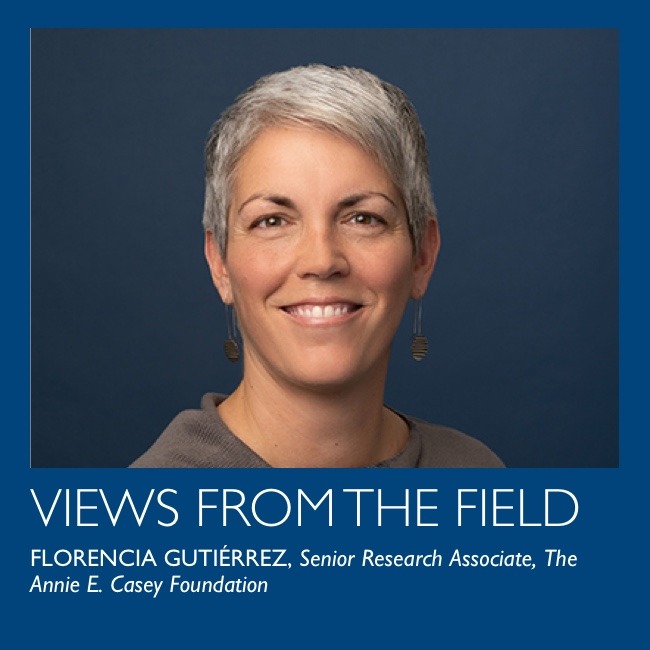
Beyond the Rankings: What Four Decades of KIDS COUNT Have Taught Me About Why Data Matter
For more than three decades, through the Annie E. Casey Foundation’s KIDS COUNT® project, decisionmakers and communities have had access to reliable national, state, and local data to improve outcomes for all children, young people, and families in this country. KIDS COUNT comprises the foundation’s national KIDS COUNT publications—the annual KIDS COUNT Data Book and periodic reports such as Race for Results; the KIDS COUNT Data Center, a resource for year-round national, state, and local data; and the KIDS COUNT Network of state-based partner organizations that help policymakers, advocates, journalists, and community leaders understand and use data to make informed decisions.
GIH Health Policy Update Newsletter
An Exclusive Resource for Funding Partners
The Health Policy Update is a newsletter produced in collaboration with Leavitt Partners and Trust for America’s Health. Drawing on GIH’s policy priorities outlined in our policy agenda and our strategic objective of increasing our policy and advocacy presence, the Health Policy Update provides GIH Funding Partners with a range of federal health policy news.
Allegany Franciscan Ministries RFP: February 2017
The Overtown Council for the Common Good, launched by Allegany Franciscan Ministries, is seeking proposals from qualified community stakeholders with diverse backgrounds, experiences, skill sets, and perspectives to collaborate around one of the community’s priorities, ensuring that Community Voices in Overtown Inform Policies and Decisions.
Harvard Pilgrim Health Care Foundation Report: February 2017
The Health Equity Roundtable (“Roundtable”) is a program of the Harvard Pilgrim Health Care Foundation, designed to help Harvard Pilgrim and the health care industry tackle some of the important health disparities by soliciting input from those individuals most directly impacted by disparities in health and health status.

Health Philanthropy in 2017
In 2017, every American community will be affected by changes to the health policy landscape. Major modifications of the Affordable Care Act (ACA) are already under consideration, while other new or revised policies with the potential to affect access to health care or coverage may be revealed in time.
All Hands on Mission
Allegany Franciscan Ministries is a mission-driven grantmaker whose staff, board, and community volunteers strive to understand and connect with the realities faced by the marginalized communities served by the organization.
Policy Matters: How the Affordable Care Act Has Changed Our Grantmaking
Health reform is not for the faint of heart. When we began drafting this article, it took shape as a reflective piece on the ways in which the Patient Protection and Affordable Care Act (ACA) had affected our grantmaking.