Make Connections to Create a Movement for Rural Health
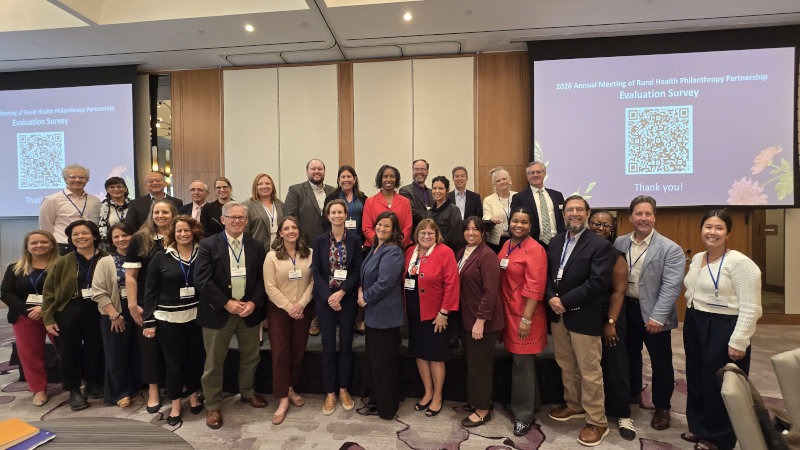
On Thursday, September 24, the Annual Meeting of the Rural Health Philanthropy Partnership kicked off in downtown Bethesda, MD. Selected highlights from the convening’s first day setting the stage for a full day of sessions and networking opportunities centered on how collaboration can build on progress already underway in rural and tribal communities, including rural health transformation efforts.

NJ SNIP: Supporting Behavioral Health Access Through Trust-based Grantmaking
Amid shifting federal health care funding, grants that enable health care safety net entities to respond to the changing landscape can unlock immense value. This form of grantmaking puts daily program-related decisions in the hands of people doing the work, allowing organizations to develop and sustain staff positions, workflows, and programs that reflect their priorities.

Leaning Into Radical Collaboration Will Advance Your Focused Mission
At this year’s GIH annual conference, I found myself surrounded by hundreds of philanthropic leaders deeply committed to improving the health and well-being of their communities. Again and again, I met funders whose work was grounded in a particular place, population, or issue. These funders know their communities intimately. They understand local history, relationships, and the needs of their communities. Their focus is one of their greatest strengths.

Changing the Vaccine Conversation Before It’s Too Late—What Can Philanthropy Do?
In July 2026, the United States reached a grim milestone when the number of confirmed cases of measles exceeded the total for all of 2025. On August 10, 2026, the White House issued an executive order directing changes to the federal childhood vaccine schedule and categories, and calls for availability of separate measles, mumps, and rubella vaccines. The science has not changed, but the new framework could significantly slow down the delivery of protective immunizations from these serious diseases.
GIH Health Policy Update Newsletter
An Exclusive Resource for Funding Partners
The Health Policy Update is a newsletter produced in collaboration with Leavitt Partners and Trust for America’s Health. Drawing on GIH’s policy priorities outlined in our policy agenda and our strategic objective of increasing our policy and advocacy presence, the Health Policy Update provides GIH Funding Partners with a range of federal health policy news.
New York State Health Foundation RFP: September 2016
The New York State Health Foundation (NYSHealth) 2017 Special Projects Fund Request for Proposals (RFP) is now available.
The Colorado Health Foundation RFP: September 2016
The Colorado Health Foundation announced a funding opportunity within its Health Care outcome area of Telehealth.
Foundation for a Healthy Kentucky Report: September 2016
Multiracial and black Kentuckians tend to report higher rates of smoking, obesity, asthma, and poor mental health than their white counterparts, according to a new report by the Foundation for a Healthy Kentucky. The report also found that black and Hispanic Kentuckians are less likely to have health insurance than white Kentuckians.
Foundations’ Roles in Addressing Tobacco Use
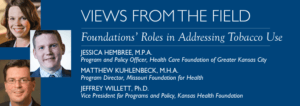
Tobacco remains the leading preventable cause of death in the United States and the world and is a major factor in four of the five leading causes of death.
New Research Can Help Health and Housing Experts Arrive at a Common Messaging Frame
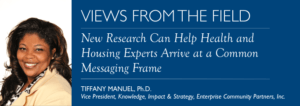
We have more evidence than ever before that housing is one of the most important social determinants of health and one of the most efficient platforms for improving health outcomes. In February, Enterprise Community Partners released new research conducted in conjunction with the Center for Outcomes Research and Education, which provided quantitative evidence of the long-term positive impact that affordable housing has on health outcomes for the most vulnerable and difficult to serve.