

A New Path for Philanthropy: Supporting Oral Health Through Community Partnerships
Good nutrition is essential to good oral as well as overall health. A community-based organization in central Washington state called APOYO shares this belief with Arcora Foundation. Beyond food and nutrition services, the organization has long supported immigrant and Latinx families with culturally relevant outreach, advocacy, and resource navigation. But during the summer of 2025, their ability to support communities was in jeopardy.
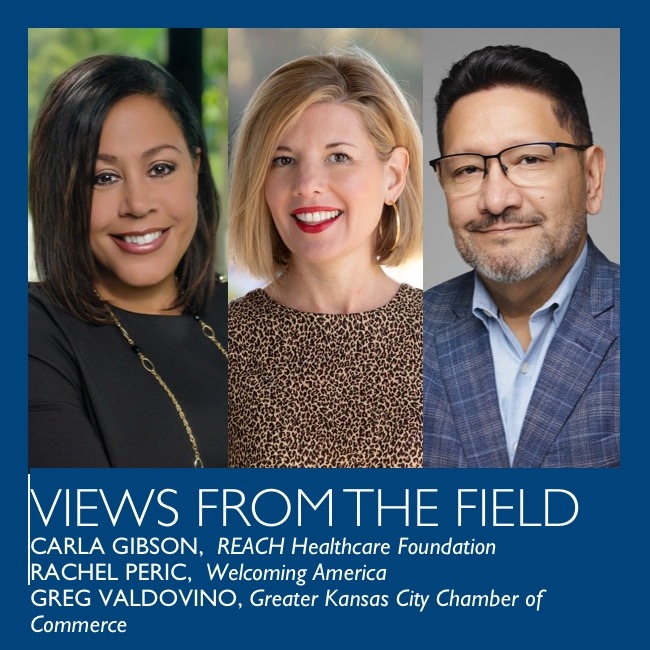
Welcoming and Belonging: Drivers for Equity and Growth
More than a decade ago, leadership at REACH Healthcare Foundation began exploring how a community would function if it truly embraced welcoming and belonging for immigrant and refugee populations. The mid-sized Midwest philanthropic foundation sought to invest in a plan to reveal, then address, the systemic barriers impacting Kansas City’s efforts of inclusion for all members of the community.

Healing Takes Practice: Reaching People Is Only the Beginning
Violence is increasingly understood as a public health problem. That shift has changed the way communities respond—moving the conversation beyond policing and criminal justice and toward prevention, intervention, and the conditions that put people at risk. But treating violence as a health problem also requires us to reckon with trauma.
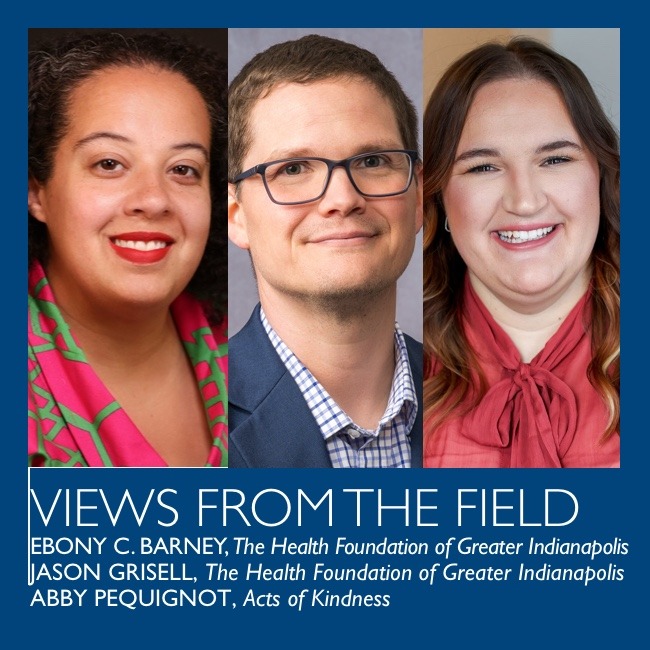
We Didn’t Stop: Leading with Purpose When the System Stepped Back
The notice came the way these things now tend to come: abruptly, in writing, and without a transition plan. In April 2025, Public Health AmeriCorps programs were terminated nationally alongside about 900 other AmeriCorps programs. Funding halted. AmeriCorps service members who had built their careers and households around a year of community health service were left waiting for answers no one could give them. Organizations across the country scrambled.
GIH Health Policy Update Newsletter
The Latest
An Exclusive Resource for Funding Partners
The Health Policy Update is a newsletter produced in collaboration with Leavitt Partners and Trust for America’s Health. Drawing on GIH’s policy priorities outlined in our policy agenda and our strategic objective of increasing our policy and advocacy presence, the Health Policy Update provides GIH Funding Partners with a range of federal health policy news.
The Health Care Neighborhood: Philanthropy’s Role in Aging Well
Many primary care physicians do not feel confident in their capacity to meet their patients’ social needs, and they believe this impedes their ability to provide quality care. Despite evidence that social determinants such as education, employment, and economics can influence health outcomes, a service coordination gap remains.
All Politics are Local: Preemption and Public Health
To accelerate progress toward healthier communities, one of the most important things foundations can do is protect local control by helping their grantees, policymakers, public health advocates and the general public “get smart” about preemption.
Youth Mental Health First Aid: Implementation Lessons from Pennsylvania
In the fall of 2013, the Brandywine Health Foundation and key area leaders learned from the Pennsylvania Youth Survey about the high rates of depression among Coatesville-area youth compared with youth in the remainder of Chester County and the state as a whole.
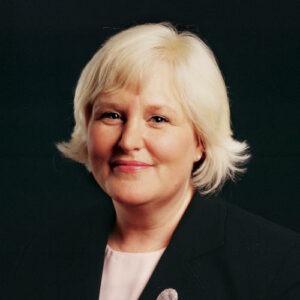
Amy Berman to Be Honored with Terrance Keenan Award
Amy Berman, Senior Program Officer at The John A. Hartford Foundation, will receive Grantmakers In Health’s 2016 Terrance Keenan Leadership Award in Health Philanthropy. The award pays tribute to health grantmakers whose work is distinguished by leadership, innovation, and outstanding achievement.
GIH Announces New Board Members
Ned Calonge, Nichole Maher, Elena Marks, Patricia Mathews, Donald Moulds, and David Rousseau have been elected to the GIH board of directors. Their terms begin immediately after the GIH annual conference in March.