
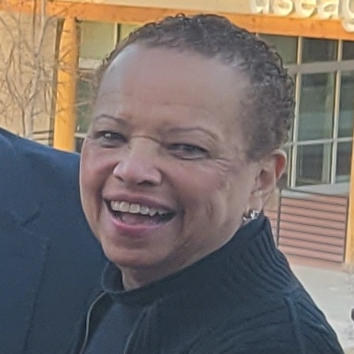
Remembering Patricia Mathews, Founding President and CEO of Northern Virginia Health Foundation
Grantmakers In Health (GIH) is saddened to learn of the recent passing of Patricia Mathews, a longtime fixture in health philanthropy and a former member of the GIH board of directors. Please join us in celebrating Patricia Mathews’ memory, as well as her many contributions to the field of health philanthropy and GIH.


Funders Together for Housing Justice: March 2026
A new publication has been released: Caring Collectively: How Health Funders Can Step into the Movement for Housing Justice to End Homelessness. It is designed to support how health-focused foundations can engage in housing justice work in ways that align with their existing priorities.
GIH Health Policy Update Newsletter
The Latest
An Exclusive Resource for Funding Partners
The Health Policy Update is a newsletter produced in collaboration with Leavitt Partnersi and Trust for America’s Health. Drawing on GIH’s policy priorities outlined in our policy agenda and our strategic objective of increasing our policy and advocacy presence, the Health Policy Update provides GIH Funding Partners with a range of federal health policy news.

Drew Altman Named 2011 Terrance Keenan Award Winner
Grantmakers In Health is pleased to announce that Drew E. Altman, Ph.D., president and CEO of The Henry J. Kaiser Family Foundation, has been named the 2011 recipient of The Terrance Keenan Leadership Award in Health Philanthropy.
GIH Announces New Board Members
Grantmakers In Health is pleased to announce the addition of Sarah Iselin, Eugene Lewit, Robin Mockenhaupt, and Steve Roling to its board of directors. Their board terms begin after the GIH Annual Meeting on Health Philanthropy, March 2-4, 2011.
Giving Voice: The Power of Grassroots Advocacy in Shaping Public Policy
Within advocacy work, there exists a wide spectrum of strategies that can be employed to change or shape public policy. Yet, too often, nonprofit health organizations tend to limit themselves to a narrow range of strategies that typically includes education, policy/data analysis, and limited legislative advocacy. While these strategies are important to public policy work, they may not be enough to influence policymakers in today’s increasingly special interest and ideological-driven political system.
Lights, Camera, Take Action: Spotlighting Public Health for the Next Generation
What do zombies, “Salad Man,” and Academy Award-nominated director Gus Van Sant have in common? They have all played a role in Northwest Health Foundation’s efforts to bring the importance of a fully functioning public health system into the hearts and minds of the people – especially the youth – of Oregon.
The Role of Philanthropy in Implementing Federal Health Reform
In March 2010 President Obama signed both the Patient Protection and Affordable Care Act and the Health Care and Education Reconciliation Act into law. These two laws will dramatically affect the health insurance system and the delivery of care in America.