
Health-Related Executive Orders and Presidential Memoranda
This Grantmakers In Health policy resource summarizes health-related executive orders and presidential memoranda issued since 2015, highlighting implications for health funders. It tracks directives on behavioral health, Medicaid, prescription drugs, federal grantmaking, DEI, gender-affirming care, child welfare, vaccines, and related litigation affecting implementation.
August 2026 Executive Order on Childhood Vaccines: Overview, Implications, and Stakeholder Reactions
This Grantmakers In Health policy resource provides an overview of the August 2026 executive order on childhood vaccines, including the restructuring of the federal immunization schedule, the directive to split the MMR vaccine, implications for insurance coverage, family costs, and state exemption laws, and reactions from stakeholders.
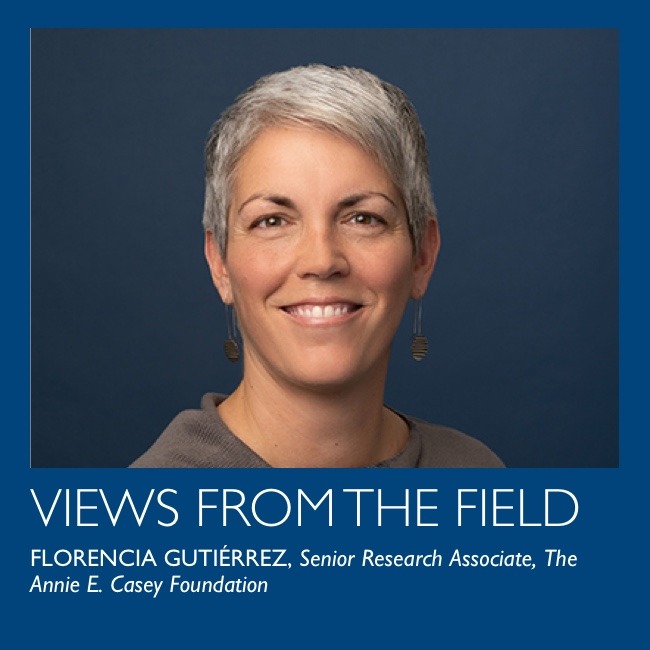
Beyond the Rankings: What Four Decades of KIDS COUNT Have Taught Me About Why Data Matter
For more than three decades, through the Annie E. Casey Foundation’s KIDS COUNT® project, decisionmakers and communities have had access to reliable national, state, and local data to improve outcomes for all children, young people, and families in this country. KIDS COUNT comprises the foundation’s national KIDS COUNT publications—the annual KIDS COUNT Data Book and periodic reports such as Race for Results; the KIDS COUNT Data Center, a resource for year-round national, state, and local data; and the KIDS COUNT Network of state-based partner organizations that help policymakers, advocates, journalists, and community leaders understand and use data to make informed decisions.
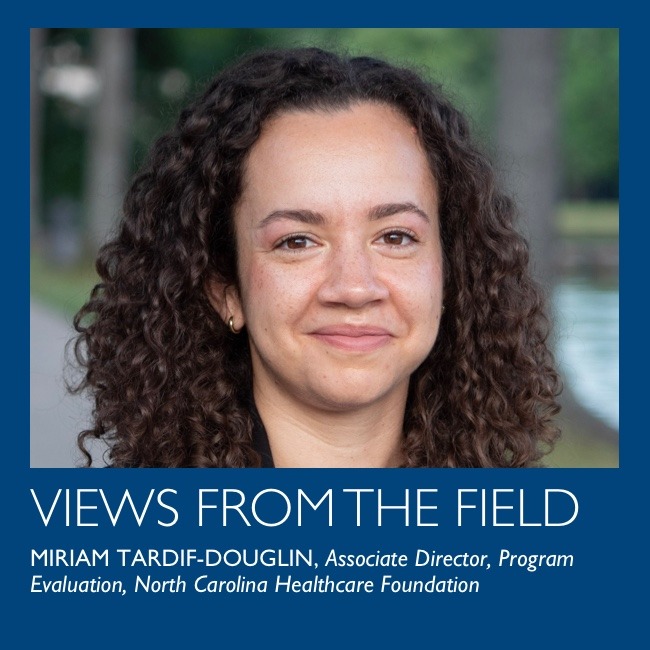
Opioid Use Disorder in Pregnancy: Countering Bias and Promoting Care
Most pregnancy-related deaths in North Carolina are preventable. Yet mental health conditions, including overdose and suicide, remain the leading cause of pregnancy-related death. For health care leaders, that reality demands a closer look at how we identify, treat, and support pregnant and postpartum patients with opioid use disorder.
GIH Health Policy Update Newsletter
An Exclusive Resource for Funding Partners
The Health Policy Update is a newsletter produced in collaboration with Leavitt Partners and Trust for America’s Health. Drawing on GIH’s policy priorities outlined in our policy agenda and our strategic objective of increasing our policy and advocacy presence, the Health Policy Update provides GIH Funding Partners with a range of federal health policy news.
Marin Community Foundation: October 2024
Episcopal Health Foundation’s (EHF) annual poll shows continuing health care affordability and access crisis in Texas. EHF’s poll found that 64 percent of Texans said they skipped or postponed some sort of health care because of the cost. That includes things like check-ups, treatments, tests, filling prescriptions, and dental care. That percentage is slightly down from the 68 percent who said they skipped care last year – the highest percentage in the six-year history of EHF’s poll.

Illinois Children’s Healthcare Foundation’s Persistent Journey toward Equity
Since 2019, the Illinois Children’s Healthcare Foundation (ILCHF) has embarked upon a journey of perspective transformation—challenging ourselves to know, think, and believe differently so we will decide, engage, and act more equitably. Through consistent commitment and action, our Board of Directors, leadership, and staff have moved equity, diversity, and inclusion (EDI) work beyond “box checking” activities, institutionalizing long-term, individual, organizational, community, and cultural changes.

Supporting Community Health Workers to Achieve Their Full Potential: What Role Can Philanthropy Play?
Community Health Workers (CHWs)—frontline public health professionals who have a unique and trusted relationship with the communities they serve—have proven their ability to help create just, equitable, and thriving communities. As a CHW for over a decade and a CHW ally for over 35 years, we have never witnessed a time of greater interest and investment in the CHW workforce. Amidst a rapidly changing CHW funding landscape, the philanthropic community has an important role to play in assuring that CHWs are able to make an optimum contribution to communities and to the health system.

Ending Girls’ Incarceration in California is Possible When We Listen to Young People and Invest in Their Healing
The United States leads the world in incarceration rates of women and girls—we account for only 4 percent of the world’s population of women and girls but 30 percent of women held in prison and jails. Many girls are incarcerated not because they pose a threat to the public but because of concerns for their own safety in the community—such as abusive home environments. California incarcerates more girls than any state other than Texas and can lead the way on ending girls’ incarceration nationwide.

Safeguarding Health Care Access for Transgender Communities
For decades, LGBTQ+ Americans have been at the forefront of powerful movements championing the freedom for all individuals to be themselves and pursue their dreams. This grassroots organizing has led to unprecedented public support for LGBTQ+ equality and increased visibility for transgender people within our society. However, despite growing acceptance, a dangerous political backlash threatens the progress made in securing health care access for transgender communities.

Health and Social Care Integration: Five Years of Progress on a National Academies Report
Historically, social determinants of health (SDOH) have not been addressed in health care visits. However, whether someone has a safe place to live or healthy food to eat directly impacts health. Other SDOH outlined by the Office of Disease Prevention and Health Promotion include economic stability, education access and quality, neighborhood and build environment, social and community context, and healthcare access and quality. It is critical that health care providers understand individuals’ experience of these domains; without this, the care provided is not patient-centered and does not fully address health and well-being.